

Magnesium for Cramps: How to Take It and Where to Find It
Magnesium for muscle cramps is a useful resource that we can value to prevent and alleviate them, if we usually suffer them. Below we explain the reasons and in which foods it is found to take it naturally. Or also through supplements.
What are the properties of magnesium?
By participating in more than 300 biochemical processes in our body, we are talking about an important nutrient for health. In relation to the subject that we address in this text, it contributes to all of the following:
- Normal functioning of muscles, as it regulates contractions and relaxations, by maintaining the balance in calcium and potassium levels.
- Decrease tiredness and muscle fatigue, since during physical exertion it helps our muscles to continue working efficiently.
- Keep bones strong or in good condition. So taking magnesium for cramps benefits our joints as well. And, consequently, it prevents their poor condition from affecting the muscular level.
- Synthesize the proteins we have ingested, which are necessary for the construction, repair and regeneration of muscles.

What is the best magnesium for cramps?
Magnesium chloride is the most effective among the different types of this mineral. The explanation lies in the fact that it enhances the interactions of the nervous system with the muscular system. This enables the muscles to perform their movements smoothly, reducing involuntary contractions without subsequent relaxation. This is what we call cramp, which is usually an acute and temporary phenomenon.
It also prevents electrolyte imbalance, which occurs in situations of intense sweating(during exercise, for example). In muscle recovery after such physical activity, it reduces tension and thus decreases the likelihood of ailments.
Just with this type of magnesium for cramps is formulated Silicium G7 Sport Gel, which facilitates a topical and direct application on the affected area.
How do you take magnesium for cramps?
Through numerous foods that contain a high percentage of this mineral organically. We can add to our healthy diet:
- Nuts
- Lentils, chickpeas and soybeans.
- Vegetables, in particular green leafy vegetables
- Bananas, avocados, melon and kiwi fruit
- Quinoa, brown rice and oatmeal
- Oily fish such as salmon or mackerel
However, it is usually difficult to achieve the optimal level of the nutrient from food alone. That is why supplements are available. Both Silicium G7 Activ +, with magnesium carbonate, and Silicium G7 Orgono Articomplex, with magnesium glutonate , come in capsules. The latter is from the sports range, like Silicium G7 Sport Gel, but can be used to take care of muscles, even if you do not exercise.
Other tips for good muscle recovery
Apart from magnesium for cramps, we recommend following some useful tips for optimal muscle recovery:
- Hydration, because it allows us to recover the fluids lost during sports practice. In fact, we should drink enough water throughout the day to maintain electrolyte balance.
- Application of heat or cold, by means of a hot seed bag, for example, on our tense muscles. Or ice on those that hurt after suffering the cramp to relieve.
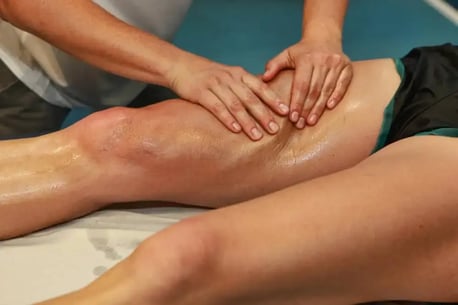
- Gentle stretching and massaging of the muscles to reduce tension and even improve blood circulation. Also walking or swimming is good for it.
- Consumption of other minerals such as potassium or calcium to avoid deficiency. In addition to carbohydrates, which help muscle repair and replenish energy, and proteins to also rebuild muscles.
- Adequate rest. It is essential to sleep between seven and nine hours at night for the body to repair damaged tissues.
In short, you know how you can take magnesium for cramps through food and supplementation. In addition to what guidelines to follow to benefit the recovery of your muscles, which is very important to stay healthy.
