
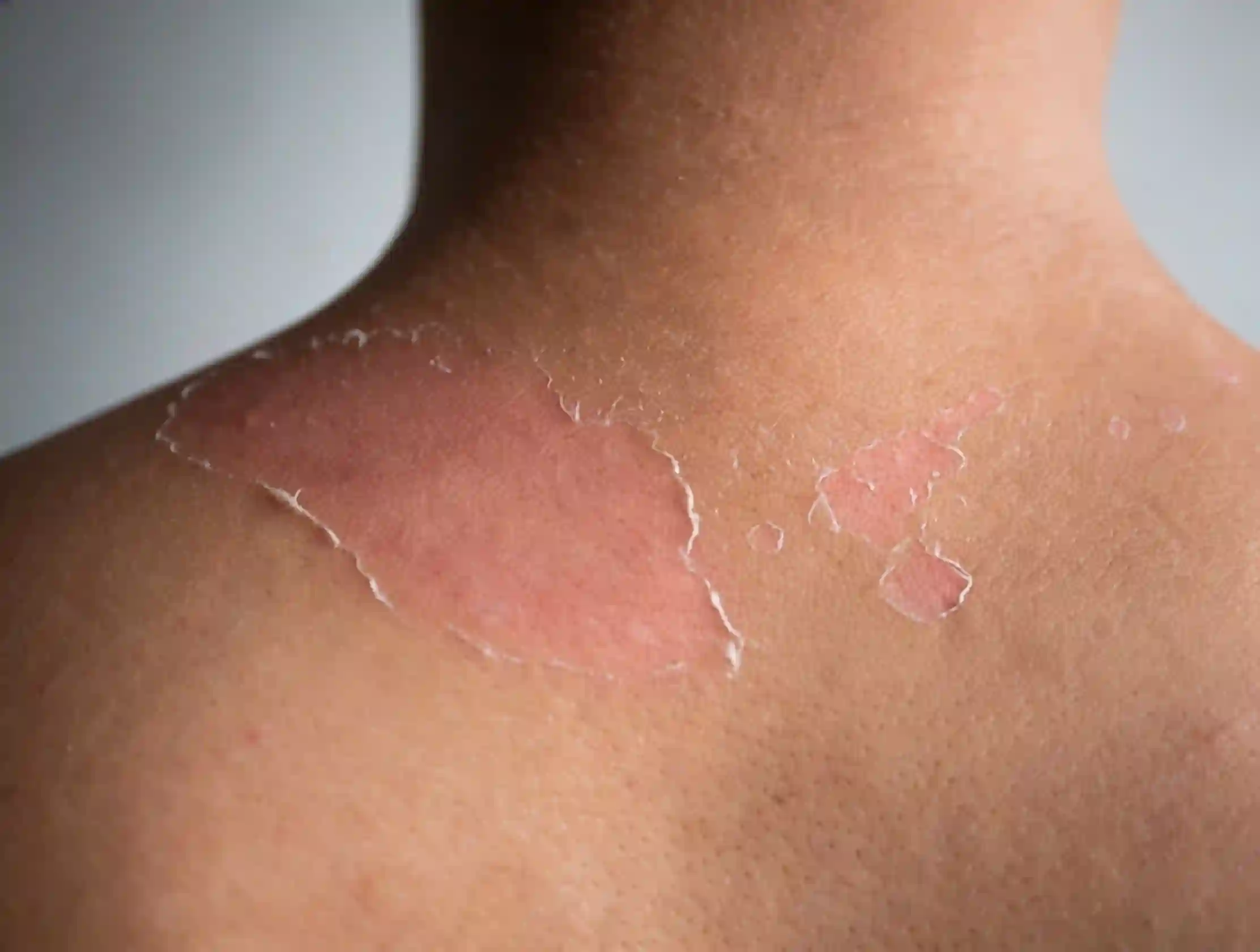
Sunburned Skin: How to Care for Your Skin
The skin is our greatest protective shield, as it covers our body and acts as a barrier against a multitude of external aggressions, including solar radiation.
Although it is necessary and healthy to expose ourselves to the sun, we must do so in the right measure and in the right way, since solar radiation can cause the loss of the epidermis and give rise to a skin peeled by the sun.
This situation has a series of immediate and long-term consequences that we should be aware of. These and other important aspects of skin protection are discussed below.
Sun-peeling skin and its consequences
Sun peeling skin is indicative of a sunburn.
The loss of the epidermis (the outermost layer that suffers from sun peeling) occurs because the skin has not been well protected against solar radiation or when it has not been properly moisturized after having been in the sun for a long time.
In other words, when the skin peels, it means that exposure to the sun has been so intense that the affected skin cells have suffered irreversible damage that leads to their desquamation.
It is worth mentioning that there are a number of discomforts associated with sun peeling skin, such as itching and stinging. These symptoms may last for several days and their intensity will depend on the severity of the damage suffered from sun exposure.
Is sun peeling skin bad?
Skin peeling is a physiological process that, under normal conditions, allows the skin to regenerate.
However, when it occurs in an accelerated or drastic way, it is a symptom that the skin has suffered an important aggression, such as a sunburn.
In these cases, desquamation acts as a mechanism for the skin to shed damaged cells.
Although this ability to remove dead or damaged cells and replace them with new ones may sound reassuring, in reality we should not be fooled into trusting ourselves: damage from prolonged and intense exposure to solar radiation is cumulative, resulting in permanent alterations that add to previous and future damage (if any), even though the skin may peel and regenerate.
This accumulation of damage and alterations favors photoaging or premature aging of the skin, the appearance of spots, wrinkles and even serious problems such as skin cancer.
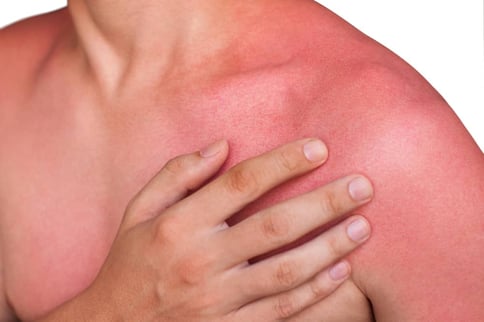
In short, once the burn occurs and the skin appears peeled by the sun, it is no longer possible to remedy the damage suffered. However, some measures can be taken to avoid discomfort and ensure that the skin is kept in the best possible condition and to be aware of how to prevent skin peeling in the future.
What to do when the skin is peeling from the sun?
Once we have suffered a sunburn and the skin begins to peel we can implement several measures to minimize the discomfort and promote a speedy recovery.
Some of these measures are:
- Apply anti-inflammatory cream if the area is badly affected. In order not to cause further damage to the skin, it is advisable to opt for creams of natural origin such as, for example, Aloe Vera. It is a vegetable component that works very well thanks to its healing, anti-inflammatory and emollient properties. Alternatively, you can use coconut oil, which also has anti-inflammatory and antibacterial properties, thus helping to prevent infections in the sun-damaged area.
- Moisturize the skin deeply so that it recovers properly and as quickly as possible.
- Do not use products that may be irritating, such as perfumes or colognes, on damaged and therefore particularly sensitive skin.
- Do not expose yourself to the sun until the skin is completely recovered.
- Avoid scratching or picking at sun-peeledskin to prevent further damage.
- If your skin is hot from excessive exposure, put aftersun or natural moisturizer in the refrigerator. This will provide a cooling and soothing effect when applied.
- If, in addition to peeling from the sun, the skin shows marked redness or blisters, it is important to see a doctor for an evaluation.
How can we prevent skin peeling in the sun?
Whether it has never happened to us or we have had sun peeling skin before, we must prevent it from happening to us.
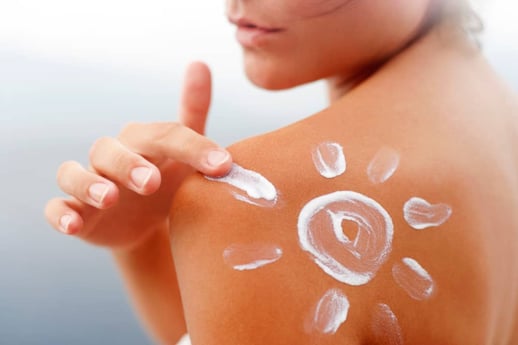
The first step to achieve this is to use a sunscreen suitable for our skin type or phototype, preferably always choosing a high or very high protection factor (SPF 50 or 50+).
To prevent the skin from peeling, it is advisable to use aftersun to soothe and relieve the skin after intensive sun exposure.
However, it will be important to use natural moisturizers frequently, as dry skin is more prone to peeling. Therefore, the goal should be to always keep the skin moisturized and in good condition.
In addition, to achieve and maintain an adequate general state of hydration, it will be essential to drink plenty of water, especially in hot weather and situations of increased sweating, such as physical exercise.
Other important aspects to avoid having skin peeled by the sun and suffering its immediate and future consequences are:
- Avoid the hours when solar radiation is most intense and harmful. This means avoiding exposure to direct sunlight between 12 noon and 16:00 hours, approximately.
- Avoid prolonged exposure to the sun. For example, avoid falling asleep in the sun for hours.
- Sunbathe gradually after the winter or after long periods without any or very little exposure. This will allow your skin to gradually get used to the sun and give it time to produce melanin, the pigment that protects it from solar radiation (as well as turning your skin brown).
- Eat a healthy and balanced diet that provides you with the required amounts of vitamin C and E, to protect the skin thanks to their antioxidant action.
Reinforce your skin's hydration.
In addition to all of the above, you can also prevent sun-peeling skin by reinforcing skin hydration with a food supplement based on organic silicon.
Organic silicon has a protective effect on the skin and acts as a supporting element, thus helping the skin to remain smooth and firm. This is important, as one of the consequences of solar radiation is that it promotes sagging and loss of skin elasticity.
But silicon can not only counteract these harmful effects of excessive sun exposure, it can also contribute to the recovery of skin peeled by the sun thanks to its ability to accelerate the healing of damaged skin.
It is worth mentioning that not only can this indispensable trace element be taken orally, but it is also possible to apply it directly to the skin. For this purpose, we should opt for an organic silicon product in gel form, such as Silicium G7 Gel, which will help us to moisturize and promote skin regeneration.
After suffering a sunburn, once the redness and inflammation have disappeared, we can apply the gel to accelerate the recovery and healing of the tissues and, in addition, prevent the appearance of blemishes.
Another important element to keep skin in good condition against solar radiation is selenium, which plays a protective role against oxidative damage, among other benefits.
If your eating habits are not optimal you can opt for a supplement that combines, for example, silicon, selenium and vitamin C; to ensure that you cover your nutritional needs for these elements. This combination can be found in the product G7 Activ+, ideal for promoting the production of natural collagen.
Don't forget that visible and non-visible damage from solar radiation is cumulative. So the better you take care of your skin, the fewer problems you will suffer in the present and in the future.
