
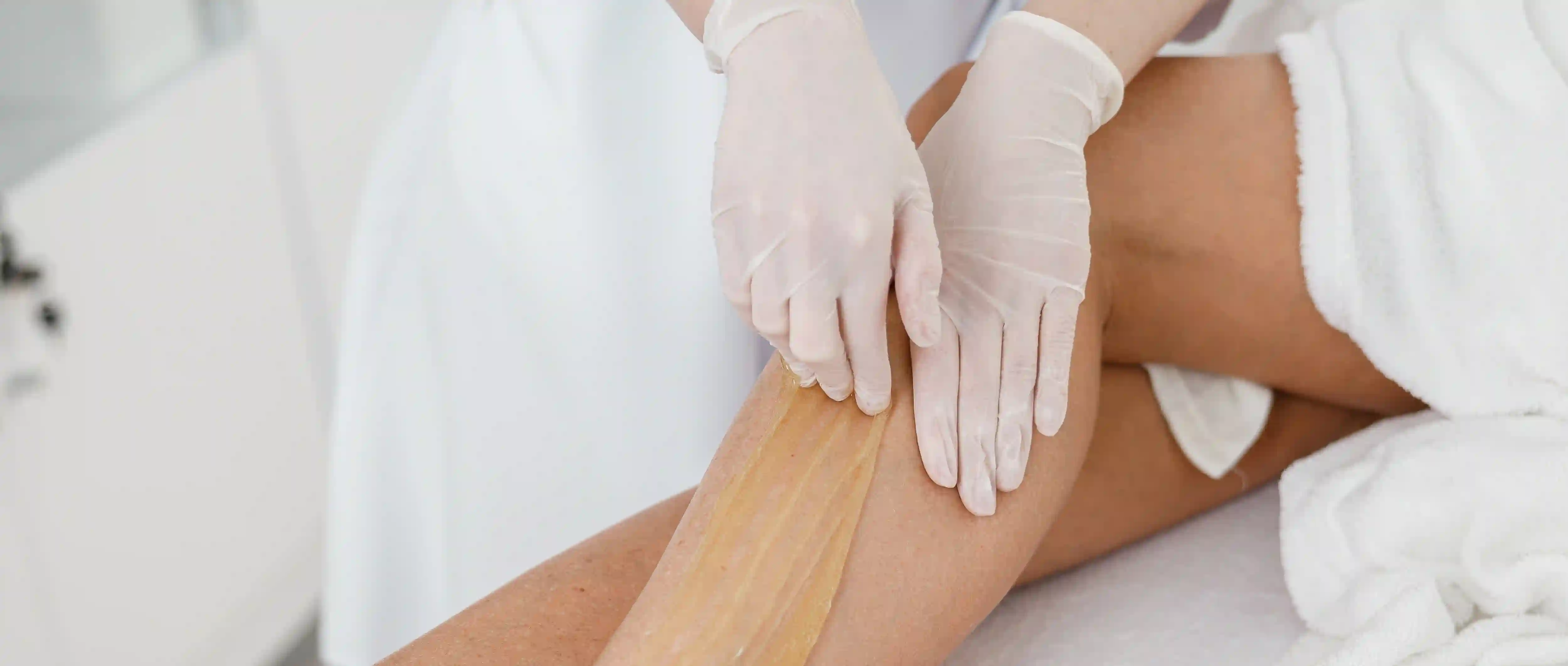
How to Treat a Rash After Waxing: 6 Effective Tips
Depilation is a process in which hair is removed through different methods such as waxing, razor or laser, producing a rash and rash on the skin, accompanied by redness and itching.
In this article we are going to talk about how to remove the rash after hair removal. We'll explain why it occurs, how long it can last and give you some key tips on how to remove the rash after waxing and get your skin looking smooth and irritation-free again.
Why does a rash appear after epilation?
Folliculitis
A very common reaction after epilation is folliculitis. If the hair follicle is injured or damaged during epilation, it becomes vulnerable to bacteria such as staphylococci. These bacteria infect the hair follicles and lead to folliculitis. It has an appearance similar to a rash or rash, pimples and slight bumps appear on the skin. Folliculitis is caused by inflammation that usually subsides in a few days on its own.
Ingrown or ingrown hairs
Occurs when a hair that was previously removed grows back and curves into the skin. Ingrown hairs look similar to acne. They appear as small bumps or abscesses that are warm to the touch.
Sometimes the hair can be seen under the skin. It occurs most often in people who have coarse or curly hair. Bumps, small cysts or pus-filled lumps appear days after epilation.
Contact dermatitis
If you have sensitive skin, the wax used, or even the chemicals present in it, the blades of the razor, or the laser, can cause a rash after epilation, as a result of contact dermatitis. You should pay attention to the soaps and detergents you use, as perfumes and other ingredients can also be a contributing factor.
If the rash occurs due to contact dermatitis, it can be quite itchy and accompanied by symptoms such as swelling, redness, pain to the touch and even a burning or stinging sensation on the skin. This reaction shares mechanisms with other forms of skin damage by external agents - in fact, skin subjected to frequent irritant processes needs the same kind of care as skin peeled by the sun: recovery and step-by-step care, since in both cases the epidermal barrier is compromised and needs to be restored with the same active ingredients.
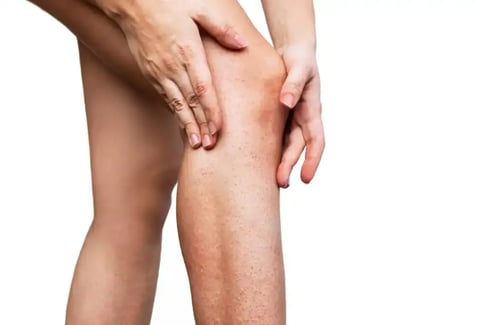
How to cure folliculitis after depilation?
If after waxing you notice red pimples, itching or even some pus, you are probably dealing with folliculitis. It's a common reaction, especially when the hair is pulled out by the root or the skin is easily irritated. Luckily, you can treat it at home with the following care:
- Clean the area twice a day with a mild antibacterial soap, ideally with tea tree or benzoyl peroxide, and use clean towels that you don't share.
- Apply warm compresses if there is inflammation, or coldcompresses if itching or stinging is more bothersome.
- Avoid touching, scratching or squeezing the pimples, even if they bother you, so as not to aggravate the irritation.
- Soothe the skin with natural products such as aloe vera, calendula or centella asiatica, which help reduce redness.
- Use a mild antibacterial cream if there are mild signs of infection, such as persistent redness or small pus spots.
- Moisturize the skin well with light formulas rich in ingredients such as hyaluronic acid, urea or squalane.
- Gently exfoliate once or twice a week, but never just before waxing.
- Wear loose clothing after epilation and change the razor frequently, always shaving in the direction of hair growth.
With this care, the skin usually improves within a few days and becomes smooth and free of discomfort.
How to prevent rashes and rashes from epilation
Avoiding post-waxing rashes is not a matter of luck, but of following a few basic steps before, during and after the process. Here are some practical tips to take care of your skin and keep it irritation-free:
- Choose the right hair removal method according to your skin type, especially if it is sensitive. Threading or laser hair removal is usually more respectful than hot waxing or continuous shaving.
- Gently exfoliate the skin the day before waxing to remove dead skin cells and reduce the risk of ingrown hairs.
- Moisturize the area before waxing, especially if you are going to use a razor or wax, because dry skin is more easily irritated.
- Shave after a hot shower, when the hair is softer and the pores are more open.
- Use sharp blades and shave in the direction of hair growth to reduce the risk of cuts and irritation.
- Apply soothing, alcohol-free products afterwards, such as aloe vera or lotions with organic silicon.
- Avoid tight clothing, sun and heat right after waxing to avoid aggravating sensitivity.
- Respect the time between sessions according to the method, and do not epilate if you have damaged skin.
- Consult a dermatologist if you have frequent or intense reactions, and keep your skin moisturized daily, not only after waxing.
Incorporating these habits into your routine is the best way to keep your skin cared for and prevent hair removal from becoming a problem. If you want an in-depth understanding of how the skin barrier works and what factors impair it beyond hair removal, the complete guide to skin health explains the mechanisms of epidermal damage and the most evidence-based care strategies.
How long does hair removal rash last?
Generally, the rash usually clears up within 24-48 hours in the simplest cases.
When there is more inflammation of the follicle as a result of hair removal, as in folliculitis, it will take longer for it to disappear.
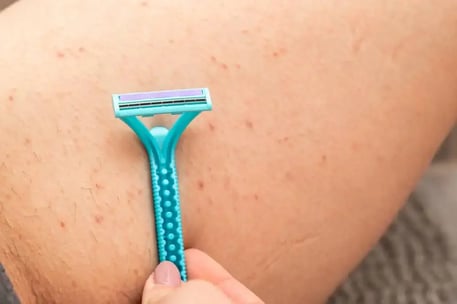
How to cure a hair removal rash?
If you are wondering how to remove the rash after hair removal, there are several methods you can apply to relieve the irritation, such as cleansing and exfoliation before hair removal, the application of cold compresses after hair removal, moisturizing with creams or non-greasy natural oils, among others.
Depending on the type of hair removal, some methods will be more effective than others. For example, waxing leaves the pore completely open after the pull, so be careful to press lightly to try to close the pore and reduce the possibility of infection.
Below, we are going to share a list of effective tips to end the rash after waxing.
Quick tips to reduce the rash and inflammation
- Cold compresses: applying for 15-30 minutes can significantly soothe and reduce the rash and even its appearance.
- Cleaning: use mild soap, with natural ingredients and warm water. Dry very well.
- Moisturizing after waxing: it should be a light and natural lotion. An example of this is Silicium G7 Soriaskin, containing organic silicon, horsetail and echinacea, ideal for combating skin problems, for irritated and itchy skin, without adding grease. Another recommended option is the use of aloe vera gel, thanks to its soothing and moisturizing properties.
- Hot compress: recommended in case of ingrown hair. The dilation of the pore will facilitate the exit of the hair.
- Scrub: exfoliate the affected skin with a scrub made from natural ingredients and tea tree oil or other antibacterial essential oils such as geranium.
- Witch hazel or apple cider vinegar: apply with an impregnated cotton pad 3 times a day on the affected area. We recommend the use of Silicium G7 Hemosil, a lotion with soothing and softening properties thanks to Hamamelis that minimizes irritation, while helping skin regeneration due to its organic silicon content.
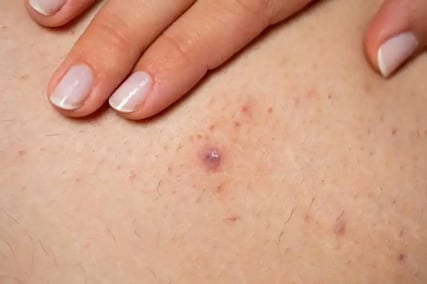
It is possible to remove rashes after waxing
After waxing, it is very common to develop a rash. But the important thing is that there are solutions. How to remove the rash after waxing? How you handle it is very important, especially if it doesn't resolve on its own. If you take the precautions described above, you won't have to worry about the rash coming back.
Taking care of your skin both before and after a hair removal session, especially the more aggressive hair removal methods, will keep your skin in top condition and prevent the inflammation and irritation that no one wants to deal with.
