
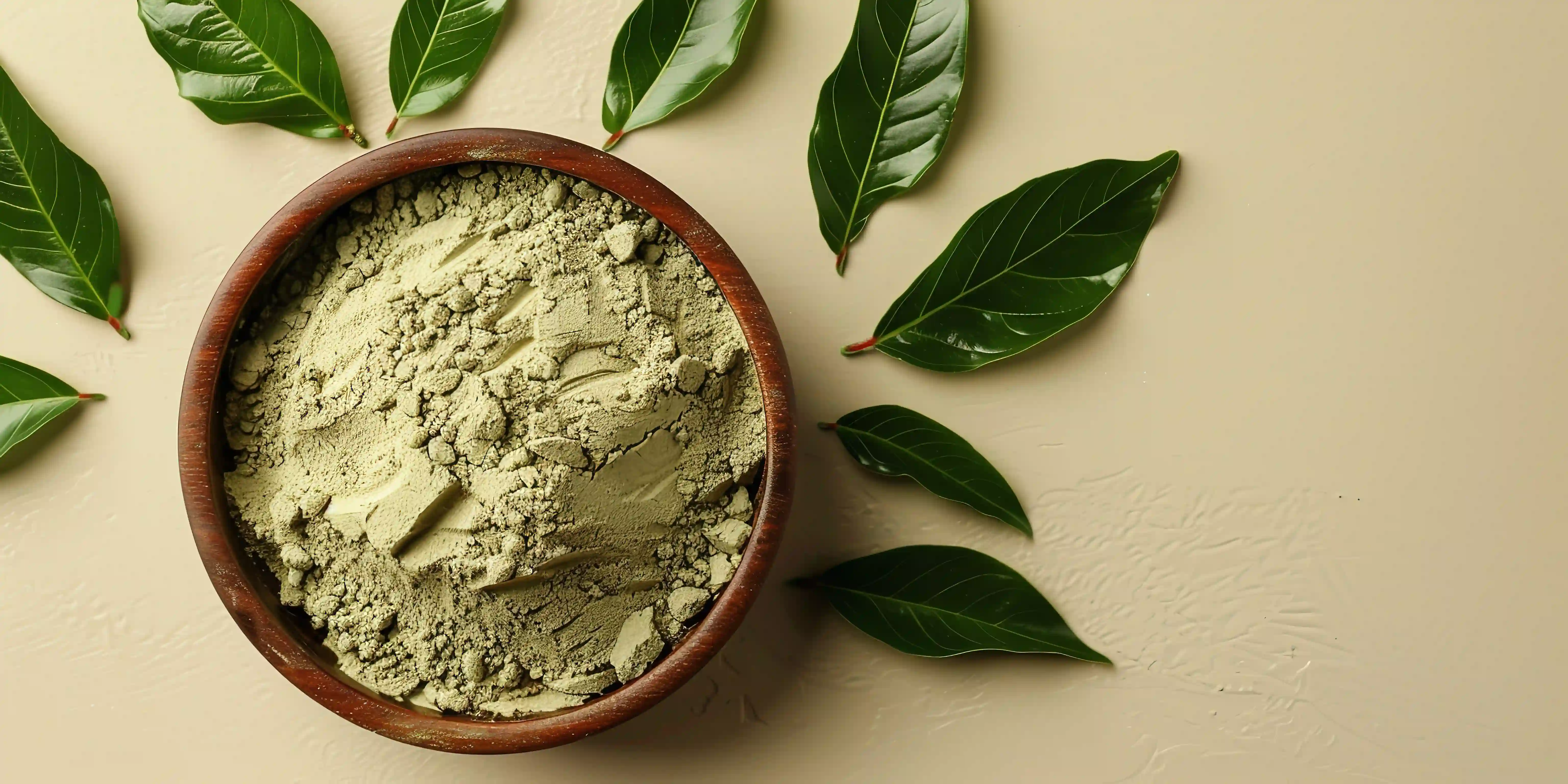
Anti-inflammatory green clay: learn how to use it for minor injuries
Green clay is known for its anti-inflammatory, detoxifying and balancing power. Its origin is in the decomposition of rocks such as granite, although it is also rich in trace elements such as silicon, a very important mineral for joint health and tissue regeneration. The main function of this mineral is to generate collagen. This protein holds together connective tissues - skin, muscles, ligaments... - so if you have an injury, it will help you heal.
In addition to a therapeutic use, green clay is used, in turn, as a versatile cosmetic, especially suitable for oily and acne-prone skin.
Anti-inflammatory green clay is used to reduce inflammation from bumps and bruises. It is especially recommended for sprains. To treat them, it is usually used in thick plasters that are left to act for hours. Of course, it is a complementary treatment to the guidelines indicated by the doctor and physiotherapist, and always to treat minor injuries.
In this article we tell you how to use anti-inflammatory green clay for minor injuries and how it can be part of your recovery routine after an injury; or simply as a wellness ritual.
What is anti-inflammatory green clay?
Green clay is one of the most commonly used clays in cosmetics and natural medicine. It is made from the powder of sedimentary rocks that have crystallized, such as granite, found in riverbeds or areas of water entrainment. Chemically, it is considered to be composed of hydrated alumina silicate and mineral oxides and trace elements such as iron, silicon, magnesium, sodium, potassium, zinc, etc.
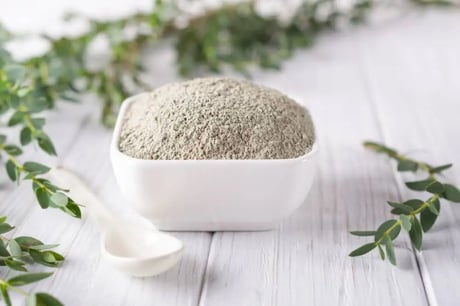
The Egyptians used it to treat inflammation and rheumatism. In ancient Greece, Hippocrates indicated it to relieve pain. It was also used by Romans and Arabs during antiquity. Nowadays, we are more familiar with green clay for cosmetic use, although its therapeutic properties can also help to improve some minor injuries.
Properties of green clay
Given its rich composition in minerals, such as silicon, the anti-inflammatory green clay will captivate you with its multiple benefits:
- Anti-inflammatory
- Detoxifying
- Balancing
- Remineralizing
- Healing
- Stimulant
- Antibacterial
- Sedative
Uses of green clay
Anti-inflammatory green clay is very versatile. We recommend you to always have some preparation of this clay in your medicine cabinet -you can also buy it in powder form and moisturize it yourself-, so you can use it in any of these cases:
- To heal small wounds and cuts.
- To soothe pain in small burns and prevent blistering.
- Prepare a clay compress to relieve headache.
- Diminish acne with clay masks.
- Relieve skin redness after sun exposure.
- Soothe the skin after an insect bite.
- Reduce stress with a clay bath. Dissolve 3 or 4 handfuls of clay in the bath water and stay submerged for 20 minutes. Stir from time to time to keep the clay in suspension so that it does not settle to the bottom.
- Eliminate foot odor. Use it like talcum powder on your shoes.
- Relieve pain and discomfort associated with arthritis.
- Improve muscle injuries and sprains.
- Aid recovery from sprains.
How to use anti-inflammatory green clay to improve minor injuries
To complement the treatment that the doctor and physiotherapist have indicated for a minor injury -such as a sprain- you can use anti-inflammatory green clay. To do this, prepare a poultice of clay and purified water to which you can add extracts of other substances such as: horsetail, which reduces inflammation; arnica, which is also anti-inflammatory, and burdock, which with its healing power helps in the processes of fiber rupture (both muscular and ligamentous).
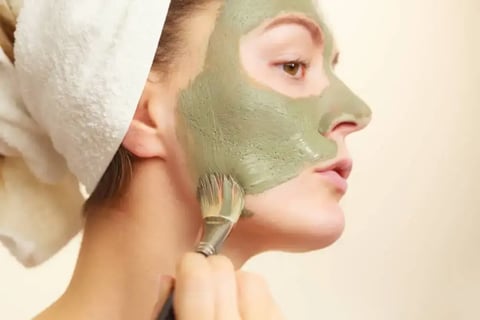
Once the mixture is made, place a generous amount on the area to be treated and cover it with paper. Then just bandage the area with cling film. You can keep the poultice for a few hours. You can also leave the mixture without bandaging and remove it with warm water when the clay begins to dry. Do not reuse the clay for another poultice, as the clay removes impurities from the body and could be reabsorbed. To avoid irritating the skin in the area, do not apply the mask for more than 5 days in a row.
Even if you don't have an injury, you can still do plasters after an intense exercise session to recover muscles and relieve overuse injuries. Also try a bath or a simple massage replacing the oil with green clay.
Recommendations for treating minor injuries or recovering after intense exercise
- In case of injury, the first thing you should do is go to the doctor. A physician will assess your situation and the best way to cure the injury, either with physiotherapy or other therapies.
- It is always a good idea to mobilize the muscles and joints involved in the injury, albeit moderately. After exercise, remember to stretch.
- It is a good idea to include a supplement based on organic silicon in your routine. This micronutrient has the ability to remineralize and restructure the connective tissue - of the musculoskeletal system - that supports the body. It also has a neuroprotective effect by acting as an aluminum chelator. We recommend two types of products, one to enrich the green clay plasters and the other to benefit your whole body:
- Silicium G7 Sport Recovery Supplement is a silicon-based supplement that also supports collagen production from within. The silicon, when combined with the glycine in this product, has a greater effectiveness.
- Silicium G7 Sport Recovery Gel. This gel stimulates collagen production in a natural way thanks to silicon. The more collagen you produce, the faster the injury will heal. Apply the gel and massage before applying the anti-inflammatory green clay poultice.
- A healthy diet, rich in vitamins and minerals, exercise and adequate rest will help you maintain a strong body. This is the best way to keep injuries at bay. In case you are suffering from an injury, foods such as red fruits, broccoli, nuts, blue fish, mushrooms and beets, among many others, will also help you regenerate tissues from within.
As you can see, anti-inflammatory green clay can help you recover tissues damaged by exercise or complement the treatment to heal a sprain or other minor injury. In addition, if you combine these remedies with organic silicon and healthy lifestyle habits, the results will come sooner.
