
Essential Trace Elements: Their Role and How to Obtain Them Naturally
Have you heard about trace elements but are not sure how many they are or how to obtain them? This article is for you. We want to explain in a clear and simple way the basics about this concept.
We have already told you that there are many of them and that we usually obtain them through diet. However, it is convenient to know them and, especially, to identify their functions in order to strengthen our body in those moments when we need to help our body.
So, on this occasion we explain everything about trace elements, what they are, why they are important for the body and how to obtain them naturally.
Trace elements: what they are
Trace elements are mineral substances that are present in the human body in very small quantities. In fact, the Greek prefix oligo means 'small'. Precisely, the amount is so small that their presence in the body is less than 1 mg/kg body weight.
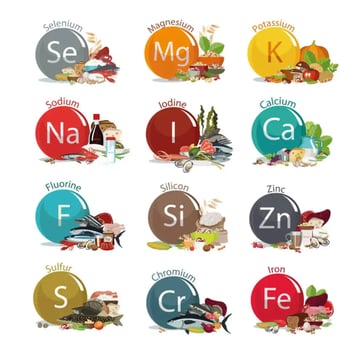
The trace elements that are essential for the body are: boron, chromium, cobalt, copper, fluorine, iron, manganese, molybdenum, nickel, selenium, silicon, vanadium, iodine and zinc. These are the so-called essential trace elements and, without them, the body cannot carry out its essential functions.
What are trace elements used for?
Our body cannot produce them, so it is essential that our diet provides us with the trace elements that are essential for the proper functioning of the human body.
Despite being present in such small quantities, trace elements are essential for good health and physical fitness. This is because they are involved in many vital functions for our body:
- Metabolic or enzymatic reactions.
- Proper functioning of the immune system.
- Strengthening of tissues, such as bones and teeth.
- Expression of certain hormonal signals.
Let's see how essential trace elements can help us:
- Chromium: involved in the metabolism of sugars, reinforcing the action of insulin and favoring the entry of glucose into the cells.
- Cobalt: essential component of vitamin B12, regulates the neurovegetative system and blood pressure.
- Copper: it intervenes in the synthesis and function of hemoglobin. It also stimulates the immune system.
- Tin: necessary for capillary growth and for several bioelectrical functions of the organism.
- Fluorine: helps to fix calcium in the bones, it is essential in the periods of growth and bone formation. It also takes care of teeth.
- Iron: it intervenes in the synthesis and function of hemoglobin.
- Lithium: acts on the nervous system and is useful in all kinds of heart conditions.
- Manganese: essential for bones and reproductive function. In addition, it has been proven that its supplementation improves the symptoms of allergies.
- Molybdenum: involved in the absorption of iron and in the processes of detoxification of nitro compounds.
- Nickel: it intervenes in the processes of growth, formation of blood cells and in the defense of the organism.
- Selenium: it is a very powerful antioxidant necessary for the proper functioning of muscles. It also protects the cardiovascular system.
- Silicon: essential for bones, skin, hair and nails. It is essential in the formation of the skeleton. The lack of this trace element causes the loss of elasticity of the skin and other tissues.
- Vanadium: increases and improves insulin-controlled mechanisms and increases the level of muscle glycogen.
- Iodine: essential for the proper functioning of the thyroid and thyroid hormones that regulate basal metabolism; that is, they are vital for growth and functions of other body systems.
- Zinc: it is involved in the functioning of certain hormones and growth processes; it also supports the immune system.
How to obtain trace elements naturally

Trace elements that are essential for the body are obtained in the diet.
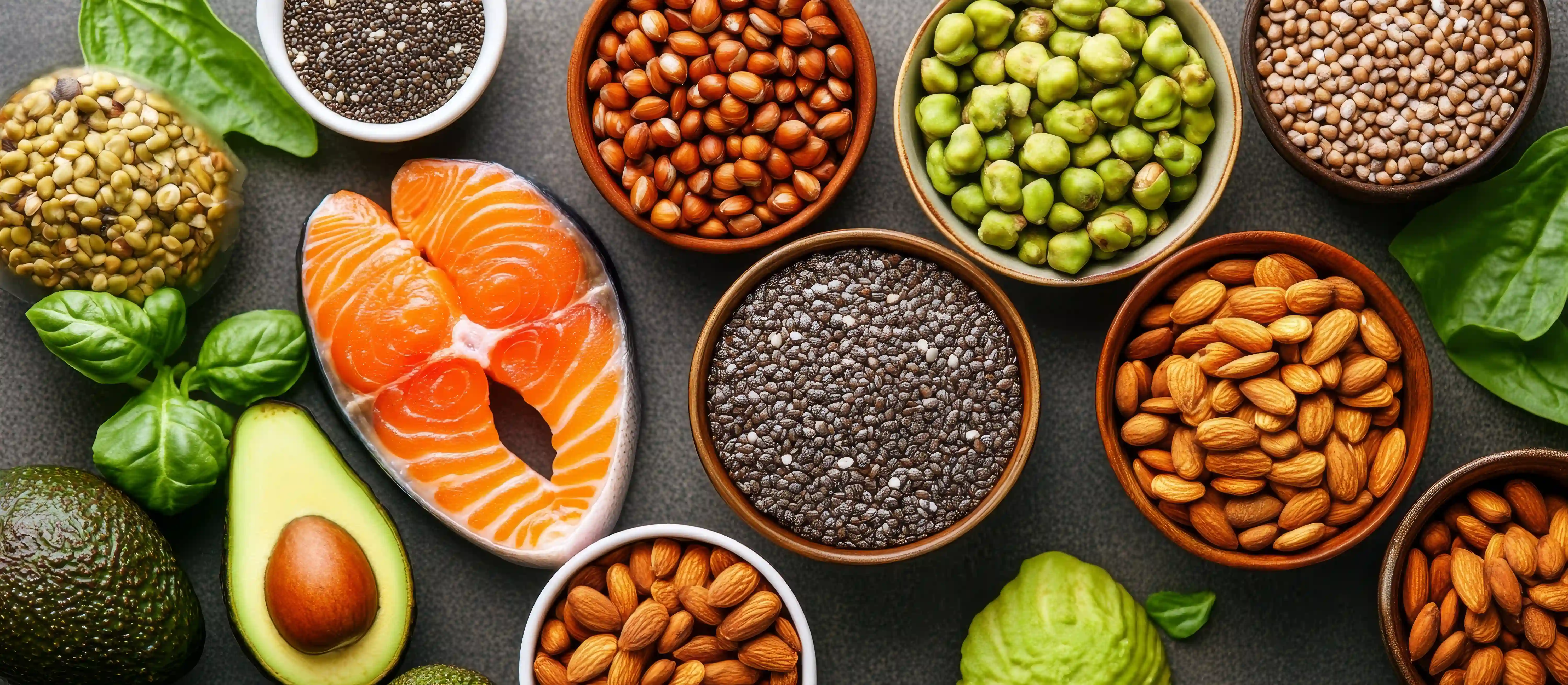
The foods with the most trace elements are:
- Nuts: the vast majority of nuts contain trace elements such as selenium and zinc. Seeds, sesame seeds, almonds and pine nuts are rich in magnesium. Pumpkin seeds stand out for their iron and almonds for their calcium.
- Whole grains: in addition to fiber, the bran and germ of cereals contain trace elements such as iron, selenium, silicon and magnesium.
- Legumes: the vast majority of legumes are rich in iron, zinc, potassium and silicon, the latter being especially present in chickpeas and red lentils.
- Lean meats, fish and eggs contain iodine, iron and copper.
- Vegetables: watercress, spinach and chard have calcium; mushrooms and artichokes have potassium; radishes, cabbage and lettuce have magnesium and iron.
You can supplement the diet with products like these:
- G7 Activ+ with silicon and magnesium, specially formulated to take care of your joints.
- G7 Beauty with silicon and selenium, which is responsible for keeping your skin, hair and nails healthy and strong.
- Orgono Articomplex, with silicon, zinc and magnesium, recommended for recovering the body after exercise. It also improves sports performance.
- G7 Original, which is very well assimilated and provides a higher bioavailability than other forms of silicon.
Therefore, nourish your body with a balanced diet rich in trace elements, supplement it with natural products such as those formulated with silicon, do sports regularly and rest. These are the keys to a full and healthy life.
