
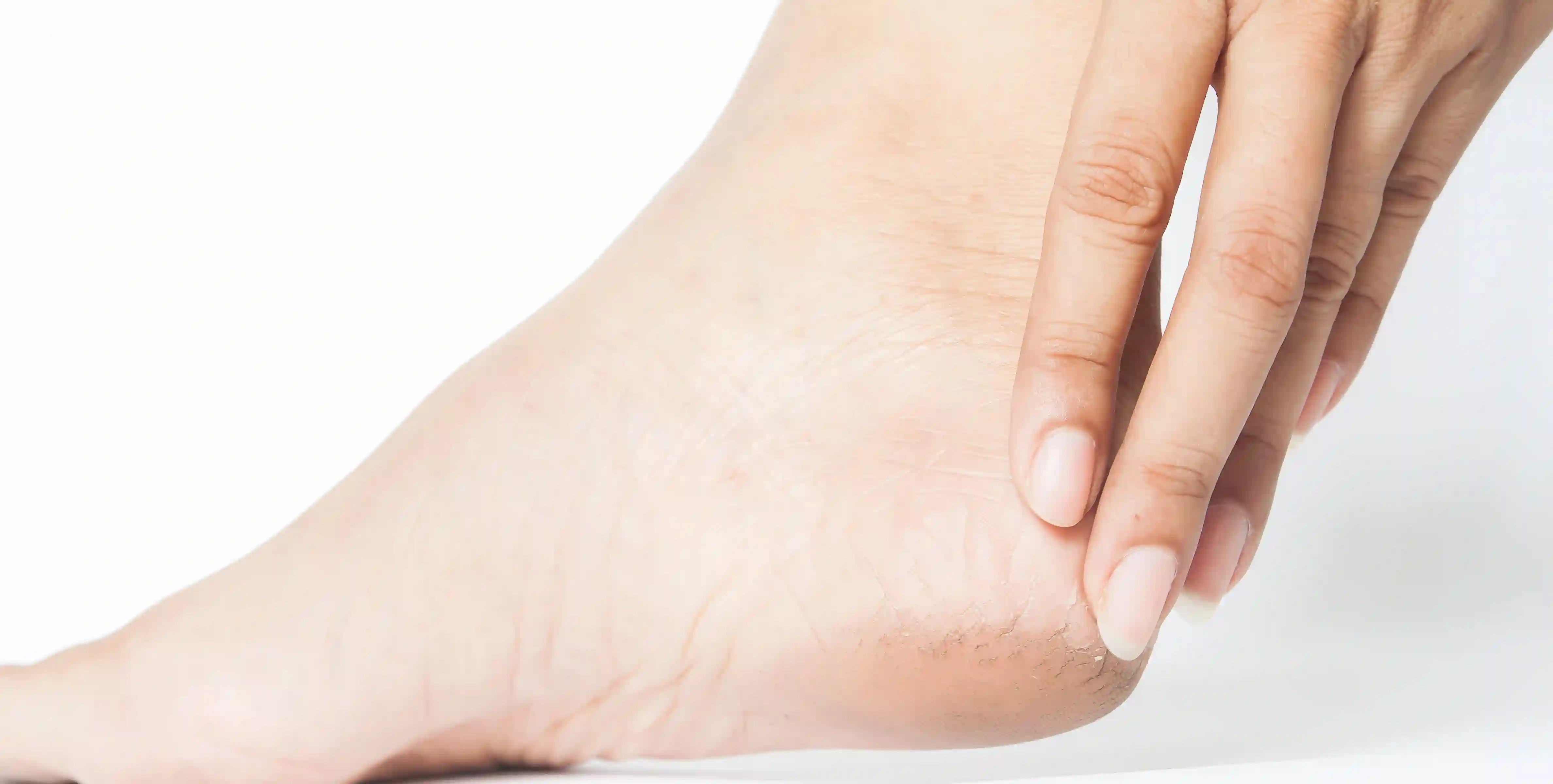
Cracked and dry feet? Causes and home remedies
Cracked and dry feet are usually a very common condition among healthy men and women. Lifestyle, climate or dehydration are some of the most frequent causes involved. Among the signs that indicate if a problem are dry or flaky skin, fine lines or cracks on the bottom of the feet, swelling, itching and flaking of the skin.
So, before cracks in the heels, the area where most hardness usually forms, some bleeding and difficulty walking, we can follow some simple guidelines for prevention and treatment at home, before going to a professional.
Causes of cracked and dry feet
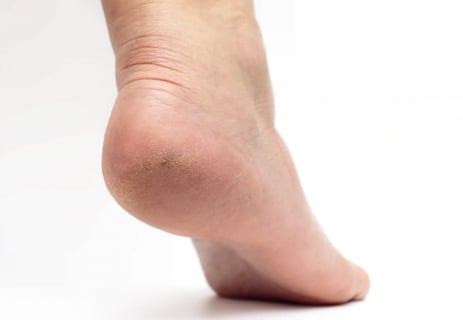
Cracked and dry feet may have no known cause. Some people have naturally dry skin and feet, although if you expose them to extremely cold or hot weather or always walk on outdoor surfaces you risk them starting to dry out. In addition to this, the most frequent causes are:
- Inadequate cleansing such as washing the skin too often or with shower gel, shampoo, conditioner, etc. which strips the skin of the foot of natural lipids
- Low humidity, which varies by region and season
- Open shoes, which causes the fat pads in the heel to expand sideways and increase pressure on the skin, causing it to crack
- Infections
- Fungi that penetrate the skin-foot barrier and cause conditions such as athlete's foot, for example. This is the most common cause of foot and nail fungus, if you want to know more about it.
- Bacteria such as erythrasma
- Eczema: This is one of the most common causes. If the skin is itchy, dry and when scratched becomes scaly or starts to peel, it could be eczema. Eczema is a common skin condition that can affect anyone at any age, so if it is eczema, it is best to see a specialist who can prescribe a stronger cream.
- Athlete's foot: Cracked and dry feet can also be a symptom of athlete's foot, which can occur if your feet are wet or you stay with sweaty socks on for long periods of time. Athlete's foot is a fungus that can spread among friends and family members who share towels and damp areas such as bathrooms.
- Cracked heels also occur due to keeping wet socks on for long periods of time. In extreme cases, heels that are always irritated from the pressure of walking and shoes that are too tight can start to bleed, which can lead to other more serious infections if not treated in time.
These foot infections, apart from the above, are often contracted by walking barefoot, getting an unhealthy pedicure, or showering in unhygienic gyms, etc.... Other times, there are medical reasons such as xerosis, caused by two main factors: a deficiency in the lipids of the skin barrier or a deficiency of natural moisturizing factors or other internal influences such as age, dehydration, diet (in particular one that does not include important vitamins for the skin) or some diseases that influence the health of the skin or the overall immune system, such as diabetes or hyperhidrosis.
Home remedies to treat and heal cracked feet
Actually, a priori, you can address the mild symptoms of cracked heels yourself from home before going to a specialist. Here we leave you with some guidelines to prevent infections or worsening symptoms and keep your feet clean from the comfort of your home.
- Prepare an oatmeal bath
You can buy your own oatmeal and use both coarse and fine flakes, although you can also use colloidal oatmeal and use only the part you need.
Grind the flakes in a grinder until you get a powder as fine as possible. Then fill a basin with warm water, and avoid very hot water, especially if you have very inflamed or irritated skin. Introduce your feet and keep them for 15 to 20 minutes, enjoy and take the opportunity to relax!
Finally, remove your feet and dry them with a clean towel. You can retain the moisture if you add a little olive oil. Your feet will be silky smooth.
- Soak your feet with Epsom salt.
You can also try soothing your feet and heels with an Epsom salt bath. This type of salt can be purchased at any drugstore and you just have to follow the instructions on the package to know how much to put. A bath with Epsom salt is very relaxing and completely natural.
Remember to always put on clean, dry socks at the end to help retain the extra moisture. This works best at night.
- Kerosene wax treatment.
This method is actually best done by a professional, but you can also do it at home if you have experience. The idea is to smear warm, melted wax on your heels after you have thoroughly cleaned your feet. Once the wax has cooled a bit, you remove it, and the result is soft, smooth and moisturized skin. Depending on the dryness of your feet and the cracks in your heels, you may get more or less relief for a while.
How to prevent dry feet and keep skin smooth and soft
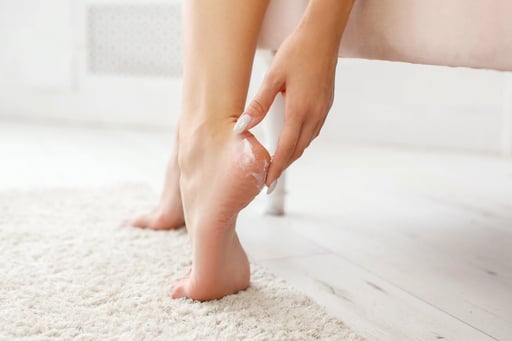
There are traditional ways to control the symptoms of cracked heels and cracked, dry feet, starting with moisturizing creams and lotions with shea butter or aloe vera. In addition to these products, other ingredients included in lotions are salicylic acid, alpha-hydroxy acid, saccharide isomerate and urea, which can alleviate the symptoms of cracked and dry feet. These products vary in price and have an indeterminate shelf life.
Experts from the American Academy of Dermatology (AAD) recommend some simple tips to prevent and care for feet that are prone to cracking or over-drying.
- Limit baths and showers to 5-10 minutes. Extending baths too long can dry out the skin and worsen dry, cracked heels. When drying your skin with a towel, always do so gently.
- If you can, always use mild, fragrance-free soaps and creams. This will help your feet retain their natural oils.
- Always moisturize your feet within 5 minutes after bathing. Look for a moisturizer that contains 10-25% urea, alpha hydroxy acid or salicylic acid, and apply it to your heels immediately after bathing while your skin is still damp, just before your heels dry so they retain moisture.
- Before going to bed, apply simple petroleum jelly, i.e., pure or odorless, and wear socks at night to absorb it well and avoid grease stains on your bedding.
- Protect your heels. During the day, you can put on a liquid bandage if you have heel cracks to create a protective barrier, which can help reduce pain, speed healing and prevent germs from entering the skin.
- Wear the right shoes. If you have dry, cracked heels, avoid shoes with open heels, such as flip-flops or flip-flops, shoes that are worn out, too tight or don't fit quite right.
