
Caring for Your Digestive Health: Essential Tips and Strategies
The digestive system processes more than a ton of food a year and is home to 70% of the body's immune system. But beyond these figures, what most people notice in their daily lives is more concrete: how they feel after eating, if they have heavy digestions, if they suffer from frequent bloating, if their energy depends on what they ate two hours ago.
Digestion is not just the mechanical transformation of food. It is a complex biochemical process involving enzymes, acids, bacteria, hormones and the enteric nervous system, a nervous system unique to the gut with over 500 million neurons, which regulates motility, secretion and communication with the brain almost autonomously.
This guide covers the basics of the digestive system, the most common problems, and the most evidence-based nutritional strategies for maintaining efficient digestion, a balanced microbiota, and a controlled inflammatory state.
How does the digestive system really work?
Digestion begins before food reaches the mouth. The smell and sight of food triggers the secretion of saliva and gastric juices by anticipation - a reflex mechanism that prepares the system to receive the food.
Once ingested, the process follows this sequence:
Mouth: chewing fragments the food and salivary amylase begins to break down the carbohydrates. The quality of chewing directly influences the efficiency of everything that follows.
Esophagus: conveys the food bolus to the stomach by means of peristaltic contractions. The lower esophageal sphincter acts as a valve that prevents the return of gastric contents. When this mechanism fails, reflux occurs.
Stomach: produces hydrochloric acid (pH between 1.5 and 3.5) and pepsin to break down proteins. The gastric emptying lasts between 2 and 5 hours according to the composition of the food. Fats slow down emptying; liquids accelerate it.
Small intestine: where 90% of nutrient absorption occurs. The pancreas provides digestive enzymes (lipases, proteases, amylases) and bicarbonate to neutralize acid. Bile from the liver emulsifies fats so that lipases can act. The absorptive surface of the small intestine, thanks to the villi and microvilli, is equivalent to a tennis court.
Large intestine: absorbs water and electrolytes, and houses most of the intestinal microbiota. Colonic bacteria ferment undigested fibers producing short-chain fatty acids (butyrate, propionate, acetate) that nourish colon cells and have systemic anti-inflammatory effects.
The most common digestive problems
Abdominal distention and bloating
Abdominal bloating is one of the most common digestive symptoms. It can have multiple causes: accumulation of gas produced by bacterial fermentation, alterations in intestinal motility, visceral hypersensitivity or fluid retention. The distinction between functional bloating and bloating associated with conditions such as irritable bowel syndrome or lactose intolerance requires medical evaluation.
A hard, bloated lower abdomen is a specific variant that deserves differentiated attention, as it may be associated with different causes than generalized postprandial bloating.
Gastroesophageal reflux and esophagitis
Reflux occurs when acidic stomach contents ascend into the esophagus due to failure of the lower esophageal sphincter. If repeated frequently, prolonged exposure to acid inflames the esophageal mucosa, producing reflux esophagitis. Its most frequent symptoms are retrosternal burning, acid regurgitation and difficulty swallowing in advanced cases.

Slow digestion and functional dyspepsia
The sensation of heaviness, early satiety or discomfort in the epigastrium without an identifiable organic cause defines functional dyspepsia. It affects 10-20% of the population and has an important component of altered gastric motility and visceral hypersensitivity.
Gas and intestinal noises
Intestinal gas production is physiological: between 500 ml and 1.5 liters per day is the normal range. The problem appears when the production is excessive due to fermentation of unabsorbed carbohydrates (FODMAP), when motility is altered or when there is visceral hypersensitivity that amplifies the perception of normal gas.
Enzymatic digestion: the biochemical engine of nutrition
Digestive enzymes are the proteins that catalyze the breakdown of macronutrients into absorbable molecules. Without them, the most nutritious foods cannot be utilized.
The main enzyme families are amylases (break down carbohydrates), proteases (proteins), lipases (fats) and intestinal disaccharidases such as lactase (specific sugars). Their activity depends on pH, temperature and the availability of cofactors.
Enzyme, pancreatic, intestinal or age-related insufficiency leads to malabsorption: nutrients are not digested properly, resulting in symptoms such as gas, foul-smelling stools, bloating and nutritional deficits.
Gut microbiota: the ecosystem that regulates your health
The human gut microbiota contains between 38 and 100 trillion microorganisms - more than the number of cells in the body itself. This microbial ecosystem influences digestion, immune function, vitamin synthesis, mood regulation through the gut-brain axis, and the systemic inflammatory response.
The composition of the microbiota is plastic: it responds to diet, stress, antibiotics, sleep and exercise. A diverse microbiota, with a predominance of butyrate-producing bacteria, is associated with better metabolic health, lower systemic inflammation, and greater resistance to pathogens.
The factors that most impair the microbiota are antibiotic consumption, low-fiber diet, chronic stress, consumption of ultra-processed foods, and prolonged use of proton pump inhibitors.
The factors that strengthen it the most are the consumption of diverse fiber (food for beneficial bacteria), fermented foods and regular exercise.
Nutritional strategies with evidence
Anti-inflammatory nutrition
Chronic low-grade inflammation is an underlying mechanism in numerous metabolic, cardiovascular and autoimmune diseases. Diet has the direct ability to modulate this inflammatory state, both to activate and reduce it.
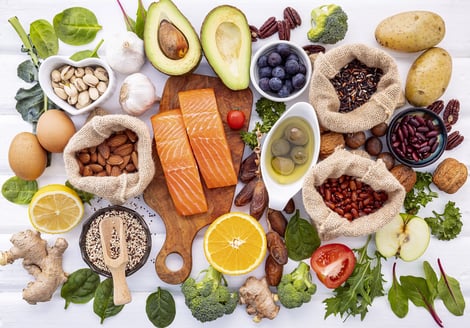
Dietary patterns with the most anti-inflammatory evidence share common characteristics: high density of antioxidants (polyphenols, vitamins C and E, carotenoids), omega-3 fatty acids, fermentable fiber, and low load of added sugars and trans fats.
Vitamins and minerals essential for digestion and metabolism.
Optimal functioning of the digestive system depends on specific micronutrients that act as enzyme cofactors, motility regulators and structural components of the intestinal mucosa.
|
Micronutrient |
Digestive and metabolic function |
Frequent deficiency in |
|
Vitamin B1 (thiamine) |
Carbohydrate metabolism; enteric nervous system function |
Diets low in whole grains |
|
Magnesium |
Cofactor of more than 300 enzymes; regulates intestinal motility |
High consumption of ultra-processed foods |
|
Zinc |
Digestive enzyme synthesis; intestinal mucosal integrity |
Diets low in animal protein |
|
Vitamin D |
Regulates intestinal permeability and mucosal immune response |
Low sun exposure |
|
Iron |
Oxygen transport; mitochondrial function in intestinal cells |
Abundant menstruation, malabsorption |
|
Folic acid |
Cellular synthesis in intestinal mucosa of high turnover |
Diets poor in leafy vegetables |
Medicinal plants with documented digestive action
Certain plants have active principles with documented effects on motility, bile secretion, mucosal inflammation or microbiota.
Horsetail contains organic silicon in the form of orthosilicic acid, flavonoids and minerals with anti-inflammatory action. In infusion, it is traditionally used for the relief of digestive discomfort and to support kidney function.
Aloe vera contains mucilages that form a protective layer on the gastric and intestinal mucosa. Its internal use in standardized forms (without aloin) has evidence for the relief of reflux symptoms and mild irritable bowel syndrome.
The role of organic silicon in digestive health
The mucosa of the digestive tract is one of the most cell-renewing structures in the body: the cells of the intestinal epithelium are completely renewed every 3-5 days. This continuous regeneration process requires collagen, elastin and glycosaminoglycans in constant quantity.
Organic silicon is a cofactor of the enzyme prolyl hydroxylase, responsible for the synthesis and maturation of type IV collagen, predominant in the basement membranes of the intestinal mucosa. An adequate availability of silicon contributes to the maintenance of the integrity of the intestinal barrier, reducing permeability and the passage of antigens that activate inflammatory responses.
Additionally, silicon participates in the synthesis of glycosaminoglycans (GAGs) that form part of the protective mucus layer of the gastric and intestinal epithelium. This layer is the first line of defense against acid, pathogens and dietary irritants.
→ [Organic silicon: properties, benefits and scientific evidence].
Prebiotics, probiotics and fermented: what's the truth.
Probiotics: live microorganisms that, when administered in adequate amounts, confer benefit to the host (WHO definition). The evidence is strong for specific conditions: antibiotic-associated diarrhea, mild irritable bowel syndrome, and some forms of colitis. Not all probiotics have the same effect - strains matter as much as dose.
Prebiotics: non-digestible fibers that serve as a substrate for beneficial bacteria. Inulin, FOS (fructooligosaccharides) and resistant starch are the best documented. They are found in garlic, onion, leek, green banana, asparagus and oats.
Fermented: foods that have undergone microbial fermentation: kefir, yogurt, miso, tempeh, sauerkraut, kombucha. They provide live microorganisms, bioactive compounds produced during fermentation, and in some cases improve the bioavailability of the nutrients of the base food. Water kefir has a different microorganism profile than milk kefir and may be an option for people with lactose intolerance.
Prevention: how to maintain long-term healthy digestion
The habits with the greatest documented impact on digestive health are simpler to state than to sustain:
Slow, mindful chewing - reduces stomach workload, activates digestion anticipation reflexes and enhances the satiety signal. A meal eaten in 5 minutes produces more gastric distension and worse digestion than the same meal eaten in 20 minutes.
Adequate hydration: water is essential for the consistency of intestinal contents and colon motility. Chronic dehydration is one of the most frequent and underestimated causes of constipation.

Diverse and progressive fiber: increasing fiber intake abruptly can lead to gas and bloating. Gradual incorporation, with good hydration, allows the microbiota to adapt.
Stress management: the enteric nervous system is extremely sensitive to signals from the central nervous system via the gut-brain axis. Chronic stress alters motility, increases intestinal permeability and modifies the composition of the microbiota.
Avoid excess non-steroidal anti-inflammatory drugs (NSAIDs): ibuprofen and similar drugs damage the gastric and intestinal mucosa with prolonged use, increasing the risk of ulcer and permeability.
Strategy by life stages
Before the age of 35, the digestive system has a greater capacity for adaptation and recovery. The objective is to establish habits: fiber diversity, fermented foods, hydration and stress management. Nutritional deficits at this stage are usually related to restrictive or highly processed diets.
Between 35 and 55 years of age, the production of digestive enzymes begins to decrease and the composition of the microbiota tends to simplify. The prevalence of reflux, functional dyspepsia and irritable bowel syndrome increases. Incorporating supporting micronutrients (zinc, magnesium, vitamin D) and fermented foods on a regular basis makes a difference.
After age 55, intestinal motility may slow down, the mucosa loses some integrity and the microbiota becomes less diverse. Hydration, fiber and nutritional support to the mucosal connective tissue become more important. Periodic review of medications that may affect digestive function (NSAIDs, antibiotics, PPIs) is important.
Frequently asked questions about digestion and nutrition
Why do I bloat even if I eat healthy? Bloating is not always related to diet quality. It may be due to the speed at which you eat, the type of fiber you consume (some ferment more than others), microbiota dysbiosis, visceral hypersensitivity or intolerance to certain foods such as lactose or gluten. Eating healthy foods but in combinations that generate a lot of fermentation (legumes + cruciferous vegetables + onion in the same meal) can also cause bloating in susceptible people.
Do supplemental digestive enzymes really work? It depends on the cause of the problem. If there is diagnosed exocrine pancreatic insufficiency, pancreatic enzyme supplements are standard treatment. In people with functional but sluggish digestion or mild deficiency, digestive enzyme supplements may help, but the effect is more modest. More efficient in the long term is to identify and correct the underlying cause.
Is kefir better than yogurt for the microbiota? The kefir contains more strains of microorganisms and greater diversity than standard yogurt, in addition to yeasts that are not present in yogurt. Available studies suggest that kefir has a slightly broader effect on the microbiota. However, the practical difference for a healthy person who already consumes regular yogurt is marginal. The important thing is to include fermented consistently, not which of the two is "better".
How does digestion relate to mood? The gut produces approximately 95% of the body's serotonin. The gut microbiota influences neurotransmitter synthesis and bidirectional communication between gut and brain via the vagus nerve. Dysbiosis, an imbalance of the microbiota, has been associated in observational studies with increased prevalence of anxiety and depression. The causal direction is not fully established, but the gut-brain connection is a very active field of research with real implications.
Does organic silicon aid digestion? Silicon contributes to the maintenance of intestinal mucosal integrity by participating in the synthesis of type IV collagen and the glycosaminoglycans that form the protective layer of the epithelium. It is not a treatment for diagnosed digestive conditions, but as a supporting micronutrient to the connective tissue of the mucosa, it has a role in maintaining the intestinal barrier, especially in contexts of chronic low-grade inflammation.
When should I consult a physician for digestive symptoms? When symptoms are persistent (more than 3-4 weeks), when there is blood in the stool, when there is unintentional weight loss, when pain is severe or nocturnal, or when symptoms progressively worsen. Prolonged self-medication with antacids or laxatives may mask conditions that require diagnosis.
