
8 Foods Rich in Digestive Enzymes and Their Benefits
No one doubts the importance of diet for health. We know that it is essential to avoid processed foods and opt for natural ingredients, such as foods with digestive enzymes. Although the body also produces them, it is always positive to find a way to help the digestive system with a nutrition plan that provides them.
These natural catalysts provide numerous advantages to the organism and in the following lines we will discover where they can be obtained naturally.
How do digestive enzymes work?
When eating, the digestive system, especially the stomach and intestines, get to work extracting proteins, vitamins, fats and carbohydrates from food. These nutrients enter the bloodstream and are used by the body for energy, growth and repair.
But none of this could happen without digestive enzymes. The three main types are:
- Protease, which extracts proteins from food and converts them into small amino acids and peptides for building and repair.
- Amylase, which breaks down carbohydrates into simple sugars for energy.
- Lipase, which breaks down fats into fatty acids.
Some other common enzymes produced in the small intestine, such as lactase, maltase and sucrase, are responsible for breaking down different types of sugar. Lactase breaks down sugar found in dairy products. Maltase breaks down maltose, sugars in malted sugar. Sucrase breaks down sucrose, which comes from sugar cane or beet syrup.
When the production of these enzymes is insufficient or the digestive transit is disturbed, symptoms such as abdominal bloating may appear. If in addition to gas you notice that the lower abdomen appears bloated and hard on a recurring basis, there may be additional digestive factors that should be identified beyond diet.
What are the foods with digestive enzymes?
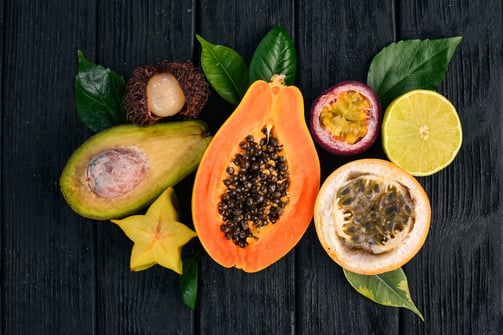
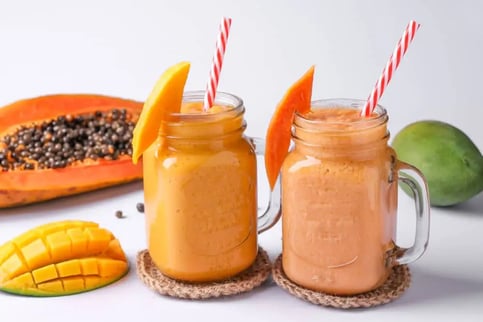
Many of your favorite fruits top the list of foods with digestive enzymes. You can have them plain, along with yogurt and oatmeal or in vitamin-packed smoothies. Some of these foods are:
- Ginger. The enzyme it contains is a type of protease that breaks down proteins in the food you eat. Eating or drinking foods with ginger promotes contractions in the muscles that line the digestive organs. The root is also good for hair, skin and nails.
- Mango. Mango helps break down carbohydrates into glucose and maltose with the digestive enzyme amylase. Mango enzyme activity increases as the mango ripens. This also explains why the fruit becomes sweeter with age: the enzymes break down the fruit's starches into sugars.
- Honey. As far as enzymes go, honey is a superfood because it contains amylase, protease, diastase and invertase. Diastase breaks down starches into digestible maltose. Invertase breaks down sucrose into glucose and fructose, easy sources of energy. The most advisable is to consume raw honey.
- Pineapple. This exotic fruit contains bromelain, a protease. Eating pineapple along with protein-rich foods promotes digestion of food.
- Kefir. This is a fermented milk drink that is thick and creamy. While studies suggest it may provide a variety of health benefits, kefir is primarily sought after for its gut health benefits, including probiotics and digestive enzymes. In kefir, digestive enzymes such as lipase, lactase and protease are created when bacteria grow in the beverage. As the bacteria grow and multiply, the amount of nutrients and enzymes also increases.
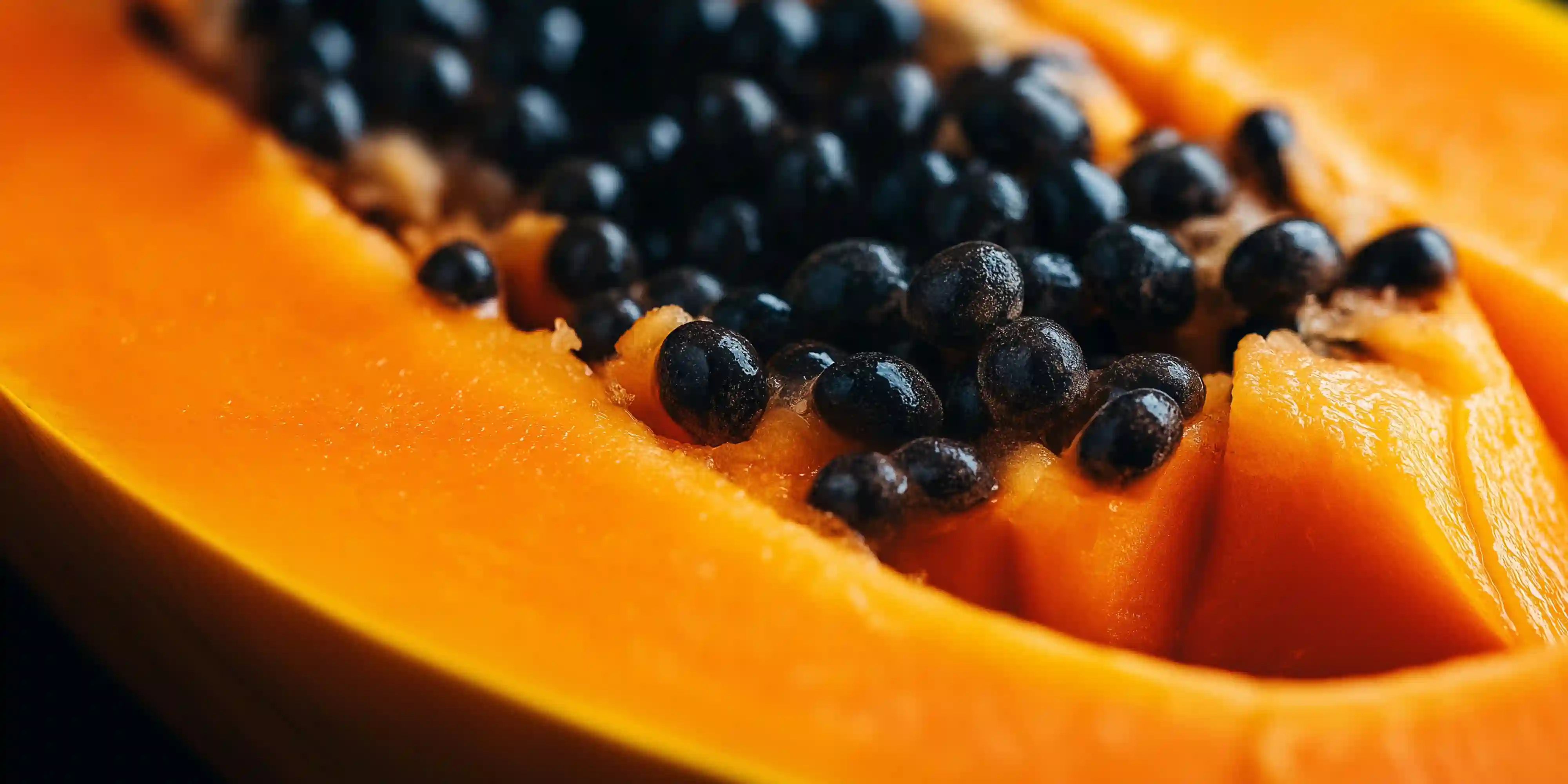
- Papaya. Like pineapple, tropical papaya is also a good source of protease. This enzyme breaks down proteins into amino acids and peptides that your body can use more easily. But it is not the only digestive enzyme in this fruit. Papaya also contains papain, which breaks down proteins into amino acids.
- Bananas. If we talk about the most delicious digestive enzyme foods we quickly think of them and bananas. Not only do they ensure an extraordinary supply of potassium, they also include a good dose of these catalysts, specifically amylases and glucosidases. Both of these enzymes break down the carbohydrates in the foods you eat and convert them into simple sugars that the body can more easily absorb. You can see how these enzymes work when green, unripe bananas become sweeter as they age; that's the action of the enzymes. Bananas have many health benefits and are always in season, so it's easy to include this fruit in your diet.
- Avocado. This ingredient that has settled into your breakfasts is a good source of the digestive enzyme lipase. Lipase helps break down fat in food into molecules that are easier for the digestive system to absorb. Avocados are also known to help prevent the uncomfortable feeling of being too full after a meal.
Benefits of Consuming Foods with Digestive Enzymes
The advantages of consuming foods with digestive enzymes are obvious, both at the level of the digestive system; as it sees its function optimized and stays healthier, and in terms of overall body wellness; which prevents inflammation and stress at the organ level, imbalance and bloating. The ability to break down the components of the food we eat is a key benefit that should lead us to seek ways to incorporate digestive enzyme foods into our diet. In a complementary way, it is advisable to eliminate highly processed fatty foods from the diet, especially fried foods.
