
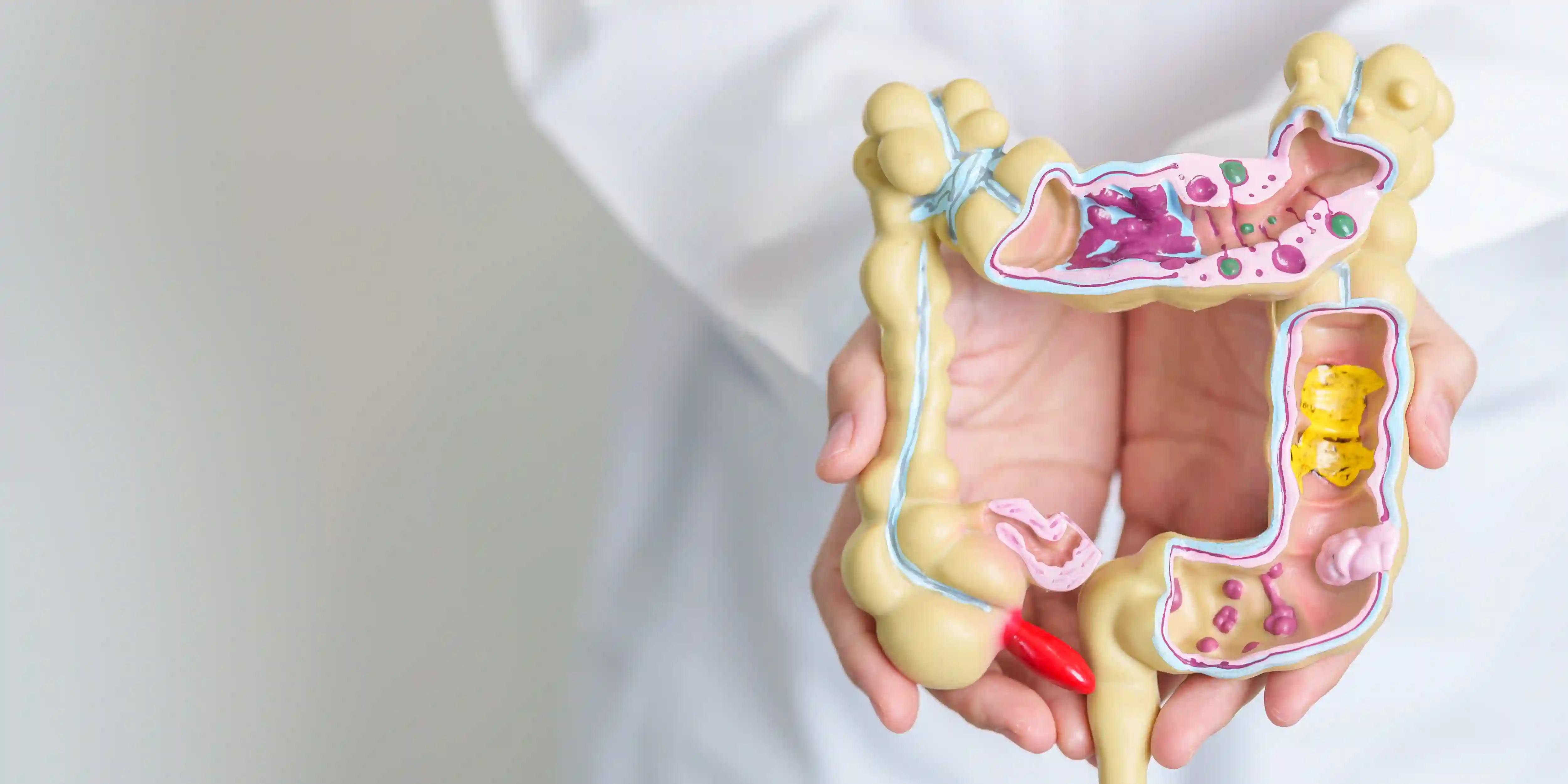
Enzymatic digestion: What is it and how does it work?
Enzymatic digestion is the action of enzymes to break down ingested food into substances that are easily absorbed and assimilated.
Digestive enzymes aid in the process of chemical digestion of food by breaking down complex particles into simpler ones. In this way, the molecules can be absorbed into the blood and transported to all the cells of the body.
In this article we will explain how enzymatic digestion takes place and where it starts. We will talk about the most important digestive enzymes, what their function is and what consequences their absence has for the metabolism.
How does enzymatic digestion take place?
The digestive process begins in the mouth when we ingest a food and start chewing. Digestive enzymes break down the large, complex molecules that make up proteins, carbohydrates and fats into smaller ones. This allows the nutrients in the food to be absorbed into the blood and transported through the bloodstream to the rest of the body.
Where does enzymatic digestion begin?
The first enzyme that comes into contact with food is found in saliva and induces the release of the enzyme ptyalin or salivary amylase in the oral cavity, which is responsible for breaking down complex carbohydrates.
The stomach, small intestine and pancreas also produce digestive enzymes.
Where does most enzymatic digestion take place?
Most chemical digestion takes place in the small intestine. Digested chyme from the stomach passes through the pylorus into the duodenum, where it mixes with secretions from the pancreas and duodenum.
The pancreas is responsible for secreting digestive enzymes into the duodenum, which help break down fats, proteins and carbohydrates.
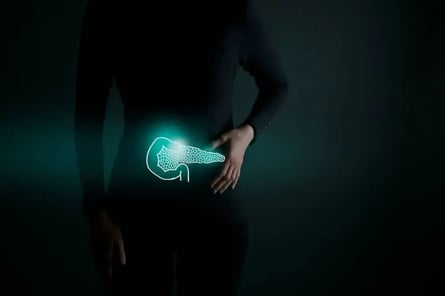
What are the main digestive enzymes?
Digestive enzymes are proteins found naturally in the body (although they can also be taken as a supplement). They are necessary to enable nutrient absorption and maintain optimal health. Without these enzymes, nutrients from food would be wasted.
Amylase
It is responsible for digesting carbohydrates. It breaks down starches into sugars. Amylase is secreted by both the salivary glands and the pancreas.
Low levels of amylase may be related to chronic pancreatitis or liver disease.
Protease
Also called proteolytic enzymes or peptidases, these digestive enzymes break down proteins into amino acids.
They also play an important role in numerous bodily processes:
- Blood clotting.
- Immune function.
- Cell division.
Proteases are produced in the stomach and pancreas and the main ones are: pepsin, trypsin, chymotrypsin and carboxypeptidase A and B.
Lipase
This enzyme breaks down fats into fatty acids and glycerol or simple sugar alcohol. It is produced mostly in the pancreas, and in smaller amounts in the mouth and stomach.
Digestive enzymes: natural sources and supplements
There are foods that contain natural digestive enzymes that can aid in digestion:
- Honey: amylase and protease.
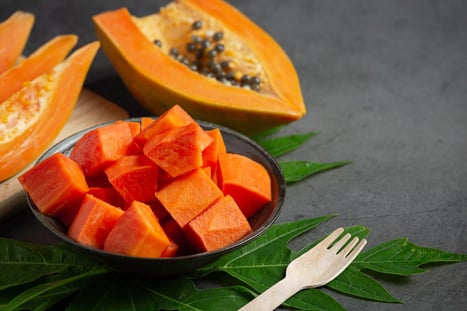
- Papaya: papain.
- Avocado: lipase.
- Mango and banana: amylase.
There are conditions that can cause a deficit of digestive enzymes, such as lactose intolerance or exocrine pancreatic insufficiency. When this occurs, it may be necessary to include more of these foods in the diet and to add over-the-counter or prescription enzyme supplements, depending on each case.
When the lack of digestive enzymes causes poor digestion, discomfort or malnutrition, it is called exocrine pancreatic insufficiency. In these cases, it is advisable to take an appropriate digestive enzyme supplement before meals to help the body process food effectively.
What are the consequences of the absence of enzymes on our metabolism?
If the body does not produce enough digestive enzymes, it will not be able to digest food properly. This will be accompanied by symptoms such asstomach pains, diarrhea or gas, among others.
The deficit or absence of digestive enzymes can lead to the accumulation of toxic compounds capable of altering the normal functions of the organs and causing failures in the production of necessary biological compounds.
Without digestive enzymes, most metabolic reactions would take much longer and would not be fast enough to sustain life. Enzyme activity enables a cell to respond to changing environmental demands and regulate its metabolic pathways, which are essential for cell survival.
In many cases, these deficiencies can be addressed by making certain dietary changes. Certain foods should be avoided, more foods containing natural digestive enzymes should be included, and prescription or over-the-counter enzyme supplements should be taken as recommended by a registered dietitian.
Enzymatic digestion: key to the digestive process
Digestive enzymes are naturally present in the body and create chemical reactions that contribute to a multitude of processes, from the breakdown of food during digestion, to muscle development, to the destruction of toxins.
Their main benefit is to aid the digestive process, break down macronutrients and improve their absorption. They also help reduce gastrointestinal symptoms, such as abdominal pain. To maintain adequate levels of digestive enzymes, it is advisable to take foods that contain them naturally, such as avocado or papaya, or add a supplement when necessary.
Digestion is a very sensitive and complex process, and its tissues are susceptible to inflammation. In this aspect, organic silicon is an essential mineral for our body, although over the years, its levels are decreasing. The Silicium G7 Siliplant has been formulated with highly bioavailable organic silicon from plants, especially horsetail and rosemary. It contributes to collagen formation, helps eliminate toxins and reduce inflammation in the digestive system. Justifiably supplementing while maintaining a healthy diet is highly recommended for good intestinal health.
