
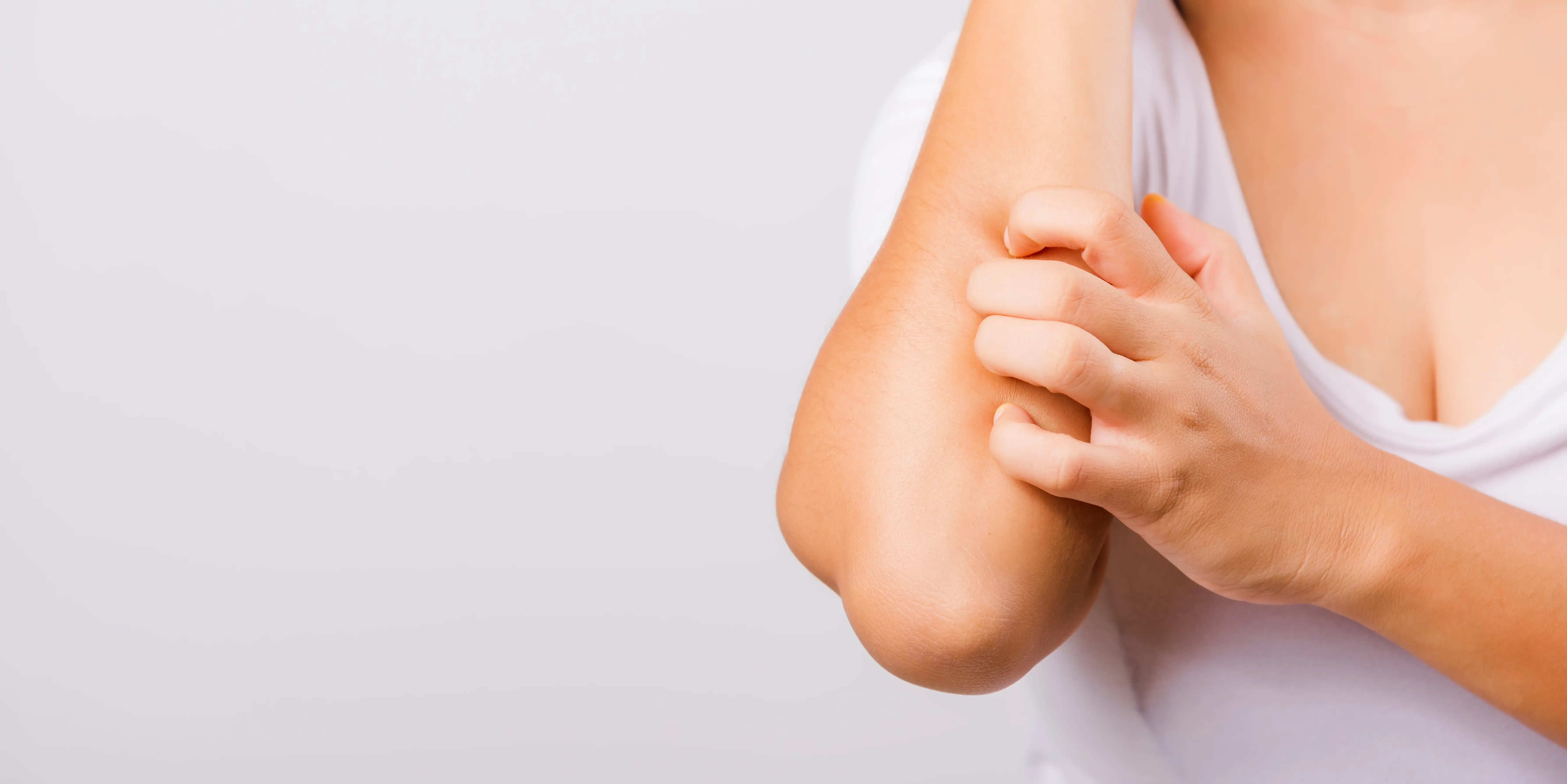
Stress-induced dermatitis: how to treat this skin condition
Stressful situations are capable of unbalancing the proper functioning of our organism, especially when they are prolonged over time.
In fact, stress can trigger health problems at different levels and to varying degrees, with the skin being one of the most affected areas of the body .
An example of this is stress dermatitis, a skin problem of an inflammatory nature that can affect people of any age.
What is dermatitis?
In general terms, dermatitis is an inflammatory skin disease that results in the appearance of rashes called eczema and causes redness and itching.
However, there are different forms of dermatitis that differ in their cause and symptoms, such as seborrheic dermatitis, contact dermatitis, herpetiformis or atopic dermatitis, among others.
Atopic dermatitis is one of the most common types of dermatitis. Multiple factors are involved in its development, but the exact cause is unknown.
However, it is known that stress can be very important in its manifestation and worsening; in fact, in many cases it is the main trigger, in which case we speak of stress dermatitis.
Stress dermatitis
In stress dermatitis there is a close connection between the emotional state and the condition of the skin, as emotions and the degree of tension can trigger different reactions at the skin level.
Thus, stressful situations, both occasional and chronic, can lead to the development of stress dermatitis, but also to other skin problems such as psoriasis, which can be triggered or worsened by stressful conditions.
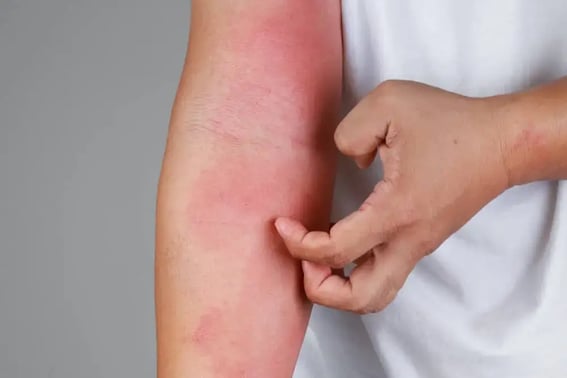
Causes and factors of atopic dermatitis
Stress can promote an inflammatory response capable of triggering episodes of severe atopic dermatitis. However, dermatitis flare-ups can also lead to elevated stress and other psychoemotional conditions, such as anxiety and depression.
In other words, it is a skin problem that can have a significant emotional and psychological impact on sufferers.
In general, this occurs because the discomfort and pain caused by dermatitis outbreaks can be so intense that they end up affecting the rest and daily life of those affected.
Stress dermatitis is a problem that feeds back on itself, so it requires us to act both at the level of the skin and in relation to emotional well-being.
How do I know if I have stress dermatitis?
Atopic stress dermatitis is characterized by outbreaks, which will occur close in time to stressful situations.
A possible stress dermatitis is also suspected when psychological and/or emotional tension worsens the current symptoms.
Symptoms of atopic stress dermatitis
The skin manifestations caused by dermatitis tend to appear in the creases of the elbows and the back of the knees, although they can occur on any area of the body.
Symptoms that may be experienced as a result of this type of dermatitis include:
- Itching or itching: may be intense and result in the appearance of scratching sores.
- Hives: may ooze fluid.
- Dry skin and eczema: presenting areas of red, rough, scaly and cracked skin.
- Scabs: may appear as a consequence of scratching.
How to relieve stress dermatitis
Although the frequency of dermatitis outbreaks varies, this pathology tends to become chronic.
The treatment of atopic dermatitis has two main objectives: to reduce the symptoms that occur during outbreaks, such as itching and eczema, and to prevent the dermatitis from worsening.
These are the most common treatment guidelines :
- Use of topical corticosteroids (will depend on the type of eczema and the area where it is located).
- Maintain skin hydration, with ingredients such as olive oil. In addition, there are lotions that can help you such as Silicium G7® gel or Soriaskin, formulated to treat damaged and flaky skin. It is ideal for itchy skin, prone to dryness and irritationand contains ingredients such as organic silicon, echinacea and vitamin E, which provide protection to the skin and help its regeneration.
- Avoid scratching.
- Addressthe management of stress to treat the root of the problem.
*Treating only the physical manifestations will not help prevent new outbreaks from occurring.
Dealing with stress to improve dermatitis
The first thing you should do is to identify which are the stressors or uncomfortable situations that make you have stress, to be aware of it and control it by applying the appropriate techniques.

Although the ideal is to go to a specialist who can evaluate and advise us individually, some general strategies to carry out a better stress management are:
- Create healthy relationships: socializing, participating in events, joining a support group, talking on the phone with friends and family are some strategies to socialize and stay connected.
- Exercise: At least 150 minutes of physical activity per week, which equals about 20-30 minutes per day, can help reduce stress and relieve inflammation.
- Breathing exercises: Meditation, yoga will help you relax.
- Diet: Following a balanced diet based on fruits, vegetables, quality proteins and whole grains helps reduce stress levels. Eliminate foods rich in saturated fats, fried foods, sugars and refined flours.
- Quality sleep: Sleep at least 7 hours every night.
- Psychological therapy: Talking to a specialist and implementing techniques aimed at reducing stress can help you increase your self-esteem and improve your predisposition.
- Avoid behaviors that negatively affect the body: consumption of alcohol, tobacco and other unhealthy habits.
Take care of your skin and your emotional state
In short, if you suffer from stress dermatitis you should take care of both your skin and your emotional well-being, as both are closely linked.
In addition, to reduce the occurrence of outbreaks and/or the intensity of these, banish bad habits and make sure you provide your body and skin with all the nutrients and minerals it needs.
If you notice skin outbreaks coinciding with periods of stress or anxiety, and the symptoms worsen when you feel nervous or tense, it is likely to be stress dermatitis.
Moisturize your skin well, avoid scratching, use creams with soothing ingredients such as olive oil, organic silicon or vitamin E, and address stress management with relaxation techniques, exercise and adequate sleep.
