
How can I relieve an inflamed popliteal fossa?
Do you feel a sharp pain behind your knee while running or exercising? If you have to stop and can no longer continue, you probably have an inflamed popliteus tendon. A small muscle located in the posterior lateral corner of the knee, which, if inflamed, can cause a lot of discomfort.
What is the popliteus?
The popliteus is a muscle located behind the knee, in the so-called popliteal fossa. Its function is to allow the knee to flex correctly and to provide stability.
However, this muscle can become inflamed to the point of rupturing the tendon and causing popliteus tendonitis. This inflamed popliteus muscle injury or popliteus tendinopathy is a common trauma in athletes and sportsmen, and can also affect people who exercise occasionally or who have a history of knee trauma.
What are the symptoms of inflamed popliteus?
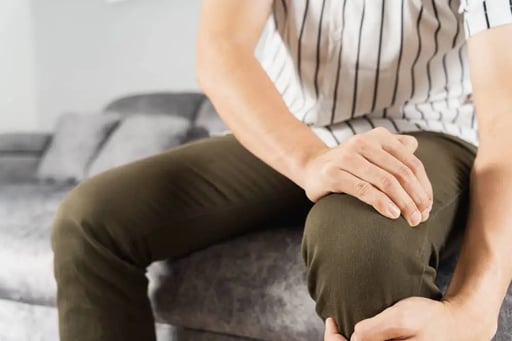
Some of the most common symptoms are a sharp pain behind the knee and swelling in the area. There may also be tenderness on the lateral side and redness of the area.
In addition, a small cracking sound is usually heard as the tendon moves when walking or making other movements.
If you notice discomfort or severe pain in the back of the knee when climbing stairs, running or walking, it could be an inflamed popliteus. Also, if you run your hand lightly over your knee, you may notice that it is much more tender to the touch all over the outside and posterior area.
Usually, the most common cause of popliteal swelling is a previous knee strain. It can also occur during high performance running due to overuse and overstimulation of the popliteus tendon, a common occurrence in other overuse injuries.
Finally, the most clinical way to confirm whether the popliteus is inflamed is by the 'Garrick' test. This test reproduces the sensation of pain in the knee. It consists of flexing the knee while externally rotating the tibia and evaluating whether pain appears.
However, according to a study published in the British Journal of Sport Medicine (BJSM), inflammation of the popliteus muscle is common. However, complete rupture of the tendon is very rare.
Popliteus inflammation: treatment and causes
When an injury or inflammation of the popliteus appears, the first thing to do is to apply ice to reduce the swelling. It is also advisable to use an elastic bandage and rest for a few days.
In addition, according to a study by the National Institutes of Health (NIH), there are other effective treatments. One of them is the application of ice, which helps reduce swelling and pain. It also works as a preventive measure. Methods such as cryotherapy, according to the Revista de la Sociedad Española del Dolor, have been proven to reduce pain and act as an analgesic and therapeutic treatment.
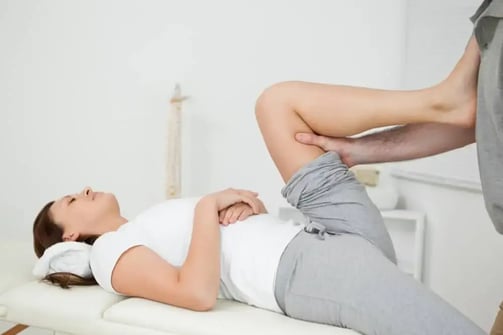
Total immobilization of the muscle is not advisable due to the risk of atrophy, so it is advisable to use some kind of load to align the tissues. Stretching exercises should be performed by a professional. One method consists of isometrically tensing the popliteus muscle and then relaxing it. The professional then stretches the muscle again and abducts the forefoot.
Strengthening exercises, such as a step task performed on an unstable surface, or a quick unloading and loading step exercise. This exercise should be performed as quickly as possible.
Ultimately, the inflamed popliteus can lead to more serious conditions in the tendon and other vital structures in the knee. Therefore, rest and appropriate exercise are essential. In addition, supplementation with products such as Silicium G7 Sport Recovery Cream, which promotes muscle recovery, can help. It also provides immediate relief and improves blood circulation. Another recommendation is the application of Silicium G7 Sport Recovery Gel, which relaxes overloaded tendons and improves strength, endurance and elasticity.
To reduce popliteus inflammation, apply ice several times a day, use an elastic bandage and rest. In addition, perform gentle stretching and strengthening exercises under professional supervision. The use of sports creams or gels can help improve circulation and relieve pain.
The popliteus becomes inflamed from overuse, previous knee sprains or repetitive motions during running or exercise. This can cause pain behind the knee, swelling and tenderness to the touch.
Recovery from popliteus tendonitis usually takes 2 to 6 weeks, depending on the severity and treatment. Following rest, ice, stretching and strengthening exercises will speed recovery and prevent complications.
