
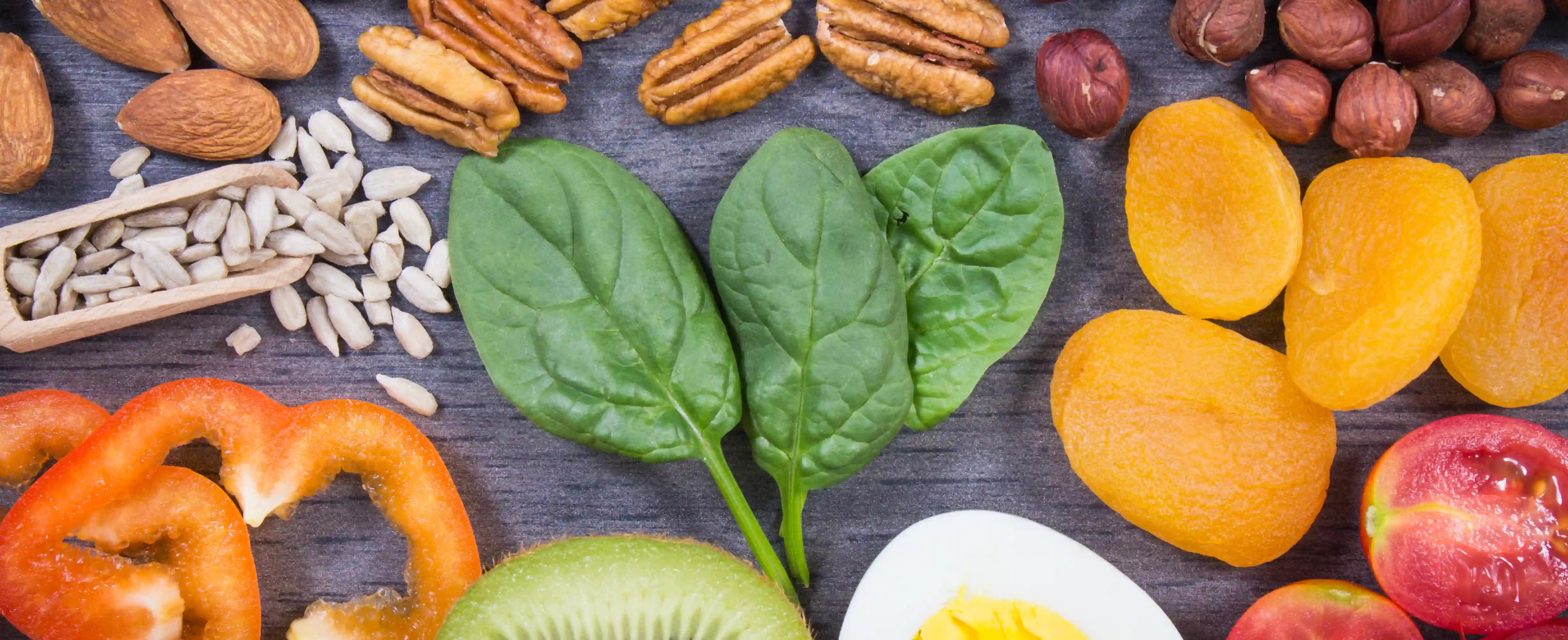
Foods that contain vitamin B1
Do you know the foods that contain vitamin B1? This vitamin is essential for our heart and nervous system to function properly. In this article we tell you which are the products that contain it the most.
What is vitamin B1 and what is it for?
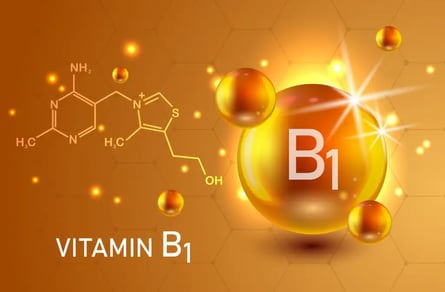
Vitamin B1 or Thiamine is one of the eight vitamins of the B complex, a group of water-soluble vitamins necessary in small amounts for the body to carry out multiple functions.
Vitamin B1 is necessary for the following functions:
- It collaborates in the metabolism of carbohydrates, fats and proteins, making it decisive for generating energy from nutrients.
- It is necessary for proper growth and development.
- It also contributes to the proper functioning of the heart, nerve impulse communication between neurons and muscle contraction.
- It functions as an essential coenzyme for gas exchange between body tissues and blood.
- It is involved in the synthesis of nucleic acids such as DNA.
Check out our guide to important minerals and vitamins for the body.
Foods containing vitamin B1
Following a complete and balanced diet, there are many foods that contain vitamin B1. These are the foods with the highest intake:
- Brewer's yeast is the food with the highest amount of vitamin B1, with 9.7 mg/100 grams.
- Whole grains. Wheat germ stands out, with a contribution of 2 mg/100 g, whole oats, with 0.76 mg/100 g, whole wheat and corn, with 0.40 mg/100 g, and brown rice, with 0.39 mg/100 g. Products made from these cereals, such as pasta and breads, are a source of vitamin B1.
- Seeds. Flaxseeds and sunflower seeds stand out with a contribution of 1.7 mg/100 g.
- Pork meat. Thiamine is concentrated in the leanest pieces, which contribute up to 0.89 mg/100 grams.
- Sausages. Consumed in moderation, they can be part of our diet. The following stand out: cured pork loin, with 0.8 mg/100 g., Serrano ham, with 0.75 mg/100 g, bacon with 0.43 mg/100 g and mortadella, with 0.33 mg/100 g.
- Nuts. In addition to the goodness of these foods, they provide vitamin B1. The nut richest in this vitamin is the pistachio, with 0.69 mg/100 g, and hazelnuts, with 0.45 mg/100 g.
- Legumes. In addition to their high fiber content, these products also provide thiamine. The ones that more, the broad beans, with 0.50 mg/100 g, the lentils, with 0.62 mg/100 g, the white beans, with 0.50 mg/100 g and the chickpeas, with 0.41 mg/100 g.
- Egg. Another important source of vitamin B1, especially the yolk. The contribution is 0.29 mg/100 grams.
- Vegetables and greens, although not particularly rich in this vitamin, also contain some B1. Above all, garlic, with 0.16 mg/g and mushrooms, artichokes and asparagus, all with a similar contribution of 0.12 mg/100 g.
- Fish and shellfish are another source of B1, especially oysters, with 0.15 mg/g, followed by sole, sea bass and sardines with an intake of 0.12 mg/100 g.
Vitamin B1 requirements
These are the vitamin B1 requirements according to age and sex.
Infants - Adequate Intake (AI)
- AI 0 to 6 months: 0.2 mg/day
- AI from 7 to 12 months: 0.3 mg/day
Children - Recommended Daily Intake (RDA)
- RDA from 1 to 3 years: 0.5 mg
- RDA from 4 to 8 years: 0.6 mg
- RDA from 9 to 13 years old: 0.9 mg
Adolescents (14 years and older) and adults - RDA
Males: 1.2 mg
Women:
- RDA from 14 to 18 years: 1.0 mg
- RDA from 19 years of age: 1.1 mg
- RDA during pregnancy and breastfeeding: 1.4 mg
In order to achieve an adequate intake of this vitamin, it is necessary to take into account the amount of physical activity performed on a regular basis, since the greater the amount, the higher the intake of vitamin B1 will be required.
The importance of consuming foods containing vitamin B1 in sports performance
B vitamins contribute to the assimilation of proteins thanks to their catalytic function that accelerates the necessary biochemical reactions. For this reason, a complete diet with an adequate supply of nutrients is essential for the optimal regeneration process of muscle fibers.
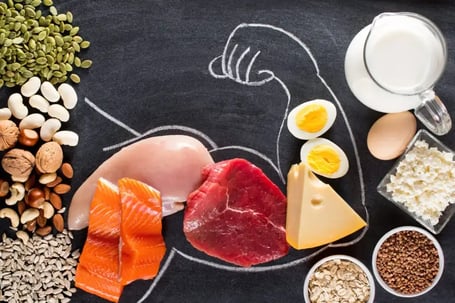
In addition, as we have already mentioned, the body requires vitamin B1 to obtain energy from the metabolism of nutrients. The energy intake acquired through carbohydrates is essential for endurance sports such as long-distance running or cycling, where the body needs a minimum of energy to withstand the practice of these sports.
Thiamine is necessary for obtaining energy (ATP) from carbohydrates. Therefore, it is very important in the practice of endurance sports such as cycling, long distance races, etc., since the higher the consumption of carbohydrates, the greater the requirement.
What diseases vitamin B1 helps to prevent
An insufficient amount of vitamin B1 can lead to these pathologies:
- Abnormaltiredness
- Muscleweakness
- Concentration problems
- Weight loss
In cases of severe deficiency, it can lead to the appearance of Beriberi disease, which consists of a malfunction of the nervous system and heart, and Wernicke - korsakoff syndrome, a complicated disease that leads to encephalopathy and brain damage.
We hope we have helped you understand the importance of vitamin B1 and why it is essential that you include in your meals foods that contain it.
A balanced and varied diet is sufficient to meet the daily requirement of vitamin B1.
