
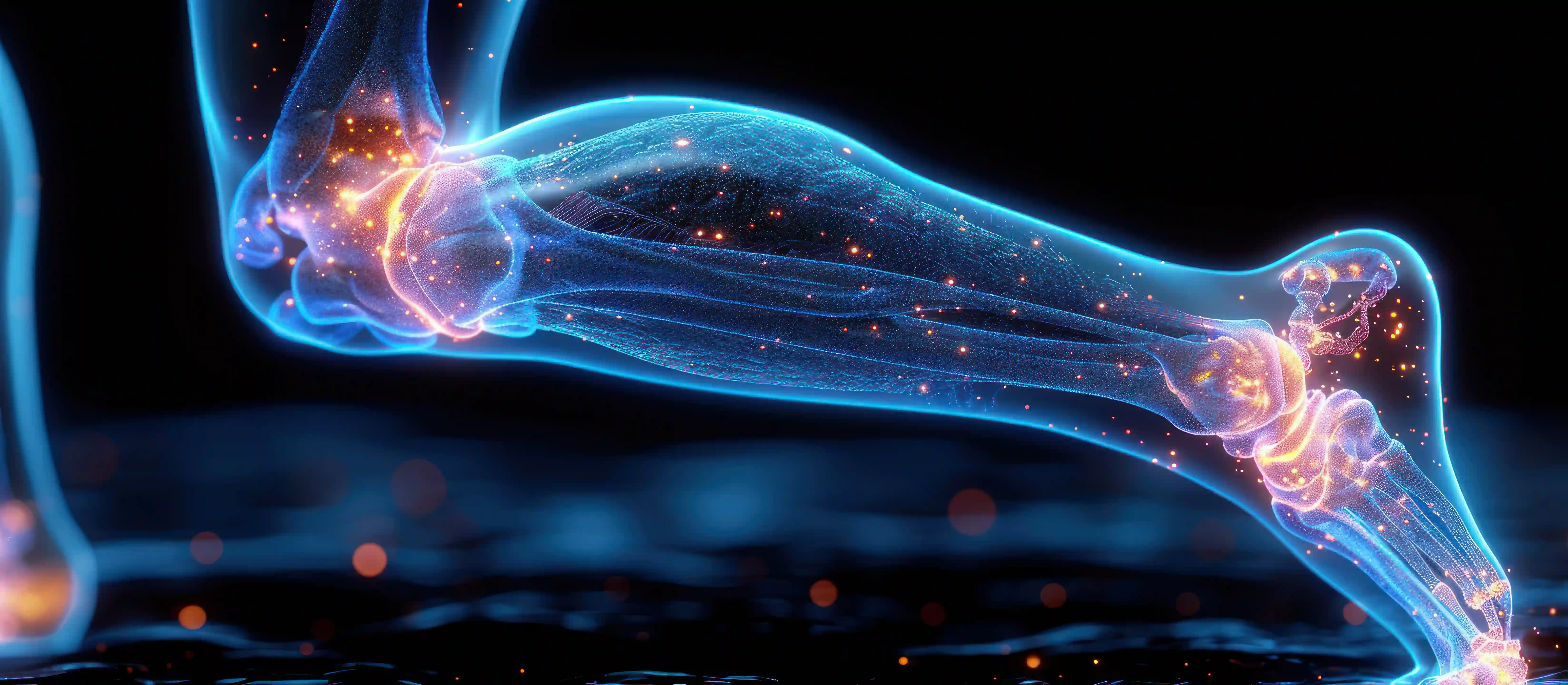
The Benefits of Silicon for Brain, Bones, and Heart Health
STUDY PUBLISHED IN NUTRITION TODAY
BY RESEARCHERS FORREST NIELSEN AND CAROL SEABORN
Forrest H. Nielsen, Ph.D. in biochemistry from the University of Wisconsin. He has been a research scientist at the U.S. Department of Agriculture's Nutrition Research Center since 1970. He has also been director of this center since 1985. He has spent the last few years analyzing the nutritional role of various trace elements in the human body.
ABSTRACT: Silicon, beneficial element for bones, brain and blood vessels? Nutrition Today, August 1993 by Carol D. Seaborn and Forrest H. Nielsen. Reading
For years we have had research indicating that silicon is essential for forming or maintaining healthy and normal bones, healthy brain and blood vessels, and its absence may be a trigger for some diseases related to these tissues.
This element deserves more attention from the clinical and scientific community. Many studies confirm the important role of silicon in preventing age-related chronic diseases.
Surprisingly, these reports have been ignored or considered of minor importance by clinicians. For 20 years the battle to restore silicon to its rightful importance has been led by Dr. Edith Carlisle. I recently decided to join the fight.
It has long been believed that silicon was likely to maintain health in humans. Louis Pasteur predicted that silicon would become a chemical element with therapeutic properties for many health-related problems.
There have long been many therapeutic successes in numerous pathologies, including atherosclerosis, hypertension, dermatitis, etc. with organic derivatives of silicon.
Silicon has properties that make it a possible structural or binding element in living organisms.
- Silicon influences bone and cartilage formation.
- It influences cardiovascular health.
- It influences brain health.
Find out more in our article on the lack of silicon in the body.
IMPORTANCE IN BONE AND CARTILAGE
- Essential for the formation of collagen. Activates prolyl hydroxylase.
- Essential for calcification.
- Necessary for bone formation
- Necessary for cartilage formation.
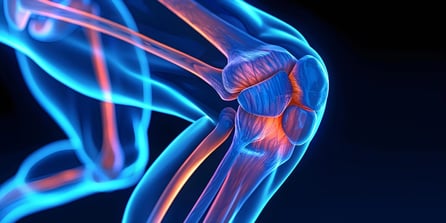
Present in glycosaminoglycans, silicon was reported in 1972 to be essential for bone formation. Analytical processes have shown that silicon combines with the glycosaminoglycans of different types of connective tissue and that it is involved along with phosphorus in the organic phase of calcification.
Silicon plays a role in the association between phosphoprotein-muco polysaccharide macromolecules and collagen, and plays an important role in initiating calcification and regulating the growth or accumulation of calcium crystals.
In recent years, a large number of extracellular matrix macromolecules containing glycosaminoglycans and saccharides have been discovered. Some of these macromolecules provide a link between cells and the extracellular matrix that enables cells to monitor the composition and properties of the matrix and to respond to its possible alterations by changing its synthetic activity. Silicon is necessary for this information exchange and thus affects cartilage composition and calcification.
In bone tissue in vitro, silicon is required for maximum activity of the enzyme prolyl hydroxylase. (Prolyl hydroxylase is an intracellular enzyme required for the synthesis and formation of the 20 known types of collagen. It works within the cell by modifying polypeptide chains to allow triple helix structures to form. Prolyl hydroxylase forms hydroxyproline and allows the formation of the collagen triple helix and its deficiency indicates fibrosis formation).
Recently we have found evidence that silicon affects local or circulating mediators of bone metabolism. These mediators extracted from bone stimulate bone cell proliferation, collagen synthesis and bone formation.
Based on substantial evidence accumulated to date, there is no doubt that silicon deficiency affects bone health.
Silicon affects the composition of cartilage, including articular cartilage, indicating that insufficient silicon absorption can lead to joint problems such as osteoarthritis.
Learn more about our products with silicon for joints, such as silicium G7 Original.
IMPORTANCE IN THE CARDIOVASCULAR SYSTEM
- Protection of the arterial wall
- Prevention of arteriosclerosis and cardiovascular diseases
- Hypotensive action
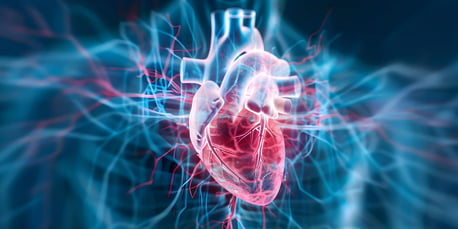
In 1974, Carlisle found that an insufficient intake of this element can contribute to atherosclerosis and hypertension, as well as bone problems and the aging process because blood vessels contain glycosaminoglycans and collagen, which are affected by an insufficient intake of silicon.
Not surprisingly, silicon has been linked to the maintenance of healthy blood vessels and the prevention of arteriosclerosis, an aspect already described as early as 1911 and confirmed since 1965.
French researchers have reported that the silicon content in a normal aorta decreases with age and that the concentration of silicon in the arterial wall decreases with the development of atherosclerosis. These changes occur in the mucopolysaccharide part and in elastin.
In Finland, the importance of silicon intake in preventing the onset of cardiovascular diseases has been demonstrated after studying the population and the type of water they drank (rich or not in silicon). In chronic hypertension, low rates of silicon and lower rates of collagen fibers in blood vessels have been observed.
Among the benefits of silicon is the prevention of atheroma, this is produced by ensuring the integrity of the elastic fibers and with this the impermeability of the arterial wall to lipid infiltration and calcium deposition.
IMPORTANCE IN THE BRAIN
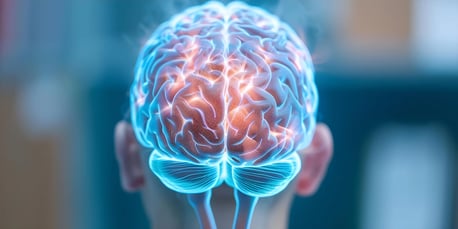
On the other hand, silicon is needed to prevent detrimental changes in the brain, especially in conditions of low calcium intake, high aluminum intake and/or inadequate thyroid function.
Thus silicon intake may be of importance in some aging and disease processes affecting the brain.
Get to know Silicium G7 Neurohealth
Absorption:
The form of dietary silicon determines its ideal absorption and bioavailability. In one study, humans absorbed only 1% of a dose of a silicate while 70% of a methylsilanotriol compound was absorbed.
He points out that although it is essential for human beings, the problem is its absorption and bioavailability: aging and a low level of estrogens decrease its absorption.
The refining of food reduces its silicon content. Most of the silicon present in food is not assimilated and the sources of silicon are unrefined grains with high fiber content, cereals and tubers.
CONCLUSION
The silicon content in human diets can easily be lower than recommended (foods of refined products and animal origin). Problems in animals due to silicon deprivation are worsened in certain conditions by lack ofcalcium, excess of aluminum or low estrogen level.
As these worsening factors are very frequently found in humans (such as low dietary calcium, high dietary aluminum and low estrogen status, menopause), then it is not surprising to find pathological conditions caused by silicon deprivation. Thus, silicon should be considered an important chemical element for humans.
