
Swollen Upper Eyelid: Causes, Treatment, and How to Prevent It
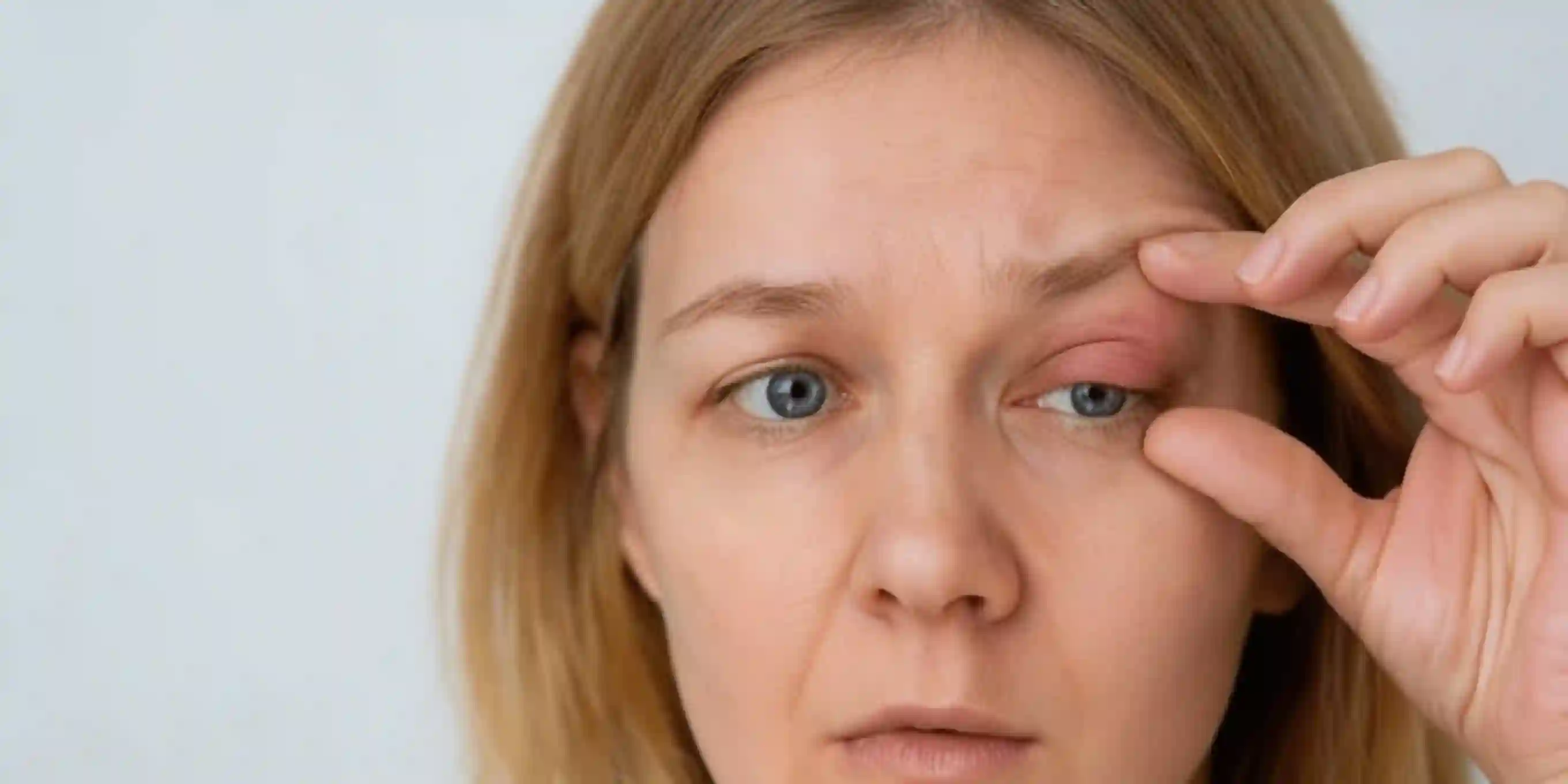
Swollen eyelids can have many causes. Most are not serious, but the symptoms may be due to a medical condition. Eyelid edema, or swelling of the eyelids, is an abnormal fluid accumulation that may be caused by allergies, infections or medical conditions.
Depending on the cause, symptoms may affect one eye or both. In some cases, a swollen eyelid can be treated with home remedies, such as a cold compress with chamomile to relieve symptoms. Even so, a visit to a healthcare professional is recommended to rule out other serious conditions or to treat an infection.
What happens when the upper eyelid is swollen?
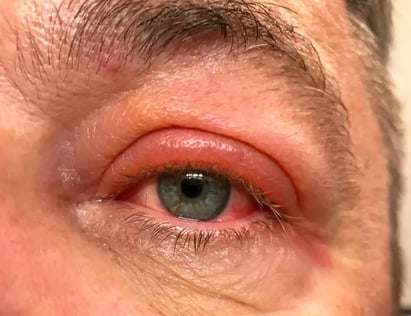
A swollen eyelid develops due to fluid accumulation or inflammation of the connective tissue surrounding the eye. Swollen eyes may or may not hurt, and this condition can affect both the upper and lower eyelid. When it is not a serious pathologic cause, the swollen upper eyelid can be treated at home for the most common causes.
A family physician or ophthalmology specialist can identify the cause of the swollen upper eyelid and recommend the most appropriate treatment in each case. If the swelling appears recurrently upon waking and is not linked to a clear infection or allergy, it may be due to factors such as fluid retention, sleeping position or accumulated fatigue - something we explain in detail in the article on what to do when you wake up with swollen eyes in the morning.
Why does the upper eyelid swell?
There are many causes that cause the upper eyelids to swell, from the most minor to those that can be dangerous to your eyesight or even your general health.
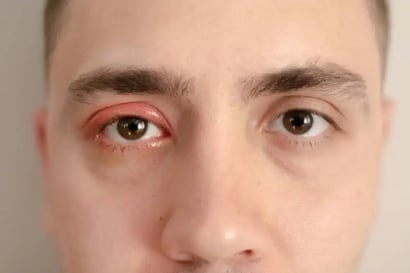
What disease causes swollen eyelids? Below we explain the causes that can lead to inflammation or edema (excess fluid) in the connective tissues surrounding the eye:
- Blepharitis: a disease of the eyelids that causes redness, thickening and crusting of the eyelids and eyelashes.
- Chalazion: a small, painless, firm lump that forms on the eyelid due to a blocked sebaceous gland. Also known as an eyelid cyst.
- Allergies: agents such as dust or pollen can cause the release of histamine which causes the eyelid to become inflamed.
- Contact lens wear: can cause infections if not properly disinfected.
- Conjunctivitis: it is an inflammation of the conjunctiva that covers the white part of the eye and the inside of the eyelid.
- Ocular herpes: It is caused by the herpes simplex virus (HSV). Treatment will depend on the severity of the infection and the part of the eye affected.
- Graves' disease is an autoimmune disease that causes the thyroid gland to produce too much thyroid hormone.
- Orbital and periorbital cellulitis are infections that affect the tissue and skin surrounding the eye, but differ in the area of the eye affected and the severity of the infection.
- Stye: a red, tender bump that forms on the eyelid due to a bacterial infection in a sebaceous gland. They can appear on the inside or outside of the upper or lower eyelid, near the base of an eyelash.
There are naturally occurring supplements that help protect your eyes, such as Silicium G7 Vision. Formulated with antioxidant ingredients such as resveratrol, myrtil, phenylalanine, vitamin C, bioflavonoids, selenium, Zinc, superoxide dismutase, zeaxanthin, glutathione, copper and vitamin A. This supplement helps to slow down ocular aging and contributes to protect the eyes against the aggressions caused by screens.
What are the symptoms of swollen upper eyelid?
Eyelid swelling or inflammation is a symptom that comes from an underlying cause, such as an allergy or infection. It is normal for an upper eyelid swelling to course with some of these symptoms:
- Sensitivity to light.
- Eye irritation, itching or stinging.
- Redness of the eyelid or the white part of the eye.
- Pain (in case of infection).
- Eye discharge.
- Obstruction of vision.
- excessive tear production
- Dryness or flaking of the eyelid.
What to do when you have a swollen upper eyelid?
If you are wondering what is good to do to reduce swelling of the upper eyelid, this will depend on what the cause is. The doctor or specialist will determine the most appropriate treatment in each case. These are the most common treatments:
- For infection (conjunctivitis, herpes...): antibiotics, antiviral ointment or ophthalmologic drops.
- For allergy: oral allergy medication or antihistamine eye drops.
In addition to the possible medications prescribed by your doctor, there are other guidelines and tools that will help you decrease upper eyelid swelling - General guidelines for deflating a swollen upper eyelid:
- Put a cold compress over your eyes.
- Stop wearing contact lenses until the eyelid swelling goes down.
- Do not rub your eyes.
If you want to help prevent many of these causes, such as allergies or ocular herpes, you need to care for and boost your immune system. To do this, supplements like Silicium G7 Defender can help. Formulated with the 17 most effective natural adaptogenic principles, it is a highly concentrated formula to help strengthen your defenses against external aggressions. In addition, it contains organic silicon that helps strengthen immune system cells and promotes cell renewal.
How do you prevent your upper eyelid from becoming inflamed?
- Choose fragrance-free and hypoallergenic beauty products.
- Perform tests to identify possible allergies.
- If you use eye drops, choose one that does not contain preservatives.
- If you use contact lenses, you should maintain proper hygiene, both in your hands and in the case where they are kept.
When to worry about a swollen eye? When to see a doctor
It is important to see your doctor for an eye examination if you experience any of the following problems with swollen eyelids:
- Symptoms persist for more than 48 hours.
- Eye movement becomes difficult.
- Eyelid swelling does not go away with home remedies.
- Discomfort does not disappear or intensifies.
- Small lumps appear in the area of the swollen eyelid.
- Vision worsens or changes.
- Black spots appear and may even move in the vision.
Swollen upper eyelid: pay attention to this symptom to solve it.
Home remedies can help you to reduce swelling of the upper eyelid. Putting a cold compress or a tea bag over the eye can help relieve swelling. You can also use a 100% natural isotonic saline solution such as Quinton Eye Health when there is discharge.
However, if the swelling does not improve within a few days, it is advisable to see a doctor to determine a diagnosis and the most appropriate treatment.
