
Saturated and unsaturated fats: What are they, and how do they differ?
Have you ever heard of saturated and unsaturated fats, but don't know how they differ? Don't worry, now we'll answer all your questions! Although their names may give rise to confusion, the truth is that they hardly differ from each other. Both fulfill an essential function in the normal functioning of the organism, but they behave in a very different way.
If you want to follow a healthy and balanced diet, it is essential that you begin to distinguish between these two types of fats since some are harmful to health and the other, on the other hand, although they should not be abused, are necessary for good health. Therefore, in this article, we will explain what saturated and unsaturated fats are, what foods contain them, how they differ and how they influence our health.
What are saturated and unsaturated fats?
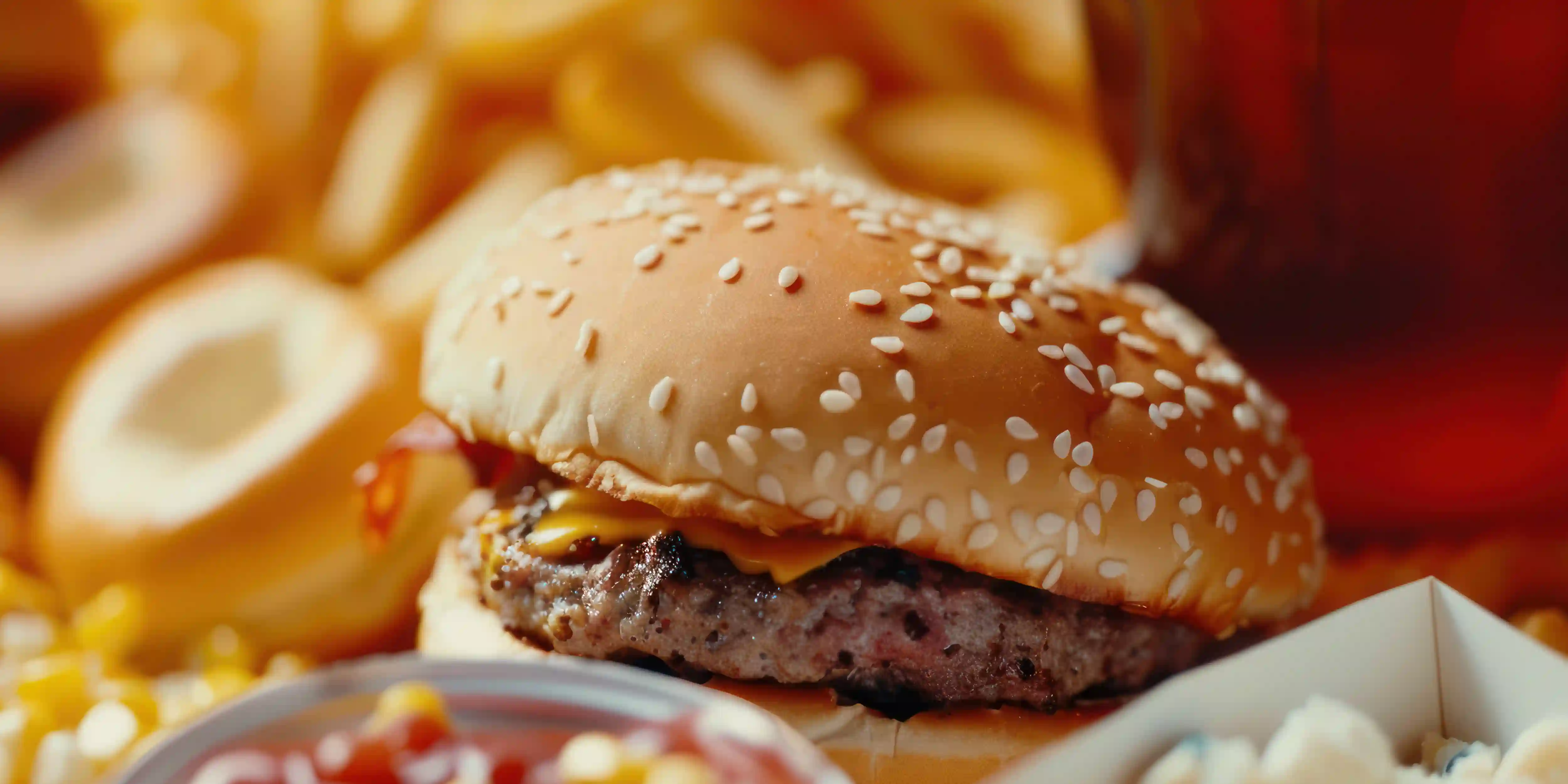
Before knowing the main differences between the two, it is important to define each of them. Saturated fats are a type of fatty acids that do not have double bonds between carbon atoms, are flexible and, in addition, at room temperature have a solid state. Most of these fats are obtained from foods of animal origin, but they are also present in vegetable foods, such as palm oil.
Their main function is to provide the body with energy, to ensure the absorption of fat-soluble vitamins such as vitamin A, D, E and K, and to maintain the appearance of the skin and hair. However, one of the consequences of its consumption is an increase in LDL cholesterol levels (bad cholesterol) and, therefore, an increase in the possibility of suffering from cardiovascular diseases. For this reason, it is recommended that its consumption should not exceed 10% of daily calorie intake.
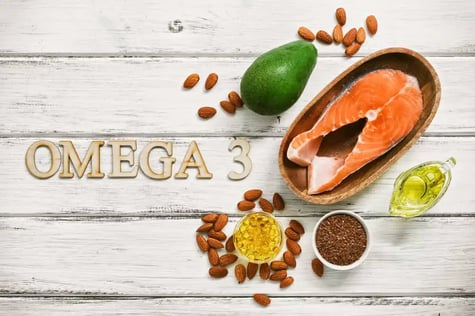
To prevent cardiovascular diseases, start by changing your diet, following a healthy and balanced diet, but you can also help take care of your heart with G7 OrgonoCol capsules composed of red rice yeast with Monascus purpureus strain extract, grape extract and Omega-3.
Unsaturated fats do have one or more double bonds in their carbon chain. This type of fat is classified as monounsaturated or polyunsaturated depending on the number of double bonds in the fatty acid. Their state is usually liquid and most of them are of vegetable origin.
These fatty acids have great health benefits as they help reduce LDL cholesterol levels and therefore promote better heart health.
Foods with saturated and unsaturated fats
To learn how to distinguish saturated and unsaturated fats, let's find out which foods contain these types of fatty acids:
Some foods that contain saturated fats are:
- Beef, lamb and pork.
- Processed meats, such as sausages or cured meats.
- Fatty cheeses.
- Processed foods.
- Chicken skin.
- eggs
- butter
- Lard
- Coconut and palm oil
- Chocolate.
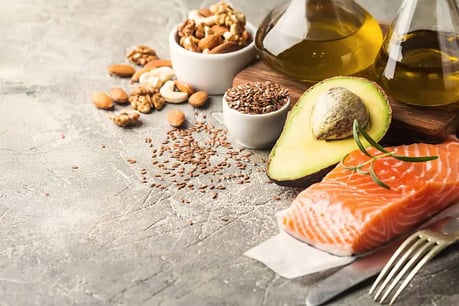
On the other hand, those foods with unsaturated fats are:
- Olive oil
- Avocados
- Nuts, such as almonds, hazelnuts, pistachios...
- Olives
- Fish, such as salmon, sardines, mackerel...
- Vegetable oils, such as sunflower oil, corn oil...
- Seeds, such as linseed, pumpkin...
- Soybeans and other by-products, such as tofu or soy beverage.
Main differences between saturated and unsaturated fats
Although they may seem to be the same, the truth is that saturated and unsaturated fats have important differences, such as:
- Saturated fats, in their molecular structure, there are carbon bonds with hydrogen which makes them to be in solid state at room temperature. On the other hand, unsaturated fats have unsaturated carbon bonds and, therefore, their state is liquid at room temperature.
- The former are of animal origin and the latter come from vegetable foods or fatty fish.
- Consuming a lot of saturated fats can lead to an increase in LDL cholesterol levels in the blood, while unsaturated fats help to lower bad cholesterol and raise HDL cholesterol.
- Saturated fats tend to be stored in our body, unsaturated fats, when ingested in the right amounts, are not stored.
Undoubtedly, understanding how they differ is essential to make healthier choices and follow a balanced diet that will help us achieve our goals, as well as to learn how to keep bad cholesterol at bay.
What are trans fats? 4 consequences of their consumption
In addition to the two varieties of fats we have already discussed, there are also trans fats, a type of unsaturated fat with double bonds in the trans position. These have been created by an industrial process called hydrogenation by which solid fats are obtained.
Thanks to this hydrogenation, more stable oils are obtained, which can therefore be handled more easily. In spite of being an unsaturated fat, the way it is obtained makes it unhealthy and it is for this reason that the World Health Organization advises that only 1% of total fats should be trans fats. The reason? The way they are obtained makes them behave as if they were saturated fats instead of unsaturated fats.
Some foods rich in trans fats are the following:
- Cakes
- Prepared or precooked foods.
- Snacks such as potato chips.
- Industrial pastries
- Fried foods
- Breaded
- Ice cream
- Cakes
4 consequences of taking trans fats
Taking trans fats would be similar to having an excessive consumption of saturated fats and, therefore, can lead to the following consequences:
- It raises LDL cholesterol, but in addition, it reduces the amount of HDL cholesterol.
- It raises blood pressure.
- Increases the risk of heart attacks and strokes.
- Increased body weight because it provides many calories but not satiety.
One way to prevent fats from accumulating in our body in the form of adipose tissue and can cause diseases such as diabetes, obesity or heart disease, it is essential to practice sports on a regular basis. However, it is also important to learn to distinguish between saturated and unsaturated fats, as their behavior in our body is totally different. In fact, it is important to ingest (in the right amounts) healthy fats for the proper functioning of our body.
