
Onychoschizia or brittle nails: what it is and how to treat it
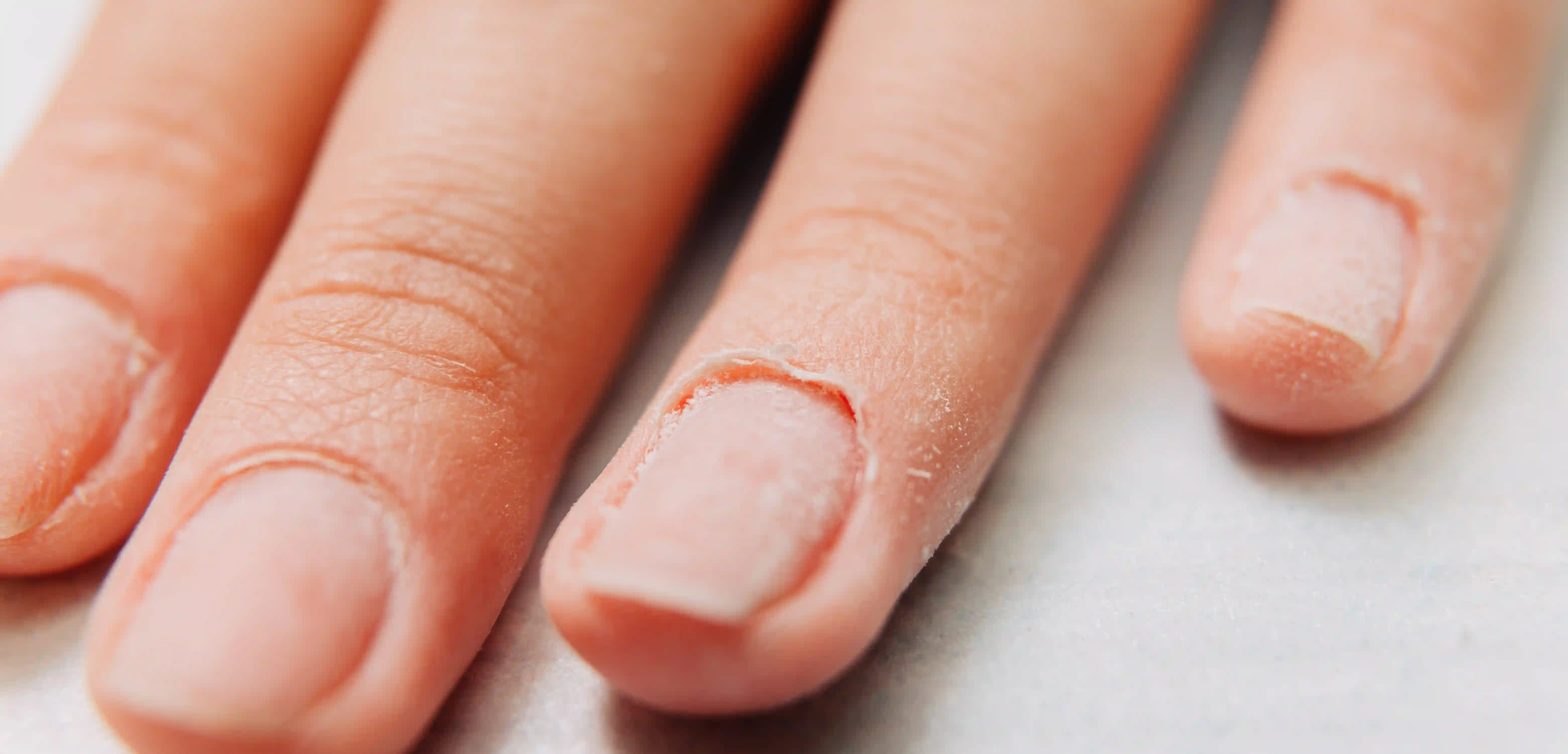
Onychoschisis, or brittle nails, is a nail disorder characterized by the separation in layers of the free edge of the nail plate. This problem affects both fingernails and toenails and is one of the most common conditions seen in dermatological consultations.
Although it may appear to be a purely cosmetic problem, onychoschisis can be indicative of a number of internal and external factors that affect a person' s overall health. Hence the importance of understanding what it is, what causes it and what to do about it.
What is onychoschizia?
Onychoschizia is a nail disorder that manifests itself as a noticeable brittleness of the nails. It is characterized by the splitting of the free edge of the nail into horizontal layers . This problem affects both fingernails and toenails and can occur in one or more nails at a time.
People suffering from onychoschisis often notice that their nails break easily, a situation that causes them discomfort and aesthetic concerns. In any case, this condition is quite common, especially among women and older people, who are more predisposed due to hormonal factors and the natural aging of the nails.
It should be noted that onychoschisis is not only an aesthetic problem, but can also be indicative of other underlying conditions, such as nutritional deficiencies or exposure to aggressive chemicals. Hence the importance of its identification and proper treatment.
Causes of onychoschizia
Onychoschizia can be triggered by a combination of external and internal factors. Understanding these causes is essential in order to adequately address the problem and prevent its occurrence. Let's look at the different factors that contribute to onychoschizia, both external and internal.
External factors
External factors are those related to the environment and daily practices that can weaken the nails. These are the most prominent:
- Prolonged exposure to water: constant alternation between moisturizing and drying can weaken the nail structure, making it more prone to splitting.
- Use of solvents and harsh chemicals: frequent contact with these products dehydrates the nail plate, which can make it brittle.
- Improper manicuring practices: incorrect techniques and the use of aggressive tools can cause damage to the nails, contributing to onychoschisis.
- Repetitive physical trauma: constant blows or pressure on the nails can weaken their structure, increasing the risk of fractures.
- Chemical or physical damage: the use of cosmetic lacquers, gel nails and other aggressive treatments can aggravate nail fragility.
Internal factors
Internal factors refer to aspects of general health that affect nail strength from within. The most important are the following:
- Nutritional deficiencies: lack of essential nutrients such as iron, zinc, biotin, and vitamins A and C can weaken nails and make them more prone to damage.
- Systemic diseases: conditions such as thyroid disease, psoriasis and eczema have a direct impact on nail health, weakening them significantly.
- Use of certain medications: some treatments, especially oncological chemotherapy, can have side effects that affect nail integrity.
- Age-related physiological changes: as we age, nails tend to become more brittle due to natural changes in the body's physiology, thus increasing the risk of onychoschisis.
Symptoms of onychoschizia
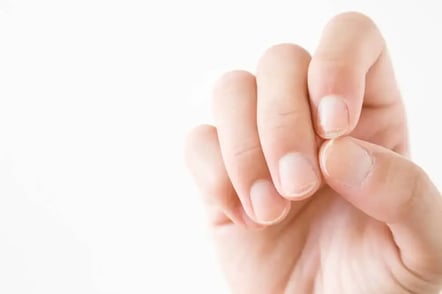
Onychoschizia manifests itself mainly through the splitting of the free edge of the nail into horizontal layers. In fact, this is the most obvious symptom of this condition. This splitting creates a layered nail appearance, where the nail plate is visibly split, compromising the integrity of the nail.
On the other hand, people suffering from onychoschizia often notice that their nails are much more brittle and break easily. This situation, in addition to the fact that it can lead to frustration, also often causes and aesthetic concern. In addition, nails affected by this condition tend to lose their natural shine and, consequently, take on a dry, dull appearance that is easily recognizable.
As for common symptoms, one of the most characteristic is the visible separation in layers, where the different layers of the nail are clearly separated. In more severe cases, those affected may experience pain or discomfort when touching or wearing the weakened nails, so that it can make everyday activities difficult.
Treatment of onychoschizia
Onychoschizia treatment focuses on strengthening the nails and preventing the factors that contribute to brittleness. The good news is that by implementing preventive measures and proper care, it is possible to reduce symptoms and improve nail health. Let's look at some effective strategies for treating and preventing onychoschisis.
Preventing trauma
To begin with,avoid using the nails as hand tools. Actions such as opening cans, scratching surfaces or performing similar tasks can cause damage to the nail plate. This aggravates nail fragility. Keeping the nails protected from these types of trauma is a key step in preventing onychoschisis.
Protection and care
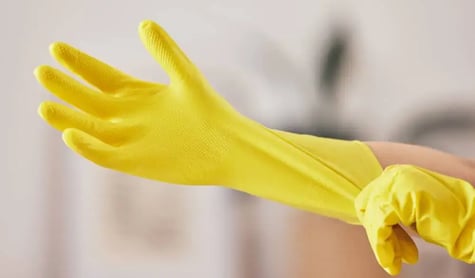
A very useful strategy is to wear gloves when handling detergents and other chemicals. Coated cloth gloves or rubber gloves provide a protective barrier that helps prevent dehydration and chemical damage that can further weaken nails. This daily protection helps to maintain nail health.
Moisturizing and Nutritional Supplements
Applying moisturizers regularly to the nails and periungual tissue helps maintain flexibility and prevent dryness, which can contribute to nail splitting. In addition, specific vitamin supplements, such as those containing biotin, iron and zinc, can help strengthen nails from within and promote healthy, resilient growth.
Onychoschizia is a common problem that can be easily treated.
Onychoschizia, although a common problem, does not have to be a constant source of concern. By taking the right steps, it is possible to keep nails strong and healthy, even if signs of brittleness are already present. The key is to take a proactive approach to nail care, including avoiding known risk factors, such as the use of harsh chemicals and repetitive trauma, and focusing on practices that strengthen the nail structure, such as regular hydration and nutritional supplementation.
