

Bloated Stomach: What Is Abdominal Distension or a Swollen Stomach?
Abdominal distension is a fairly common problem that affects people of all ages and consists of an uncomfortable feeling of bloating or fullness in the abdomen. This discomfort can be related to a variety of factors, such as eating habits or more serious digestive problems. Although it can affect both men and women, it is more common in women due to hormonal and digestive factors. In many cases, small adjustments in diet and lifestyle can help relieve bloating, but if symptoms persist, it may be indicative of a more serious condition.
What is abdominal bloating?
Abdominal distention is a condition characterized by a feeling of bloating or fullness in the abdomen. This discomfort can vary in intensity and is often accompanied by symptoms such as abdominal pain, gas or a feeling of pressure in the area. Although often temporary and related to digestion, it can become a persistent problem if the underlying causes are not adequately addressed.
How abdominal distention manifests itself
Abdominal distention occurs when the abdomen feels full or bloated. It is often accompanied by gas or mild pain. This discomfort may be due to a buildup of air or gas in the digestive tract, or problems with the digestion of certain foods. In some cases, bloating may be visible and even cause discomfort.
It is important to note that bloating can occur at any age and in anyone, although it is more common in people with digestive problems or food intolerances.
Differences between bloating and distension
Although often used interchangeably, bloating and distension are not the same.
Bloating refers to a feeling of fullness or increased volume in the abdomen, while distention involves a visible expansion of the abdomen.
In addition, bloating is usually temporary and can be related to heavy meals or unhealthy eating habits, while distension is a more persistent problem that is often associated with gas buildup, chronic digestive problems, or even more serious diseases, such as irritable bowel syndrome.
The point is that identifying whether it is bloating or distension helps define the appropriate treatment.
Main causes of distended abdominals
Abdominal distension can have multiple causes, such as digestive problems or improper eating habits. The point is that the exact cause must be identified in order to treat it effectively. Let's take a look at the main causes of this condition.
Air and gas accumulation
One of the main reasons behind abdominal bloating is the accumulation of air or gas in the digestive system. This can occur when we swallow air by eating too fast, chewing gum or consuming carbonated beverages. Gas can also form due to the fermentation of certain foods in the intestine, such as legumes, cabbage and whole-grain foods. This accumulation of gas causes the abdomen to expand, which in turn causes bloating and, in some cases, pain.
Therefore, reducing the consumption of gas-producing foods and eating more slowly are important steps to avoid this problem.
Digestive problems
Digestive problems, such as irritable bowel syndrome (IBS), gastroesophageal reflux disease (GERD) and food intolerances (e.g., lactose or gluten), are common causes of bloating.
In people with IBS, the intestine does not function properly, resulting in gas accumulation, pain and changes in bowel habits. In the case of intolerances, certain foods are not digested properly, resulting in gas and discomfort.
In any case, these conditions require a medical diagnosis and are usually treated with dietary changes and, in some cases, specific medications.
Inadequate eating habits
Eating too fast, consuming large portions or having a diet rich in ultra-processed foods are factors that contribute to abdominal distension.
Keep in mind that overeating overloads the digestive system. This causes the stomach to expand more than normal. In addition, processed foods often contain high levels of saturated fats, sugars and sodium, which can slow digestion and increase gas accumulation.
Therefore, adopting healthy habits, such as eating slowly, reducing portions and opting for fresh, natural foods, helps reduce bloating.
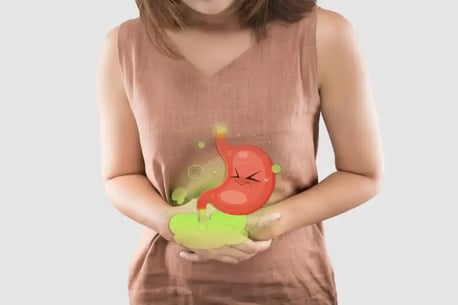
Common symptoms associated with distended abdominals
Bloated abdominals not only cause the feeling of bloating, but are often accompanied by other symptoms that can vary in intensity. These symptoms range from mild discomfort to considerable pain. Recognizing them will help you identify the cause. In any case, it is important to consult a physician for an accurate diagnosis and appropriate treatment.
Abdominal pain and gas
One of the most common symptoms associated with abdominal distention is pain or discomfort in the abdominal area, which is often accompanied by an accumulation of gas. The pain may feel like uncomfortable pressure or even cramping in some cases. This discomfort is usually related to the accumulation of air in the intestine, which causes the abdomen to expand.
The release of gas, either by belching or flatulence, often temporarily relieves the pain, but is not always enough to solve the problem. The use of digestive infusions or gentle exercises can help reduce both the pain and the accumulation of gas.
Feeling of fullness
A feeling of fullness in the abdomen, even after eating moderate amounts of food, is another common symptom of bloating. This sensation can make people feel uncomfortable or avoid eating for fear of worsening bloating.
Fullness is often related to slow digestion or intestinal motility problems, which prevent food and gas from moving efficiently through the digestive system. In some cases, fullness can last for several hours after meals, resulting in prolonged discomfort.
Eating smaller meals and chewing slowly may be key to minimizing this symptom.
Other symptoms to consider
In addition to pain and fullness, bloating may present with other symptoms such as bowel sounds, nausea and even constipation or diarrhea. These symptoms can vary depending on the underlying cause of the bloating. Bowel sounds, known as bloating, are caused by the movement of fluid and gas through the intestine, while nausea may arise due to the accumulation of gas pressing on the stomach.
If these symptoms are persistent or are accompanied by more serious signs such as weight loss or blood in the stool, it is important to seek medical attention for a proper diagnosis.
Abdominal distention due to anxiety
Abdominal distention is not only linked to physical factors, but also emotional factors, such as anxiety. The connection between the mind and the digestive system is close. In fact, stress can trigger or aggravate bloating. Many people who suffer from anxiety also experience digestive symptoms, including bloating, as part of the body's response to stress.
How anxiety affects the digestive system
Anxiety activates the sympathetic nervous system, which is responsible for the "fight or flight" response. When this occurs, the normal function of the digestive system is disrupted. The digestion process slows down or, in some cases, speeds up, resulting in inefficient digestion.
This can lead to gas accumulation and a feeling of fullness in the abdomen. In addition, anxiety can increase sensitivity to digestive sensations. This causes mild symptoms such as gas to be perceived as more intense.
At this point it should be kept in mind that this vicious circle between anxiety and digestion can worsen over time if not properly managed.
Relationship between anxiety and abdominal distension
The relationship between anxiety and abdominal distension is complex. Anxiety can lead to changes in eating habits, such as eating too fast or skipping meals, which aggravates bloating. In addition, anxious people tend to swallow more air, a condition known as aerophagia, which increases the amount of gas in the digestive tract.
Stress can also worsen pre-existing health problems, such as irritable bowel syndrome, which intensifies bloating symptoms. Therefore, anxiety sufferers often find that their digestive problems become more pronounced during periods of stress.
Techniques for managing bloating caused by anxiety
Tackling anxiety-related bloating requires a two-pronged approach: addressing both the emotional factor and the digestive symptoms.
Stress management techniques, such as meditation, yoga and deep breathing exercises, can help reduce anxiety and thereby reduce physical symptoms.
In addition, it is important to adopt healthy eating habits, such as eating slowly and avoiding gas-provoking foods, to reduce bloating.
In more severe cases, cognitive behavioral therapy (CBT) can be helpful in identifying and modifying thought patterns that contribute to anxiety, helping to alleviate associated digestive symptoms.

Treatments and tips for preventing bloating
There are several effective strategies for preventing and treating bloating, many of which focus on making simple dietary and lifestyle changes. However, while the causes of bloating can vary, most cases can be managed with modifications in eating habits, increased physical activity and stress management. Let's take a look at the key measures you can implement to reduce bloating symptoms.
Dietary modifications
One of the first steps in treating bloating is to adjust your diet. Eating slowly and chewing your food well helps to reduce the amount of air you swallow. This can reduce the accumulation of gas in the digestive system.
In addition,identify foods that may be causing bloating, such as legumes, broccoli, cabbage or foods rich in non-fermentable fiber. These tend to generate gas during digestion.
Finally, do not forget the need toreduce consumption of ultra-processed foods and opt for more natural options, such as fresh fruits and vegetables, which can also help maintain healthy digestion and prevent bloating.
Lifestyle changes
Lifestyle is another must for preventing bloating. For starters, regular exercise helps improve intestinal motility. In fact, exercise facilitates the expulsion of gas and prevents it from accumulating in the digestive system. Activities such as walking after meals or practicing yoga can be particularly beneficial.
In addition, it is important to avoid habits such as smoking, which increases air intake, and to limit the consumption of carbonated beverages and alcohol, which contribute to bloating.
Remember that maintaining a balance between physical activity and rest also helps keep the digestive system functioning properly.
Natural and medical treatments
If diet and lifestyle changes are not enough to relieve bloating, another solution is to opt for natural and medical treatments that may be helpful. Herbal teas such as peppermint or ginger have carminative properties, which help relieve gas and bloating. You can also opt for Organic Silicon, which helps improve digestion and reduce swelling in the abdomen. We recommend the liquid format because it is digested faster.
In addition, Organic Silicon promotes regeneration of connective tissue, so it can help improve long-term intestinal health by strengthening intestinal walls and preventing intestinal permeability. It also has antioxidant properties, which help reduce oxidative stress in the digestive system, thus improving the overall well-being of the gastrointestinal tract.
In addition, enzyme supplements, such as simethicone, can help break down gas trapped in the intestine. In cases of food intolerances or digestive conditions such as irritable bowel syndrome, it is important to work with a physician or nutritionist to identify and adjust the diet according to individual needs.
When to see a physician
Although bloating is usually harmless and resolves with diet and lifestyle changes, in some cases it may be a sign of a more serious health problem. Hence the importance of seeing a doctor if symptoms are persistent or accompanied by other warning signs, such as unexplained weight loss, blood in the stool, fever, or severe abdominal pain. These symptoms could indicate serious digestive problems such as intestinal obstruction, inflammatory bowel disease, or even cancer.
If bloating does not improve with a night's rest or after modifying eating habits, the physician may perform specific tests to identify the underlying cause, such as blood tests, imaging studies, or tests for food intolerances. In some cases, treatment may require specific medications or even more complex interventions, depending on the diagnosis.
