
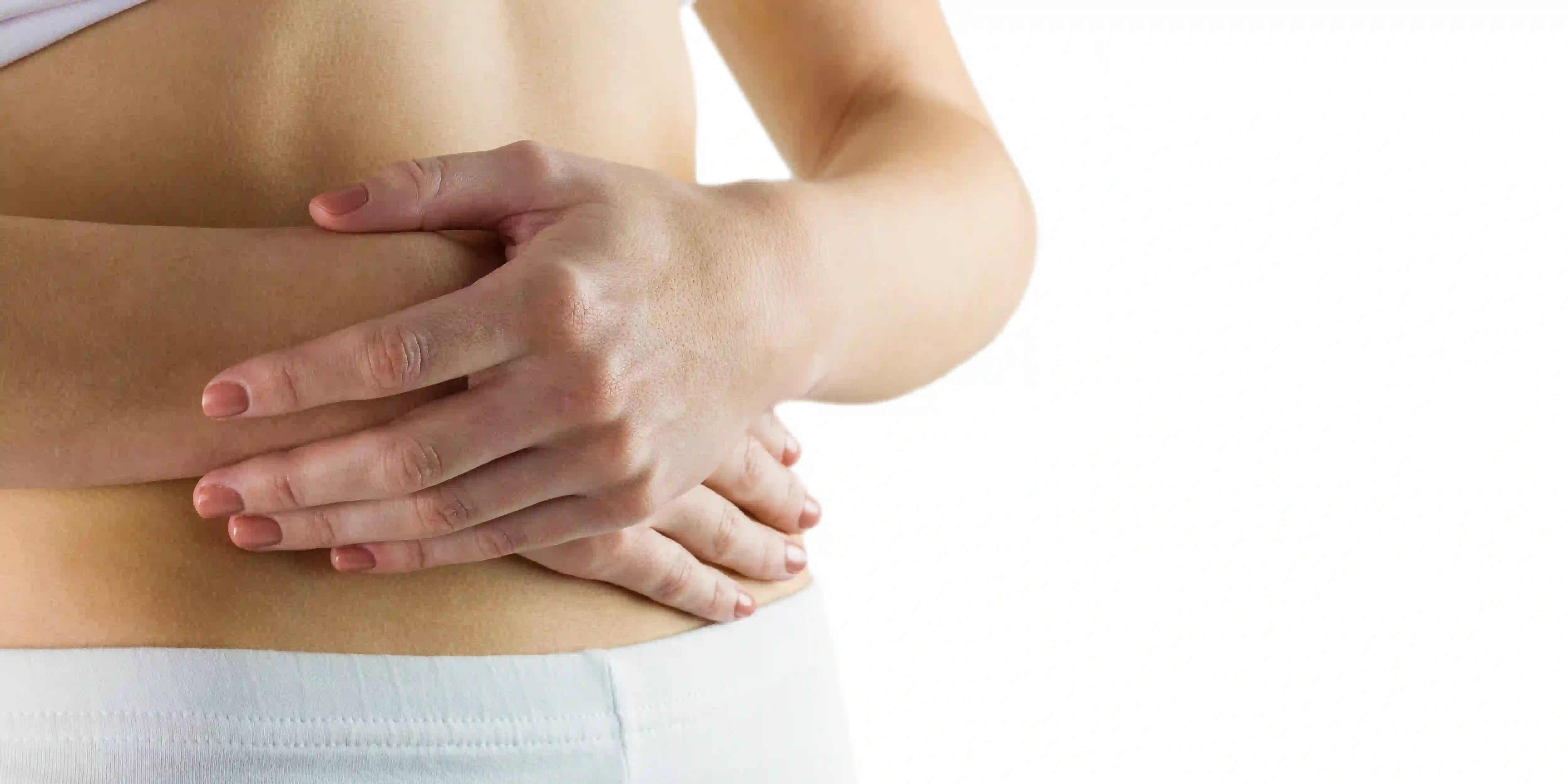
A swollen, hard lower abdomen: What causes it?
A bloated and hard lower abdomen is like a distended abdomen, it is more swollen than normal and is often accompanied by a feeling of gas and discomfort. However, abdominal distention does not always occur because of digestive problems. However, when the lower abdomen is chronically bloated and hard, it is advisable to consult your doctor to rule out other possible conditions.
In this article we address one of the most common digestive symptoms: bloated and hard belly, what does it mean? What can be its causes? In addition, we discuss possible treatment tools and when to see your doctor to confirm your diagnosis.
Common causes of swelling in the lower abdomen
A swollen abdomen is often uncomfortable and even painful. A swollen abdomen is common and can be due to a number of causes.
Sometimes the explanation can be as simple as overeating or drinking carbonated beverages, which would be an easy problem to solve. However, there are also other more important causes, such as inflammatory bowel disease. Below we are going to talk about the possible causes of feeling bloated and hardbelly:
- Constipation: can result in an uncomfortable feeling of being too full or bloated, in addition to a hard stomach.
- Overeating: Eating too much or too fast can cause a bloated, hard stomach. The discomfort usually subsides as digestion occurs. However, if this habit becomes chronic, the discomfort also becomes chronic and can lead to other more serious conditions.
- Carbonated beverages: The gases accumulated by drinking a soft drink too quickly can cause these symptoms.
- Food intolerance: When there are problems digesting certain foods, as is commonly the case with dairy products due to lactose intolerance, consuming them can cause a swollen and hard lower abdomen.
- Diverticulitis: This is an inflammation and infection of the digestive tract, which can also cause bloating and a hard lower abdomen.
- Gastritis: This is an inflammation of the stomach caused by a stomach ulcer or infection by the bacterium Helicobacter Pylori. The most common symptoms are pain, hard stomach and bloating.
- Stomach cancer: Also called gastric cancer, it usually affects the lining or muscular walls of the stomach. Although it is a rare cancer, it can cause this symptomatology.
- Irritable bowel syndrome (IBS): Can cause a variety of symptoms such as bloating, gas, cramping and abdominal pain.
- Inflammatory bowel disease (IBD): Such as ulcerative colitis and Crohn's disease, which can cause abdominal bloating and cramping that can make the stomach hard.
- Bacterial overgrowth (SIBO): The abdomen can become bloated when there is an overgrowth of normal bacteria in the small intestine. This can lead to increased gas production, dilating the small intestine and bloating the abdomen.

When to seek medical attention if I have a bloated lower abdomen?
Occasional bloating, as often occurs after a large meal, is not usually a cause for concern.
However, remember that it is important to see your doctor before starting treatment. A diagnosis and assessment of your symptoms will be made at the consultation to determine the cause of your swollen and hard belly. In this way, your doctor will be able to prescribe the most appropriate treatment for you.
Pay attention to these symptoms and ask for a consultation with your doctor if you notice any of them:
- Stomach bloating that does not go away or worsens over the hours.
- Stomach area sensitive to touch.
- Diarrhea.
- Blood in the stool.
- Fever.
- Inability to drink or eat normally.
- Vomiting or nausea.
- unintentional weight gain or loss.
- fatigue
- excessive gas or belching
- Changes related to menstruation.
In the case of women 55 years of age and older, or who perceive abdominal distension along with symptoms such as difficulty eating, abdominal pain, pelvic pain or back pain, they should see their doctor for an evaluation and to rule out pathologies such as ovarian cancer.
When you visit a specialist, in addition to a physical examination and assessment of your answers about your symptoms, the doctor may order imaging tests such as an abdominal computed tomography (CT) scan , an ultrasound or an X-ray. He or she may also order a colonoscopy to see the inside of the intestines, a blood test, a breath test or a stool test. Tests will be ordered depending on your symptoms and the suspected cause.

What can you do to relieve lower abdominal bloating?
There are many ways to treat the symptoms of a bloated, hard belly. The treatment guidelines chosen will depend on the cause:
- Eating habits: eating smaller, more frequent meals, chewing food well and eating slowly helps relieve a bloated belly. It is also recommended to avoid foods and beverages that cause gas, such as legumes, cruciferous vegetables, and carbonated beverages.
- Physical exercise: Regular exercise can help digestion and abdominal bloating.
- Hydration: Drink enough water. As a general guideline, about 2.5 liters of water per day.
- Stress: Reducing stress and anxiety can help a lot in pathologies such as irritable bowel syndrome (IBS).
- Supplements: Turmeric, chamomile and fennel, L-glutamine, or digestive enzymes can help with bloating. Taking one supplement or another will depend on what the cause is. It is important to keep in mind the important relationship between the immune system and the digestive system. A hyperpermeable intestine affects our immunity. Thanks to its formulation with silicon and more than 17 natural adaptogenic active ingredients, supplements such as G7 Defender help to strengthen the body's defenses and capacity to face adverse situations.
- Diuretics: If rest and sodium reduction do not help, the doctor may prescribe diuretics to help the kidneys eliminate excess fluid.
- Medications: Prescription drugs for certain pathologies.
- Neuromodulators: Antidepressants and other central neuromodulators can help with swelling by reducing visceral hypersensitivity.
In any case, your doctor will be the one to decide which treatment is most appropriate for you depending on the cause of your symptoms.
Swollen and hard belly: abdominal distention has a solution
Abdominal distention manifests itself as a swollen and hard lower abdomen. When bloating occurs only occasionally, it is most likely due to gas or large meals. But if the abdomen is bloated on a long-term basis, it is usually due to digestive disorders, intestinal bacterial overgrowth, food intolerances or ascites, among other causes.
There is no single specific treatment for abdominal bloating; symptoms will be treated depending on the underlying cause. A treatment plan may include dietary and lifestyle recommendations and changes, medication and physical exercise. It is important to visit your physician for a diagnosis before treatment is initiated.
A hard lower abdomen usually indicates abdominal bloating, which may be due to gas, constipation, overeating, food intolerances or digestive inflammation. If it is chronic or accompanied by pain, diarrhea, vomiting or bleeding, it is important to consult a physician to rule out more serious conditions.
To deflate the lower abdomen it is recommended to: eat smaller portions and slowly, avoid foods and beverages that produce gas, stay well hydrated, exercise regularly and reduce stress. Digestive supplements or medication may also help depending on the cause, always under medical supervision.
