
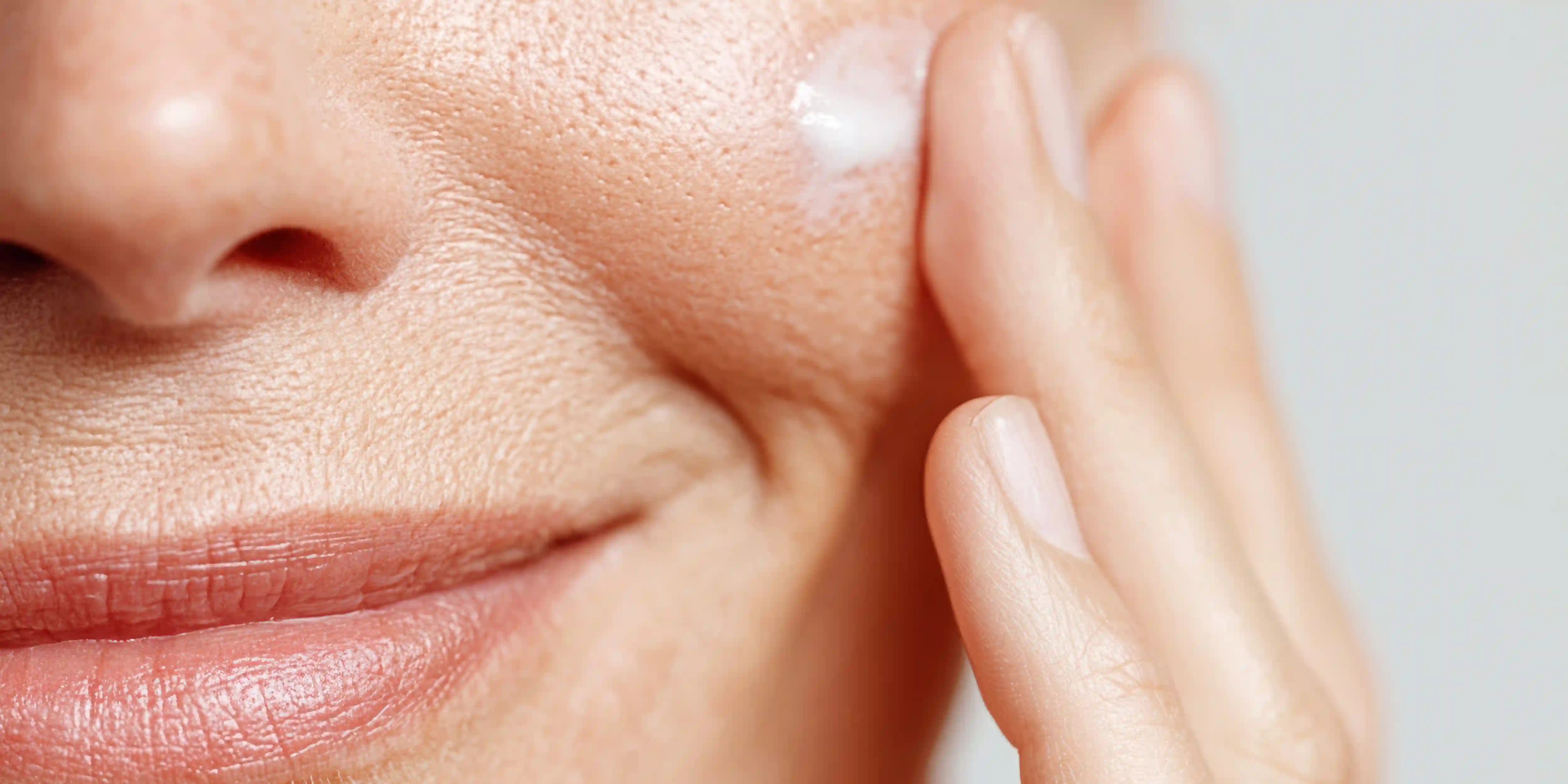
What Is Urea Good For on the Skin: Key Facts and Benefits
Have you ever wondered what urea is used for in the skin? Surely you have seen this ingredient in dozens of cosmetics. You should know that urea, commonly associated with urine, is a chemical compound naturally present in our body and with multiple benefits for the skin. In fact, this organic compound, chemically known as carbamide, is a powerful moisturizer found both in nature and in numerous cosmetic products. We tell you about it in detail below.
What is urea?
Urea, whose chemical formula is CO(NH2)2, is an organic compound that plays a vital role in both natural and industrial processes. This compound is notable for its high solubility in water and its hygroscopic properties. That is, its ability to attract and retain moisture from the environment. These characteristics make urea a valuable ingredient in numerous products, especially in skin care.
Urea is produced naturally in the human body as part of the urea cycle. This is a metabolic process that helps eliminate excess nitrogen. This cycle is essential for converting ammonia, a highly toxic substance, into urea, which is much less harmful and is easily excreted by the kidneys through the urine. The efficiency of this cycle is vital to health. In fact, its proper functioning is an indication of a balanced metabolism.
In parallel, at the industrial level, urea is synthesized on a large scale using ammonia and carbon dioxide under conditions of high pressure and temperature. This method, known as the Bosch-Meiser process, allows the production of urea in solid form, which is subsequently used in agriculture as a fertilizer and in cosmetic and dermatological products for its moisturizing and keratolytic properties.
In cosmetics, synthetic urea is added to creams and lotions because of its ability to intensely moisturize and improve skin texture. As a component that mimics naturally produced urea in our skin, its integration into personal care products helps to reinforce the skin barrier and keep the skin soft and supple.
Benefits of urea for the skin
Urea is a common ingredient in many skin care products due to its multiple dermatological benefits. This compound not only improves the look and feel of the skin, but also contributes significantly to its overall health.
Deep hydration
One of urea's most celebrated roles in skin care is its ability to provide deep hydration . It functions as a humectant, meaning that it attracts and retains moisture from the environment at the skin's surface. This mechanism not only improves surface hydration, but also penetrates into the deeper layers of the dermis, helping to keep the skin hydrated for longer.
Strengthening the skin barrier
The skin's barrier function is vital for protecting the body from bacteria, viruses and other external pathogens. Urea strengthens this barrier by enhancing the synthesis of lipids and proteins that form an essential part of the healthy skin barrier. In doing so, it helps reduce transepidermal water loss, a common process in dry or damaged skin conditions. This reduction in water loss not only keeps the skin hydrated, but also more resistant to external aggressions. The result is healthier skin that is less prone to irritation and sensitivity.
Exfoliation and pH regulation
In addition to moisturizing and strengthening the skin barrier, urea has natural exfoliating properties that promote skin cell renewal. By helping to break down the proteins that bind dead cells to the skin's surface, urea facilitates their removal, revealing a fresher, more radiant layer. This exfoliation process not only improves skin texture and tone, but also optimizes the efficacy of other skin care products by enhancing the penetration of their active ingredients.
Urea, on the other hand, helps maintain the skin's optimal pH, which must be slightly acidic to inhibit the growth of pathogenic bacteria. This pH balance is essential to maintain the skin's barrier function and its overall integrity.

What urea is used for in the skin: common uses in dermatology
The use of urea in dermatology covers a broad spectrum of treatments for various skin conditions. This compound plays an essential role in maintaining healthy skin, helping to treat everything from mild problems to more severe conditions.
Treatment of specific problems
Urea's ability to act as a moisturizer and keratolytic makes it especially valuable in the treatment of dermatological conditions. That is why it is frequently found in formulations intended to alleviate psoriasis and eczema, two disorders that cause extreme dryness, scaling and sometimes pain. Urea helps alleviate these symptoms by softening the surface layers of the skin and facilitating the exfoliation of dead cells. It also provides deep hydration that can be difficult to achieve with other ingredients.
In addition, its effect on regulating the skin's pH allows it to maintain its barrier function more effectively, protecting it from infections and other external agents. This is especially important for people with extremely dry skin, where the skin's natural barrier is compromised.
Incorporation in daily care products
Urea is found in a wide variety of everyday products, including lotions, creams, emulsions and serums. Depending on the concentration, these products can be used both for the maintenance of skin health and for the treatment of specific conditions.
Lower concentrations (around 5%) are effective for general hydration and are safe for frequent use, even on sensitive skin.
For more intense cases, such as in the treatment of thick skin or calluses, formulations may contain urea concentrations up to 40%. These products are often recommended by dermatologists and require a more controlled application to avoid irritation or adverse reactions.

Getting the most out of urea on your skin
When introducing urea into your skin care routine, start with low-concentration products to allow your skin to adapt gently and avoid irritation. In addition, you'll be pleased to know that urea combines effectively with moisturizers such as hyaluronic acid and repairers such as ceramides, thus boosting their effectiveness, especially on dry or damaged skin.
On the other hand, don't forget to maintain consistent application to see significant improvements in skin texture and appearance. And don't forget to check how your skin reacts to these products and consult a dermatologist for any signs of irritation. Also, since urea can increase sun sensitivity, it is important to apply a broad-spectrum sunscreen during the day.
