
The Best Natural Food Colorings
Have you thought about switching to natural food colorings? Introducing chemicals into the diet can carry health risks. Some synthetic food additives, such as artificial colors, have been associated with adverse effects in certain individuals, such as allergic reactions, digestive problems and behavioral disorders in susceptible children.
For this reason, there is a growing demand for natural food dyes as an alternative. Looking for a healthier but equally appealing option and to reduce exposure to chemical additives in your diet?
What are natural food colors and where do they come from?
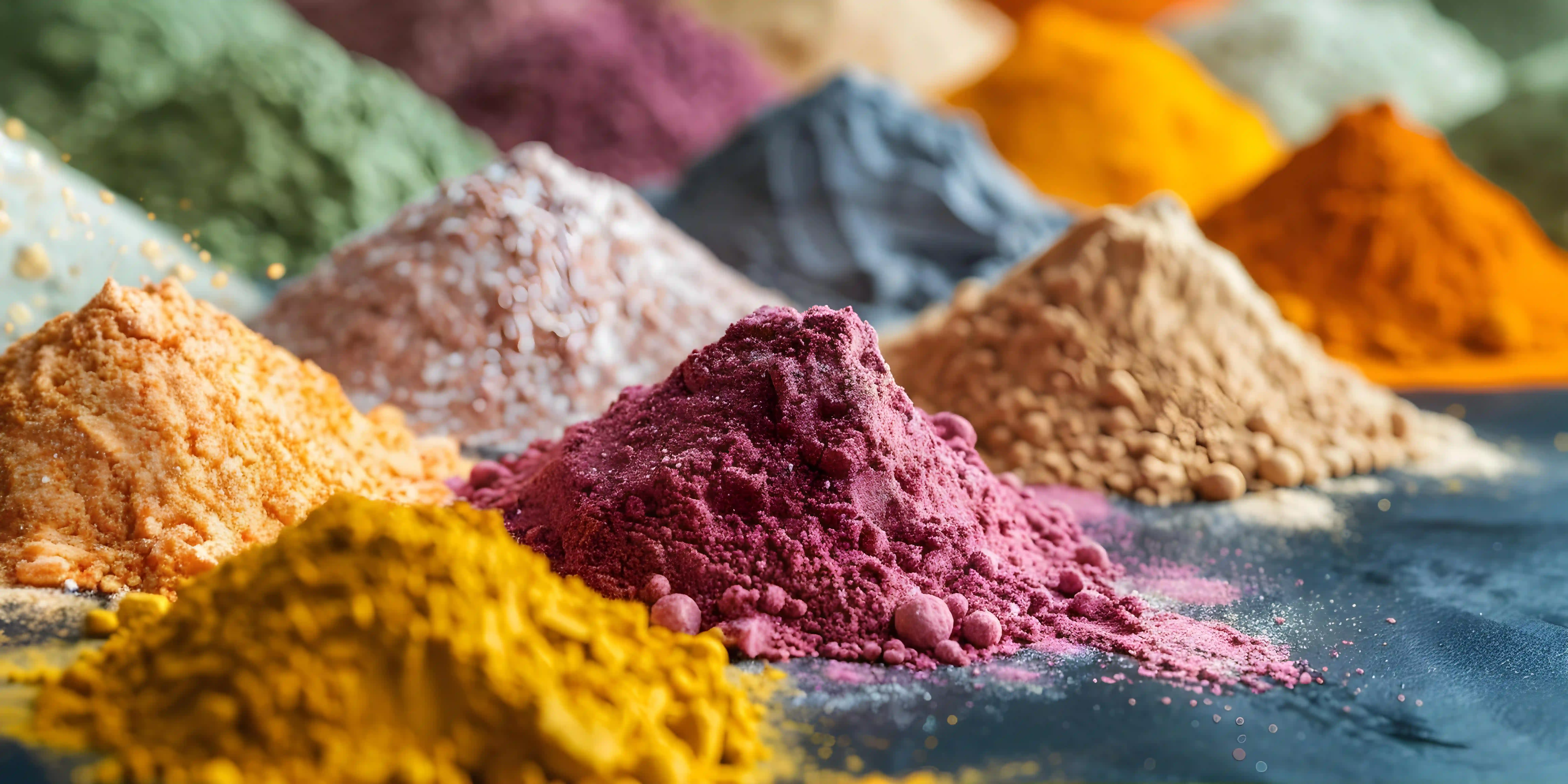
Natural food colors are obtained from plant, animal or mineral sources and do not undergo intensive chemical processing. Ingredients such as beet, saffron, turmeric and spirulina can provide vibrant and safe colors to foods.
Today, consumers are looking for more natural and less processed options. They are more attentive to the composition of the foods they consume to reap the benefits of healthy eating.
It is important to note that while natural dyes are considered safer than synthetic dyes, they can also cause allergic reactions in some sensitive individuals. In addition, it is essential to ensure that the natural dyes used are of reliable origin and meet food quality and safety standards.
Synthetic food colors and their risks
Food colors are important in the food industry because they improve the visual appearance of foods and beverages, making them more attractive to consumers. Colorants help maintain or enhance the natural color of foods and ensure visual consistency in processed products.
There are several common synthetic food colorants that are widely used in the food industry. Let's see which are the most commonly used and the possible adverse effects associated with their consumption in some sensitive individuals:
- Tartrazine (E102). It is a bright yellow dye found in a variety of products, such as beverages, candies, desserts and baked goods. Some people may be sensitive to tartrazine and experience allergic reactions, such as hives, asthma, itching, skin redness and difficulty breathing.
- Twilight Yellow (E110). An orange-yellow dye used in foods such as ice cream, soft drinks and confectionery products. It can cause allergic reactions in sensitive people and has been associated with hyperactivity in some children.
- Quinoline Yellow (E104). A greenish-yellow dye found in foods such as ice cream, desserts, beverages and bakery products. Like other dyes, it can trigger allergic reactions in some people.
- Azorubin Red (E122). A red dye used in products such as jellies, candies, soft drinks and dairy products. It has been associated with allergic reactions in susceptible individuals and may have adverse effects on activity and attention in some children.
- Allura Red AC (E129). A deep red dye used in beverages, dairy products, desserts and processed foods. It has been linked to allergic reactions, such as hives, and some studies have suggested a possible association with hyperactivity in children.
It is important to note that the adverse effects of synthetic food dyes may vary according to individual sensitivity and the dose consumed. In addition, health authorities set limits and regulations for their safe use in food, and manufacturers must comply with these regulations.
In general, it is recommended that people sensitive to food dyes avoid consuming foods containing them. In addition, it is important to read product labels and be aware of possible allergic reactions or adverse effects after consuming foods containing synthetic dyes. In any case, it is better to take precautions, try to avoid their consumption and opt for natural food colorings whenever possible.
Advantages of natural food colors
The use of natural food colorings offers several advantages compared to synthetic colorings. These are some of them:
- Plant or animal origin: these are ingredients that come from recognizable sources and are minimally processed.
- Lower likelihood of adverse effects: natural food colorings tend to have a lower likelihood of causing adverse effects compared to synthetic colorings. While some people may be sensitive to certain natural dyes, they are generally considered safer and less likely to trigger allergic reactions or health problems. This is because natural dyes are found in foods and plants that have been consumed for centuries without causing significant health problems.
- Consumer recognition and acceptance: manufacturers should be aware that products using natural colorants can have a commercial advantage by satisfying consumer preferences and concerns.
- Variety of colors available: natural colorants offer a wide range of vibrant and attractive colors that can be used to enhance the visual appearance of foods and beverages. Natural ingredients, such as fruits, vegetables and spices, can provide intense and diverse hues, allowing for a wide variety of color options in food formulation.
While natural food colorants have several advantages, it is important to note that they also have limitations. Some natural colorants can be more sensitive to light, heat and pH, which can affect their stability and durability in food products.
Types of natural food colorants:
There are different sources of natural food colorants, such as fruits, vegetables, spices, herbs or flowers, among others. Here are some common examples:
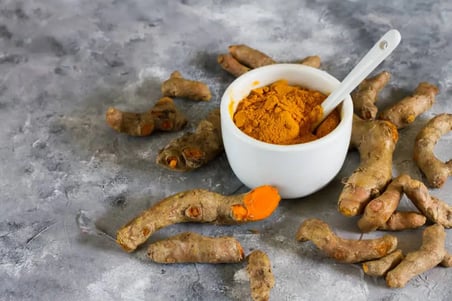
- Curcumin. It is a bright yellow dye found in turmeric, a golden yellow spice. Curcumin is used to add color and flavor to foods such as mustard, soups and baked goods.
- Carmine. A deep red dye obtained from the cochineal, an insect of the beetle family found in tropical and subtropical regions. Carmine is used to give red, pink or purple colors to products such as yogurts, ice cream, candies and confectionery.
- Beta-carotene. A natural pigment found in orange and yellow fruits and vegetables, such as carrots, pumpkins and mangoes. Beta-carotene is used to give an orange or yellow hue to products such as juices, soups, baked goods and dairy products.
There are different methods used to extract and process natural colorants, depending on the type of colorant and the source from which it is obtained. Some of the most common are:
- Maceration: this method involves submerging the source of the colorant, such as plants, fruits or vegetables, in a liquid solvent, such as water or alcohol, for a period of time. During this process, the pigments are dissolved in the solvent and a colored extract is obtained. The extract can then be concentrated, filtered and purified to obtain the natural colorant.
- Distillation: used to extract essential oils from plant sources. It consists of heating the plants and collecting the vapors generated. The vapors are then condensed and the essential oils, which may contain the pigments responsible for the color, are collected.
- Solvent extraction: sometimes organic solvents are used to extract pigments from natural sources. This method involves mixing the dye source with a suitable solvent, which allows selective extraction of the pigments. The solvent is then separated and recovered, and the pigments are obtained by evaporation or drying.
- Fermentation: in some cases, natural dyes are obtained by fermentation processes. This involves the use of microorganisms, such as bacteria or yeasts, which break down the components of the natural source and produce colored compounds as a result of metabolism.
After the extract or pigments are obtained, they may undergo filtration, purification and concentration processes to obtain the colorant in its final form. These processes may include the use of separation, filtration, clarification and drying techniques.
Home preparation of natural dyes
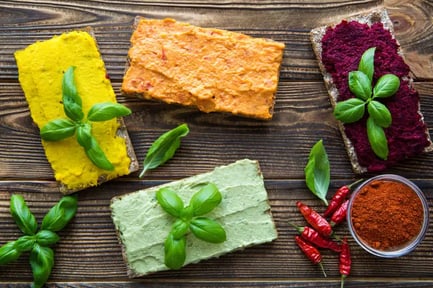
- Chlorophyll: we can use spinach or parsley, for example, to obtain a green color. We must crush the leaves mixed with water and then filter the liquid and heat it in a bain-marie. When it begins to remain in a solid state, we must pass it through the filter again and save the chlorophyll.
- Beet: with this food well washed and chopped into pieces, we have to mix them also with a little water, in a blender. Then, we strain the result so that the red coloring has a finer texture.
How to eat richer, healthier and prettier with natural food colorings
Eating richer, healthier and prettier with natural food colorings can be a satisfying and beneficial experience for our diet. You can use them to add a touch of color to beverages, sweets, baked goods, dairy products and many other foods. For example, you can use beet juice for a deep red color, saffron for a warm yellow hue or spirulina powder for a vibrant green.
Natural colorants can also be used in decorating techniques, such as icing cakes or decorating desserts. You can experiment with different natural ingredients and combine them for unique and attractive colors in your dishes.
Although natural food colorings offer many advantages, they also present some challenges. Variability in color intensity is one of them, as natural ingredients can have different shades depending on their origin and quality. It is important to test and adjust the amounts of colorant used to achieve the desired result.
In addition, its stability during processing and storage can be a challenge. Some colorants may fade or lose intensity over time or when subjected to high temperatures. It is advisable to protect foods from light and store them properly to preserve the color.
Another potential challenge is the influence on the taste or texture of foods. Some natural colorants may have a distinctive flavor or aroma that can affect the organoleptic profile of dishes. It is important to consider this when choosing and combining natural ingredients to prevent the dominant flavor or texture from being negatively altered.
They add nutritional value to meals
However, these drawbacks are outweighed by the benefits of this way of providing color, compared to synthetic colorants. Their advantages are closely related to the natural ingredients used to obtain the colors.
Natural food colorings are usually derived from fruits, vegetables, spices or other plant ingredients, which makes them a healthier choice. They bring additional nutrients and beneficial compounds to foods, such as antioxidants, vitamins and minerals.
By swapping artificial, processed or industrial components for natural food colorings, you are adding nutritional value to your meals without compromising health. Plus, they are in line with the trend toward a cleaner diet free of artificial additives. And, if you want to enrich your diet with natural and sustainable options, don't forget about supplementation. Do you know the health benefits of Silicium G7? This supplement improves the quality of the skin, providing elasticity and consistency to the tissues, as well as boosting collagen production and helping to eliminate aluminum that accumulates in the body. The balance it gives you internally is reflected on the outside, thanks to healthier and better quality hair, skin and nails.
Frequently asked questions about natural food colorants
The healthiest food coloring is obtained from fruits, vegetables, herbs or flowers, rather than from artificial or synthetic sources. It also provides nutritional values.
The ten natural colorants are derived from turmeric, beet, chlorophyll, paprika, carrot, eggplant, blackberries, sunflower petals, marigold and annatto.
We should avoid these synthetic colorants with possible adverse effects on people sensitive to them: Tartrazine (E102), Twilight Yellow (E110), Quinoline Yellow (E104), Azorubin Red (E122) and Allura Red AC (E129).
