
Flaky Skin: What It Is, Causes, and How to Treat It
Scaly skin is a common problem that can affect any part of the body, causing discomfort such as tightness, itching and visible flaking. Although it is often related to dry skin, it can also be a symptom of conditions such as psoriasis, dermatitis or fungal infections. To treat this condition and apply the appropriate treatment, the first step is to identify the cause.
What is scaly skin and why does it occur?
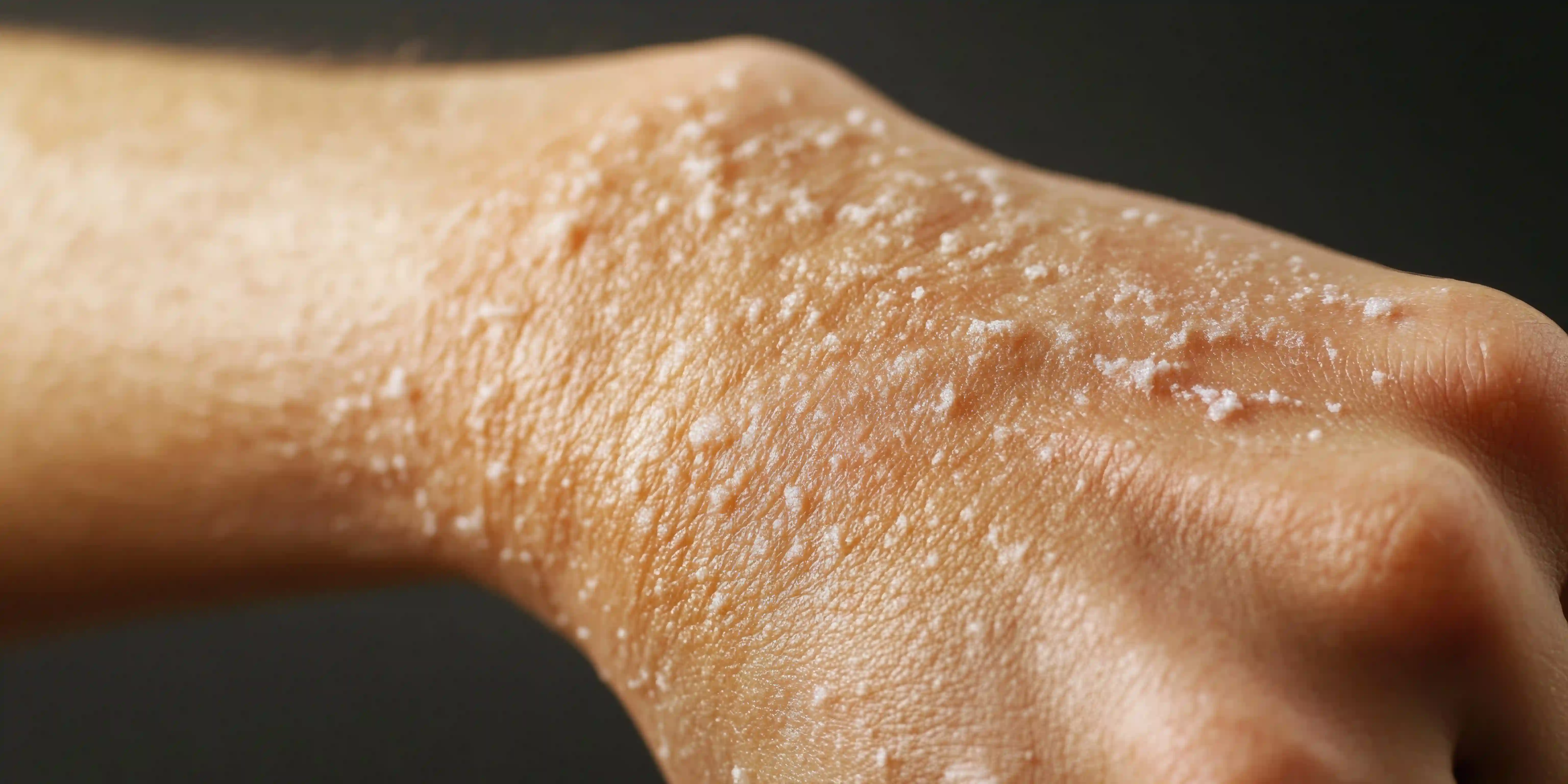
Scaly skin is a condition in which dead cells from the outermost layer of the skin flake off in the form of visible scales. This flaking can affect any part of the body and is often accompanied by a rough texture, itching, tightness or even inflammation in more severe cases.
Although dryness is one of the main reasons behind this problem, there are multiple factors that can trigger it, from dermatological diseases to adverse environmental conditions.
The most common symptoms include the appearance of small whitish or yellowish scales, skin that feels rough to the touch, localized redness and, in some cases, painful cracks. Lack of hydration, use of harsh products, exposure to cold or wind and certain skin conditions such as psoriasis or dermatitis can aggravate scaling.
If scaly skin persists for more than two weeks without improvement, if open wounds, bleeding or signs of infection appear, or if redness and pain are intense, it is necessary to see a dermatologist. Early diagnosis makes it possible to identify the exact cause and apply the appropriate treatment before the problem worsens or develops into major complications.
Main causes of scaly skin
As we have seen, scaly skin can be caused by a variety of factors, ranging from dry skin to dermatological diseases and unhealthy habits.
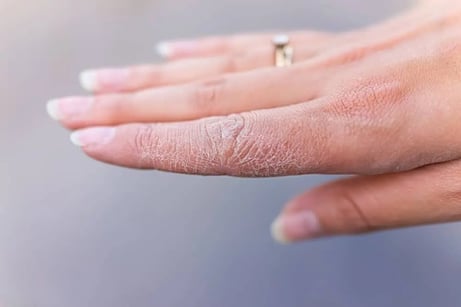
In most cases, it is a loss of moisture and lipids in the skin, which weakens its natural barrier and promotes flaking. At this point, factors such as dry or cold weather, the use of aggressive soaps, hot baths and aging can contribute to this problem.
Lack of internal hydration also plays an important role, as insufficient water intake can cause the skin to lose elasticity and become more prone to dryness.
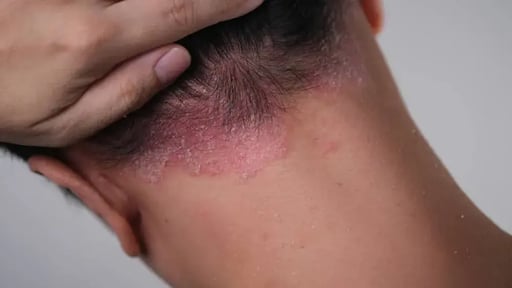
Another frequent cause of scaly skin has to do with dermatological diseases. Psoriasis, for example, is a chronic autoimmune condition that causes red patches covered with white scales. They are often aggravated by stress, infections and cold. To relieve dryness and irritation, the use of specific products such as Silicium G7 Soriaskin Gel, a cream with Organic Silicon and Echinacea that helps regenerate and protect the skin without leaving an oily residue, is recommended.
Other conditions, such as atopic dermatitis and seborrheic dermatitis, can also cause flaking, especially on the scalp and oily areas of the face.
In addition, external factors such as excessive sun exposure, pollution and the use of aggressive exfoliants can weaken the skin and increase its tendency to flake. Maintaining a balanced diet, reducing stress and avoiding tobacco and alcohol consumption are key measures to improve skin health and prevent flaking. Maintaining a balanced diet, reducing stress and avoiding tobacco and alcohol consumption are key measures to improve skin health and prevent flaking. If you want to know which foods have the greatest documented impact on skin regeneration, the article on foods to rejuvenate skin and keep it young from within details the most effective nutrients and sources for each skin type.
How to Treat Scaly Skin Effectively
Treating flaky skin is all about restoring the skin barrier, maintaining hydration and avoiding irritants that can worsen flaking. To do this, it is essential to follow a proper care routine that combines intensive moisturizing, gentle hygiene and the use of natural remedies that help soothe and regenerate the skin.
Proper hydration
Moisturizing is the most important step in treating flaky skin, as it helps to restore the protective barrier and prevent excessive water loss. Moisturizing products should contain ingredients that retain moisture and strengthen the skin.
Recommended ingredients include the following:
- Urea: gently exfoliates and helps retain water in the skin.
- Hyaluronic acid: attracts and maintains hydration, improving elasticity.
- Ceramides: reinforce the skin barrier and prevent water evaporation.
- Glycerin: deeply moisturizes and protects against dryness.
It is recommended to apply the moisturizer after showering, when the skin is still damp, to seal in hydration. In addition, in cases of very dry skin, the application should be repeated several times a day, especially on the most affected areas.
Careful hygiene routine
Inadequate hygiene can worsen scaly skin, removing its natural oils and increasing irritation. Making a few changes in your daily routine can make a big difference in skin health.
For starters, avoid very hot water in showers or baths, as it strips the skin's natural lipids and aggravates dryness. It is also important not to use soaps with sulfates and fragrances, which can be too aggressive and cause further irritation.
Recommended alternatives include mild pH-balanced cleansers, preferably without fragrances or alcohol, andshort baths with lukewarm water . In fact, it is important to avoid prolonged exposure to water, as it can dehydrate the skin.
Natural and home remedies
Some natural ingredients can complement the treatment of scaly skin and help soothe irritation and improve hydration.
- Coconut oil: acts as a natural emollient, locking in moisture and soothing dry skin. It can be applied directly to the affected areas after bathing.
- Aloe vera: has soothing and regenerating properties, ideal to relieve irritation and promote healing of peeling skin. It is recommended to use the pure gel directly on clean skin.
- Homemade masks: mixtures such as honey and oatmeal, or olive oil with avocado, can provide intense hydration and soften the skin texture. Applying them once or twice a week can improve the appearance of flaky skin.
Tips for preventing flaky skin
Preventing flaky skin is easier than treating it once it appears. Maintaining a consistent skin care routine and adopting healthy habits can make all the difference in moisturizing and protecting your skin.
For starters, applying emollient-rich creams daily helps reinforce the skin barrier and prevent water loss. Ingredients such as ceramides, urea and hyaluronic acid are essential for retaining moisture and keeping skin soft.
The environment also influences skin health. The use of humidifiers in enclosed spaces helps to counteract the dryness caused by heating and air conditioning, preventing excessive evaporation of water from the skin. In addition, protection from the sun is key to preventing skin dehydration and cell damage. Applying sunscreen with SPF 30 or higher, even on cloudy days, reduces the negative impact of UV radiation.
Do not forget that nutrition plays a fundamental role. Eating foods rich in antioxidants and omega-3 fatty acids, such as fish, nuts and green leafy vegetables, strengthens the skin from the inside. Avoiding aggressive products, such as soaps with sulfates or alcohol, helps to preserve its natural oils. Finally, staying well hydrated by drinking enough water every day contributes to skin that is more supple and resistant to flaking.
Within the preventive routine, regular exfoliation deserves a special mention: it removes accumulated dead skin cells before they form visible flakes, but applying it incorrectly can aggravate irritation rather than reduce it. The complete guide to facial and body exfoliation and peeling explains which techniques, frequencies and ingredients are suitable according to skin type and condition.
Flaky skin: caring for it is much more than hydration
Taking care of flaky skin is not just a matter of applying moisturizers when dryness becomes evident. It is an ongoing process that requires attention, consistency and the ability to adapt to the skin's changing needs. The skin acts as a protective barrier against the environment, so keeping it healthy goes beyond aesthetics: it is a matter of overall well-being.
Hydration is essential, of course, but not the only solution. As we have seen, factors such as diet, stress and rest influence cell regeneration and the skin's ability to retain moisture. Over the years, the skin's needs change, and with them, the way it should be cared for. Consulting a dermatologist when flaking persists or worsens is essential to prevent complications. Investing in skin care is investing in health and quality of life.
Your skin is always with you, so take care of it.
