
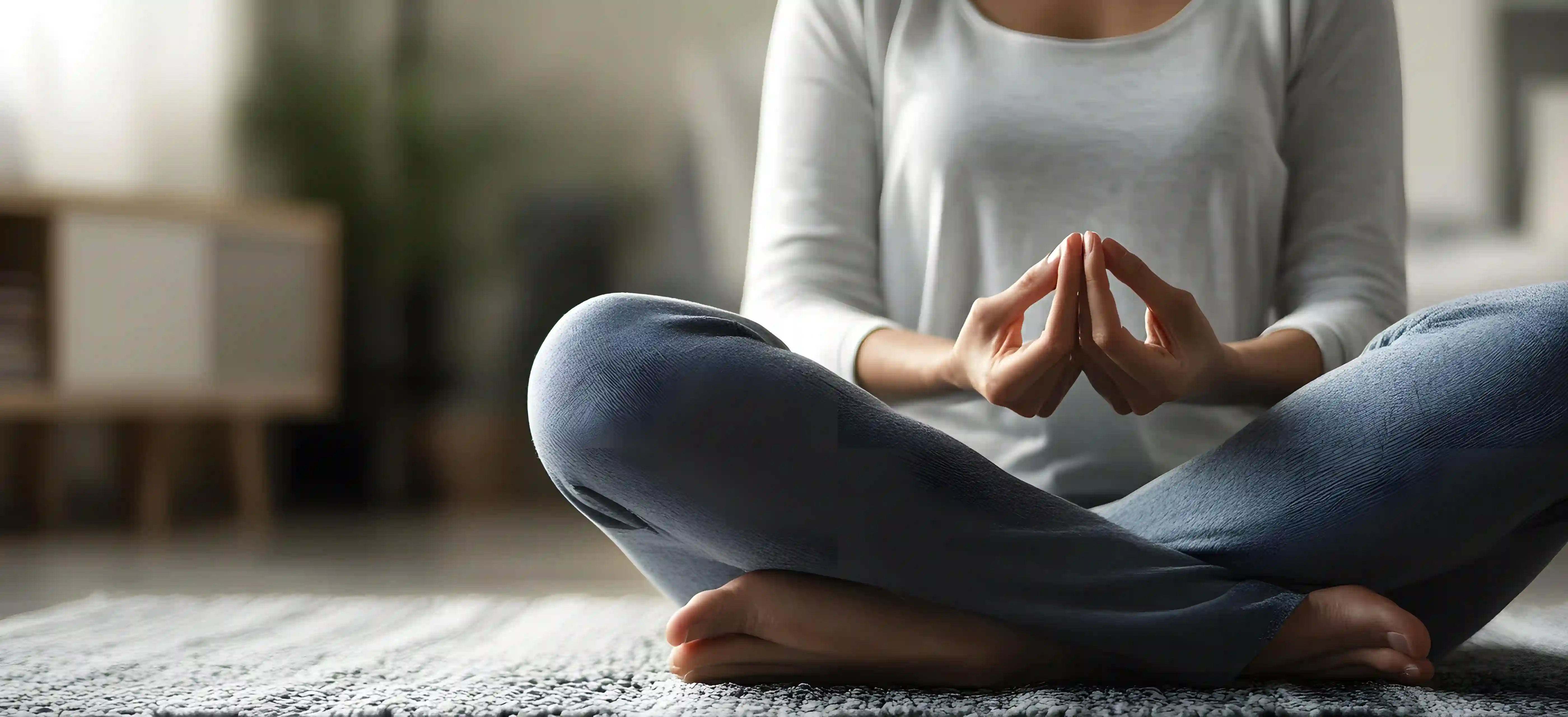
Meditation and mindfulness techniques to improve your quality of life
Meditation and mindfulness are ancient practices that have been used for centuries to promote calmness, mental clarity and emotional well-being. Although related, each has its own distinctive approach and benefits.
Both are invaluable for taking care of your health, so by dedicating regular time to these techniques, you can cultivate greater balance and connection to the present moment, which in turn promotes a more fulfilling life.
What is meditation: benefits and techniques
Meditation is a practice that involves training the mind to focus attention and direct it toward a specific object, such as the breath, a mental image or a repetitive sound.
What is meditation?
The main goal of meditation is to achieve a state of full and calm awareness, freeing oneself from everyday thoughts and worries.

How it is practiced: the different meditation approaches or techniques available
There are different forms of meditation, such as mindfulness-based meditation, transcendental meditation, guided meditation and moving meditation, among others.
Would you like to know what they are?
- Mindfulness-based meditation (Mindfulness). This technique focuses on paying full attention to the present moment, observing thoughts, emotions and bodily sensations without judging them. It is practiced by cultivating mindful awareness of the breath, body, sounds or other objects of attention. Mindfulness has become popular because of its benefits in reducing stress, improving concentration and promoting acceptance of the present experience.
- Transcendental meditation. This technique is based on the repetition of a personal mantra, a word or sound that is repeated silently to help calm the mind and achieve a state of calm awareness. It is practiced sitting comfortably, closing the eyes and repeating the mantra gently and effortlessly. Transcendental meditation has been associated with reducing stress and promoting deep relaxation.
- Vipassana meditation. This technique originated in the Buddhist tradition and focuses on deep observation and understanding of reality as it is. It is practiced by paying attention to bodily sensations, emotions and thoughts as they arise and disappear. The goal is to develop wisdom and liberation from suffering. Vipassana meditation has been linked to benefits such as mental clarity and the development of compassion.
- Moving meditation (e.g., Tai Chi, Qi Gong). Unlike static meditation, this technique involves conscious, flowing movement of the body. It is based on sequences of smooth, coordinated movements combined with conscious breathing. Moving meditation combines aspects of concentration, relaxation and mind-body connection. It has been associated with benefits such as improved balance, flexibility and stress reduction.
These are just a few examples of the various meditation techniques that exist. Each approach has its own particularities and is tailored to individual needs and preferences. It is possible to explore different approaches and find the one that best suits you and your meditation goals.
Benefits of meditation
Reducing stress, improving concentration, promoting calmness and mental clarity are some of the advantages of taking up this ancient practice. Incorporating it into your routines allows you to achieve balance, connect with your spirituality and get to know yourself better.
Mindfulness: what is mindfulness and how does it relate to meditation?
Mindfulness is a specific form of meditation that focuses on intentionally paying attention to the present moment, without judging it or trying to change it. Mindfulness involves being aware of thoughts, emotions, physical sensations and the environment in which we find ourselves. It is about cultivating an attitude of acceptance and openness to the present experience.

How to apply mindfulness in daily life
Here are some ways you can integrate mindfulness into your daily life:
- Mindfulness moments: turn certain times of the day into opportunities to practice mindfulness. For example, when you wake up in the morning, instead of immediately jumping out of bed, take a few minutes to breathe mindfully and set a positive intention for the day. Similarly, you can practice mindfulness while brushing your teeth, taking a shower or doing household chores, paying attention to the sensations and details present in that moment.
- Mindful breathing: At any time of the day, take a moment to focus on your breathing. Notice how the air enters and leaves your body, feeling the sensation of the breath in your abdomen or nose. If your mind becomes distracted, simply return gently to the breath again and again.
- Mindful eating: pay full attention to your meals. Before eating, take a moment to visually appreciate the food and give thanks for it. During the meal, eat slowly, savoring each bite and noticing the flavors, textures and sensations in your body. Being present while eating helps you enjoy your food more and connect with your body and your satiety cues.
- Observe thoughts and emotions: Throughout the day, notice your thoughts and emotions without judgment. Notice how they arise and disappear in your mind. If you find yourself stuck in a negative or worrisome thought pattern, simply acknowledge it and redirect your attention to the present moment. Accept your emotions as they are, allowing yourself to feel them without reacting automatically.
- Active listening: when you are in conversations with others, practice active and conscious listening. Pay full attention to what the other person is saying without interrupting or thinking about your response. Observe your own reactions and judgments as you listen, and strive to fully understand the other person's perspective.
These are just a few ways you can integrate mindfulness into your daily life. The goal is to bring greater awareness and presence to the present moment, thus cultivating an attitude of openness, acceptance and gratitude toward your daily experience. Remember that regular practice is key to developing and strengthening the mindfulness muscle.
Tips to improve your quality of life
As you can see, it is easy to integrate meditation and mindfulness into your daily life, with the practical tips we propose. It is not necessary to have free time, as these techniques can be combined with other activities.
You can start by including them in specific moments of the day, such as waking up in the morning or before going to sleep, as well as finding moments of calm and attention in everyday situations.
At the same time, remember the importance of taking care of yourself from within and aligning yourself with this conscious state that facilitates meditation and mindfulness. To achieve this, diet is an ally and supplements are the key to ensure the necessary balance. Give your body the extra supply of nutrients it needs with Silicium G7 original Dynamized, a highly effective original formula, which balances you inside and also improves your outward appearance, strengthening skin, hair and nails.
