

How to Remove Dead Skin: Tips and Treatments
The skin is the largest organ of the human body and is constantly renewing itself. Every day, thousands of skin cells die and are replaced by new ones. This natural, yet vital process can lead to a buildup of dead skin cells on the surface of the skin, leading to a dull, rough and lifeless appearance. If these cells are not removed on a regular basis, they can cause problems such as blackheads, acne breakouts and even uneven skin texture.
In this article, we are going to explain what dead skin is, how we can effectively remove it and which treatments are the most recommended to maintain smooth, radiant and healthy skin.
What is dead skin?
Dead skin is the result of a natural cycle known as cell renewal. This cycle occurs approximately every 28 days, although it can vary depending on factors such as age, skin type, overall health and environment. During this cycle, younger cells form in the deeper layers of the epidermis and push older cells to the surface, where they eventually die and slough off.
Over time, cell turnover becomes less efficient, especially as we age. In our 20s, cell turnover is rapid and efficient, but in our 30s and beyond, this process slows down. This can result in the accumulation of dead cells on the surface of the skin, leading to a dull, dry and even uneven appearance. Excessive accumulation of these cells can also clog pores, encouraging the appearance of acne or blackheads.
Factors affecting the accumulation of dead skin
Although the accumulation of dead skin is a natural process, certain factors can accelerate or hinder its elimination:
- Age: As we mentioned, the cell renewal process slows with age, causing dead skin to accumulate faster.
- Sun exposure: The sun can damage skin cells, causing them to die prematurely and build up faster.
- Pollution: Particles in the air, such as dust or pollutants, can clog pores and make it harder to remove dead cells.
- Dehydration: When skin is dry or dehydrated, dead skin cells tend to stick to the surface, which can make the skin look even duller and rougher.
- Cosmetic products: Improper use of cosmetic products, such as makeup or creams not suitable for the skin type, can also influence the accumulation of dead skin.
Treatments to remove dead skin
There are several methods for removing dead skin cells, and choosing the most suitable one will depend on skin type and individual needs. Below, we describe some of the most effective methods.
Physical exfoliation
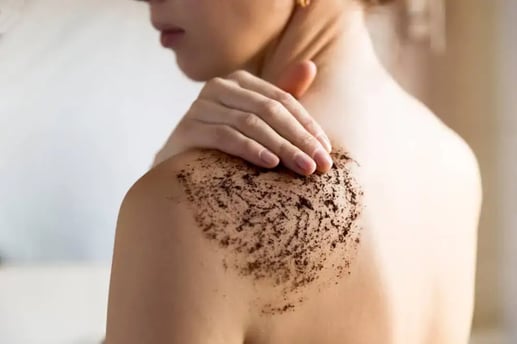
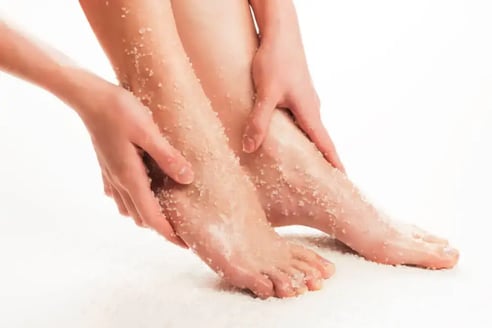
Physical exfoliation is probably the best known method for removing dead skin. It involves the use of products containing small, abrasive particles, such as sugar, salt, or microbeads, which, when rubbed against the skin, mechanically remove dead skin cells. This type of exfoliation can also be performed with tools, such as facial brushes or sponges.
- Advantages: Physical exfoliation provides immediate results and leaves skin instantly smoother and more even. It is ideal for people looking for a quick and effective solution.
- Disadvantages: If done incorrectly, it can irritate the skin, especially if overly abrasive products are used or if too much pressure is applied. It is important to be especially careful in sensitive areas, such as the face.
It is advisable to physically exfoliate the skin once or twice a week, depending on skin type. People with sensitive skin should opt for gentler exfoliants and space out exfoliation sessions more .
Chemical Peel
This type of exfoliation uses acids to dissolve dead skin cells instead of removing them mechanically. Common chemical peels include glycolic acid, lactic acid and salicylic acid.
- Glycolic acid: This comes from sugar cane and is an alpha hydroxy acid (AHA). This acid penetrates the skin and helps dissolve dead skin cells, promoting a smoother, more even texture. It is ideal for people with dry or normal skin.
- Lactic acid: Also an AHA, but gentler than glycolic. It is suitable for sensitive or dry skin and helps improve skin hydration while exfoliating.
- Salicylic acid: A beta hydroxy acid (BHA) that penetrates deep into pores, making it ideal for oily or acne-prone skin. Salicylic acid helps prevent clogged pores and treats breakouts.
Chemical exfoliation is gentler than physical exfoliation and is ideal for people with sensitive skin or who want to treat specific problems such as hyperpigmentation, acne or fine lines. However, improper use of these products can irritate the skin excessively and even lead to chemical burn in severe cases. It is important to be well informed about the products to be used, about their possible side effects on our skin type and, if necessary, to consult a professional before carrying out this type of exfoliation.
Enzymatic peel
Enzymatic peels use natural enzymes, usually derived from fruits such as papaya, pineapple or pumpkin, to dissolve dead skin cells. This type of peel is especially gentle and is an excellent choice for those with extremely sensitive or reactive skin.
- Advantages: It does not contain abrasive particles or harsh acids, so it is much gentler on the skin. It is ideal for those looking for an effective but gentle exfoliation.
- Disadvantages: May be less effective for people with severe accumulations of dead skin cells or specific problems such as acne or hyperpigmentation.
Tips for treating dead skin on the face
Facial skin is much thinner and more delicate than skin on the rest of the body, so it is crucial to choose gentler and more careful exfoliation methods when treating and preventing dead skin. Here are some important tips:
- Select gentle products to exfoliate: Especially if you have sensitive skin, opt for enzymatic exfoliators or products with fine, soft particles.
- Moisturize after exfoliating: After removing dead skin cells, it is essential to apply a good moisturizer to keep the skin nourished and prevent it from drying out. Creams and serums with natural ingredients such as Silicium Rose Hip Silicium or Silicium Serum + Essential Elixir are perfect to take care of hydration and prevent fine lines at the same time.
- Adapt frequency to skin type: Excessive exfoliation can damage the skin barrier. For dry or sensitive skin, a weekly exfoliation is usually sufficient, while oily skin may benefit from more frequent exfoliation.
- Use chemical exfoliants with care: Always follow the instructions on chemical products, as improper use may cause irritation or blemishes.
- Take care of your diet: A balanced diet, especially if complemented by proper supplementation, helps to care for the skin from within, improving both its health and appearance. Food supplements such as G7® Beauty promote hydration and restructure the skin, in addition to preventing aging and helping to reduce facial blemishes.
Exfoliation, essential for healthy skin
Removing dead skin is an essential step in maintaining a healthy, smooth and radiant complexion. There are different exfoliation methods, from physical to chemical and enzymatic, each with its own benefits. The most important thing is to choose the right treatment for your skin type and to complement exfoliation with good moisturizing and sun protection. With the right care, you can enjoy glowing, renewed skin all year round.
