
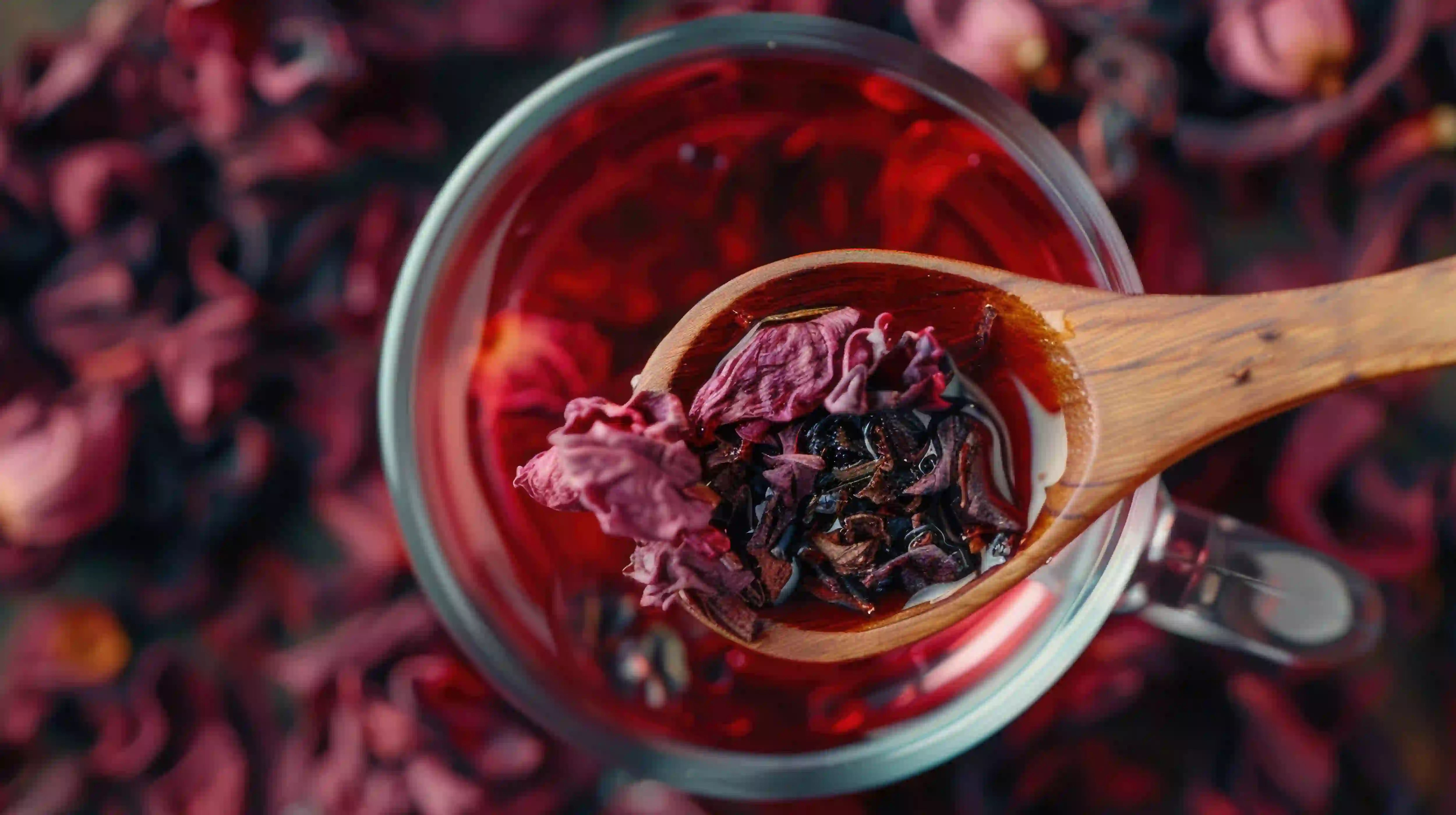
Hibiscus: Health Benefits and Risks
The benefits and disadvantages of hibiscus flower are of increasing interest to those seeking natural health care alternatives. This plant, also known as hibiscus, is mainly consumed in the form of tea or fresh water and is increasingly supported by scientific research.
Among its most outstanding positive effects are its antioxidant and anti-inflammatory properties, its ability to regulate blood pressure, improve the lipid profile and blood glucose, as well as promote digestion and weight control.
But it is not all advantages, as it can cause sudden drops in blood pressure, gastrointestinal discomfort, interactions with certain medications and is not recommended during pregnancy or breastfeeding. Understanding both its benefits and risks allows you to take full advantage of this plant without endangering your health.
Hibiscus flower, benefits and disadvantages: what does science say?
The hibiscus flower(Hibiscus sabdariffa) is a plant native to tropical Africa that is widely used in herbal teas and natural supplements. Its red calyxes concentrate a mixture of bioactive compounds with measurable effects on health, which have been extensively studied in recent decades. We recommend reading our guide to common anti-inflammatory foods.
The most outstanding benefits are related to their content in anthocyanins, flavonoids and chlorogenic acid, molecules with high antioxidant capacity. These compounds help neutralize free radicals and reduce cellular oxidative stress, which favors protection against chronic diseases and aging.
In the cardiovascular field, clinical studies show significant reductions in blood pressure, with average decreases of 24/14 mmHg in hypertensive patients after 16 weeks of regular consumption. In addition, hibiscus improves the lipid profile by reducing LDL cholesterol and increasing HDL cholesterol, helping to prevent the formation of plaques in the arteries.
Other trials indicate a beneficial effect on glucose regulation and insulin sensitivity, so its use is being investigated as a support in the treatment of type 2 diabetes. In parallel, a nephroprotective action has been observed, capable of mitigating renal damage linked to oxidative stress. Digestive effects are also attributed to it, as it favors intestinal motility and can help both constipation and slow digestion.
However, these positive effects can be counteracted if consumption is excessive or not adjusted to the health conditions of each person. In individuals with low blood pressure, it may cause dizziness or fainting due to its hypotensive action. At high doses, some experimental studies have described hepatic and renal alterations, such as inflammation or cell necrosis.
In addition, interactions with antihypertensive and antidiabetic drugs have been documented, so caution and medical supervision are recommended before incorporating it into the diet.
Overall, the scientific evidence supports the benefits of hibiscus flower, provided it is consumed responsibly. Used in moderation, it can contribute to cardiovascular, metabolic and digestive well-being; but excessive or uncontrolled use can generate adverse effects that should be avoided.
Hibiscus tea: properties and contraindications
Hibiscus tea, prepared from the dried calyxes of the Jamaican flower, is one of the most popular ways of consuming this plant. Its slightly acid taste and reddish color have made it a common drink both for pleasure and for its health benefits. Although it is the same vegetable, the infusion format allows to take advantage of its compounds in a different way and with milder effects.
Hibiscus tea stands out for its high vitamin C and polyphenol content, which makes it an antioxidant and hydrating drink. In addition, it can support weight control, as some studies indicate that it helps reduce the absorption of starches and glucose, while promoting satiety. It also acts as a natural diuretic, helping to eliminate retained fluids and relieve bloating.
However, the consumption of this tea requires caution. In pregnancy and lactation it is not recommended, as some studies suggest possible effects on the uterus and maternal metabolism. In people with low blood pressure, its hypotensive effect may cause weakness or dizziness. In high doses or in prolonged consumption, it may cause digestive discomfort, such as gas or diarrhea, as well as fatigue.
To take advantage of its benefits without risk, it is advisable to maintain a moderate consumption. A safe preparation is to infuse one or two tablespoons of dried calyxes in a liter of hot water for 10 to 15 minutes, filtering before drinking. Drinking one or two cups a day is enough to enjoy its properties without exceeding the recommended doses.
Hibiscus tea can be part of a healthy routine if taken in moderation. Its richness in antioxidants and its depurative effect make it a good option to accompany a balanced diet, as long as there are no medical conditions that advise against its consumption.
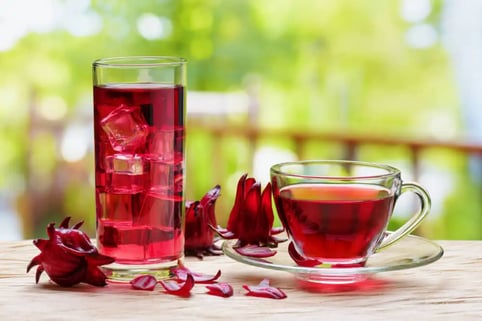
How to take hibiscus flower safely
Consuming hibiscus flower on a regular basis can bring real benefits, but to do so safely it is advisable to respect the appropriate doses and take into account some precautions. The key is to enjoy its properties without forcing the body or interfering with other treatments.
Studies indicate that a safe and effective dose is equivalent to an aqueous extract of 100 g/L, which is sufficient to obtain its antioxidant and vasodilator effects without risk of toxicity. In home preparations, this proportion translates into one or two tablespoons of dried flower per liter of water, either in infusion or in cold water.
When incorporating it into the diet, it is preferable to avoid adding sugars or other sweeteners in excess, as they reduce its metabolic benefits. Instead, it can be mixed with mint, cinnamon or lemon to improve the flavor without altering its effect.
Its consumption should be avoided during pregnancy and lactation, as there are not enough studies confirming its safety in these stages. Caution is also advised in people with low blood pressure, or who are under treatment for hypertension or diabetes, due to the risk of interactions with other drugs.
When used for prolonged periods, it is advisable to have regular medical check-ups to assess liver and kidney function, especially if combined with other supplements or drugs. If symptoms such as dizziness, fatigue or digestive discomfort appear, it is advisable to discontinue use and consult a health professional.
Consumed in moderation and within a balanced diet, hibiscus flower can become a natural ally to take care of the heart, regulate metabolism and improve digestion. Moderation and attention to the body's signals are the best guarantee of safe use.
What you should remember about hibiscus flower
Hibiscus flower is much more than a refreshing drink. Behind its intense color is a natural source of antioxidants, flavonoids and organic acids with positive effects on the cardiovascular system, metabolism and digestion. Its regular consumption, within a balanced diet, can help maintain stable blood pressure, improve cholesterol and glucose levels and promote lighter digestion.
However, as with any plant with physiological action, it is not without risk. In sensitive people or those with certain conditions, it can cause hypotension, digestive discomfort or interactions with medications. In addition, its use is not recommended during pregnancy or lactation, stages in which it is advisable to avoid any substance with possible hormonal or diuretic effects.
The key is to consume it in moderation, without substituting it for medical treatments and under professional supervision in case of chronic diseases. With a responsible use, hibiscus can be an excellent natural complement to take care of the daily well-being from prevention and balance.
Frequently asked questions about hibiscus flower
It is advisable to drink one or two cups a day of hibiscus infusion or hibiscus water. This amount is sufficient to take advantage of its benefits without risk of adverse effects. Higher doses or prolonged consumption may alter blood pressure or cause digestive discomfort, so it is advisable to maintain moderation and observe the body's reaction.
Hibiscus tea can support weight control because of its diuretic effect and because it helps reduce the absorption of starches and glucose. It is not a slimming agent by itself, but it can complement a balanced diet and regular exercise. Taking it without sugar is essential so as not to nullify its metabolic effects.
It can be taken at any time of the day, although many people prefer to drink it after meals because of its digestive effect. In cases of low blood pressure, it is best avoided on an empty stomach or before bedtime. If it is used as a refreshing drink, it can be drunk cold, but without adding excessive sweeteners.
Yes, it can be combined with plants such as mint, cinnamon or ginger to enhance its flavor and antioxidant effects. However, you should avoid mixing it with herbs or supplements that also lower blood pressure or glucose, as it could enhance those effects. It is always advisable to consult a professional if taking other treatments.
In small amounts and on an occasional basis, hibiscus water is safe for children over six years of age. Frequent or concentrated consumption is not recommended, as its diuretic effect may alter the balance of minerals. Ideally, it should be offered diluted, without added sugar and only as an occasional alternative to other beverages.
