

Pain in the Fingers: Fibromyalgia, Symptoms, and Causes
Fibromyalgia is a chronic disorder characterized by widespread musculoskeletal pain and fatigue. Other symptoms include sleep problems, memory difficulties and mood swings. Finger pain may also be a symptom of fibromyalgia.
Fibromyalgia is thought to amplify pain sensations by affecting how the brain and spinal cord process nerve information. This occurs both when there is damage and when there is no damage. The exact cause of fibromyalgia is still unknown, but it is believed to be related to genetic and environmental factors.
Specific fibromyalgia symptoms in the hands
The way pain in the fingers manifests itself in people with fibromyalgia varies. Some of the most common symptoms are burning sensation, tingling, constant or stabbing pain.
In general, fibromyalgia is characterized by chronic musculoskeletal pain, with the ability to reach from the legs to the head. It can cause muscle pain and tenderness, fatigue, difficulty sleeping, headaches, stiffness and difficulty thinking clearly (a condition known as "fibro fog").
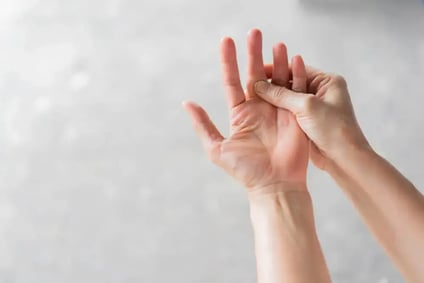
Other symptoms of fibromyalgia include fatigue and weakness. It also causes cognitive problems, such as poor concentration and memory loss, and sleep disturbances when sleep is light and not restful.
Causes of finger pain in fibromyalgia
Tissue inflammation or muscle tension are two of the possible causes of finger pain in fibromyalgia. The diagnosis of this disease is based on established criteria and symptoms, such as widespread pain and fatigue. Upon confirmation of the patient's condition, treatment is designed, which may include guidelines for better sleep, pain medication, heat therapy and massage.
It is important to note that exercise can be beneficial in alleviating the symptoms of the disease. Exercise helps the brain get used to the body's movements, although there is no easy solution to chronic finger pain in fibromyalgia.
Practical tips for relieving fibromyalgia finger pain
There are a few treatments available to relieve finger pain in people with fibromyalgia. For example, medications, physical therapy, physical exercise and occupational therapy.
Applying heat or cold to the affected area, performing stretching and relaxation exercises, and avoiding activities that worsen symptoms are useful recommendations. Therefore, among the most effective practical tips for relieving finger pain in fibromyalgia are the following:
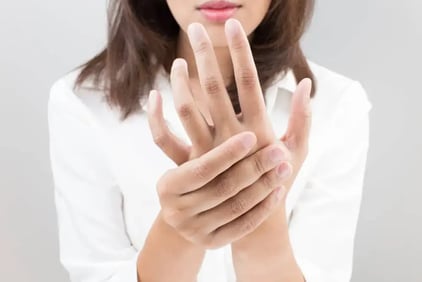
- Hot and cold therapy. Applying ice to inflamed joints can decrease swelling and reduce pain. Alternatively, a hot compress can also be applied to the affected area to relieve pain.
- Hand exercises. Performing hand exercises can help improve flexibility and strength in the fingers. For example, with your wrists and fingers straight, make a "board" with your fingers and then bend your knuckles.
- Rest. It is important to rest your hands from activities that cause discomfort and avoid overuse, as this can help reduce pain.
- Rosemary. Rosemary is a natural remedy that can help reduce inflammation and soothe pain. It is recommended to soak your hands in a mixture made with warm water, 5 sprigs of rosemary and a few drops of lavender oil for a few minutes and you will feel relief.
It is important to remember that if the pain persists or worsens, it is necessary to consult a medical specialist. In addition, the combination of these tips can help relieve pain in the fingers of the hand in fibromyalgia.
How to improve the quality of life of fibromyalgia patients
People with fibromyalgia may be more sensitive to pain than those without, and it can be difficult to diagnose. Lifestyle changes and self-care are key to improving the quality of life for people with fibromyalgia.
Walking 20 to 30 minutes a day can be beneficial, although not enough to get rid of some of the negative consequences of this disease, such as fibromyalgia-induced finger pain. Therefore, there are guidelines and tools available to help patients manage their symptoms and improve their quality of life.
Fibromyalgia affects approximately 2-4% of the general population, predominantly women. It is often accompanied by other symptoms, such as unrefreshing sleep, anxiety and depression. There is no known cure, but maintaining a healthy motor system is highly recommended and, to that end, it may be beneficial to incorporate supplements into a balanced diet. Silicium G7 Activ +, Silicium G7 Neuro Health or Silicium G7 Orgono Articomplex are some of those that take care of bones and joints, contribute to the proper functioning of the nervous system and boost the immune system, thanks to its contribution of silicon and other natural components.
Pain in the fingers can have several causes. It can be a symptom of fibromyalgia, arthritis, tissue inflammation, muscle tension or nerve problems. It can also be caused by overuse, shock, rheumatoid arthritis, carpal tunnel syndrome or even uric acid buildup (gout). Depending on the cause, the pain may feel like burning, throbbing, tingling, stiffness or swelling, and may be accompanied by weakness or difficulty moving the fingers.
You should be concerned about hand pain if you notice any of the following signs:
- Severe pain or pain that gets worse over time.
- Swelling, redness or warmth in the joints.
- Stiffness or difficulty moving the fingers or hand.
- Tingling, numbness or loss of sensation.
- Pain accompanied by fever or general malaise.
- Sudden onset after a blow, fall or accident.
- Chronic pain that affects your daily life and usual activities.
In these cases, it is advisable to consult a medical specialist, such as a rheumatologist or traumatologist, to determine the cause and receive appropriate treatment.
