
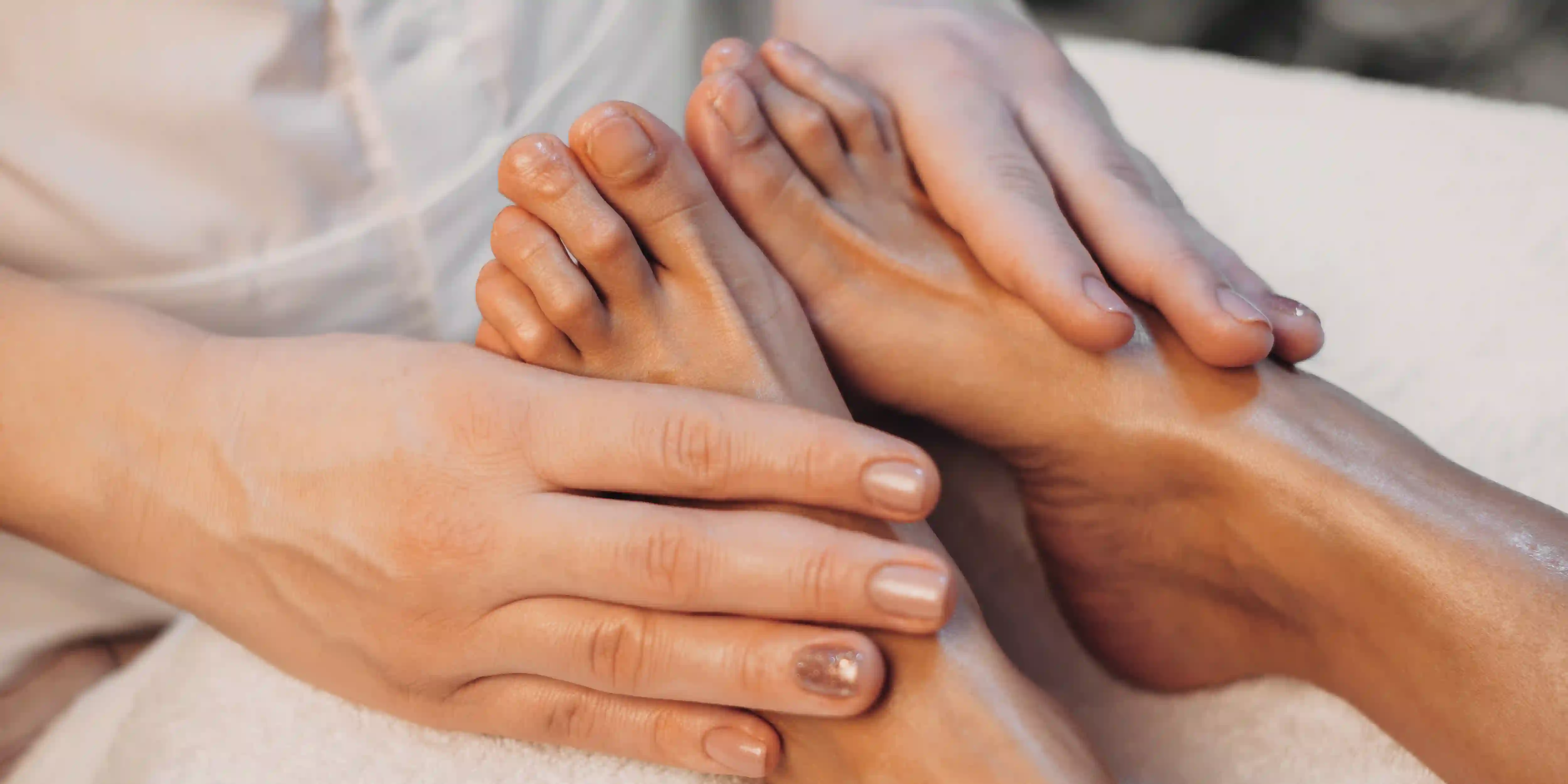
Foot Reflexology: What It Is and How It Affects Emotions
Foot reflexology has an important connection to emotions. This practice has benefits for emotional health, and it has been shown that foot reflexology can reduce pain, reduce tension and relieve symptoms of depression and anxiety.
In this article we answer the most frequently asked questions about what foot reflexology is and what it is used for. Is it effective? What parts of the body are reflected in the feet? What diseases can be treated with foot reflexology?
What is foot reflexology and what is it for?
Foot reflexology is a holistic practice performed on the feet. The concept explains that there are meridian points on the feet that correspond to various organs of the body.
According to various research, reflexology can improve the quality of life in several ways, including reducing stress and balancing the body, energy and mind. This makes it a tool closely linked to the emotions.
Although reflexology took its current name in the early 20th century in the USA, it is an ancient medicine that we can read about as far back as 2330 BC.
Foot reflexology: benefits
Foot reflexology can help in the following cases:
- Stress and anxiety.
- Pain management.
- Visual fatigue.
- Insomnia or poor quality sleep.
What diseases can be treated with foot reflexology?
According to several researches: foot reflexology can positively influence the treatment of several health problems:
- Low back pain.
- Migraines and headaches.
- Stress.
- Hypertension.
- Sleep disorders.
- Muscular diseases: In these cases it is advisable to consider taking an organic silicon supplement such as G7 Original Dynamized, since it is an indispensable element in the synthesis of collagen, whose function is vital to nourish muscles and tendons and give them greater elasticity.
- Symptoms of multiple sclerosis, such as increased muscle tone and stiffness, urinary problems and muscle weakness.
- Peripheral neuropathy in people with diabetes.
- Asthma.
- Depression.
- Anxiety.
How effective is reflexology?
Foot reflexology has not been scientifically proven to cure or prevent any medical condition or disease.
Research trials have shown various results suggesting that this practice can contribute positively in the treatment of various pathologies or conditions named above, highlighting pain relief, relaxation, stress reduction and emotional well-being.
There are certain factors that can influence the effectiveness of reflexology:
- Environment: Reflexologists often use relaxing music, lighting and aromas during foot reflexology sessions, which can help facilitate relaxation, stress, anxiety and pain relief.
- Specialist support: During the session, you can talk with the therapist and share your concerns, overcome personal challenges or gain clarity. This psychological support, especially combined with relaxation therapy, may improve overall well-being.
- Foot massage: Human touch has been shown to function as a tool to provide comfort and promote healing. Reflexology sessions involve foot touch and manipulation of foot tissues.
- Placebo effect: As with many therapies, the expectation and hope for positive results plays an important emotional role through the power of suggestion. This is not to say that positive results are not real, but simply that they may not have occurred just because of the foot reflexology treatment per se.
Regardless of whether or not foot reflexology techniques are directly responsible for the improvement results, they may benefit some people and are worth trying since they present virtually no risks or contraindications (as long as they do not interfere with standard medical care).
In addition to physical symptoms and sensations, often people who attend foot reflexology sessions describe feeling excited and taking a more reflective stance in their lives after the sessions.
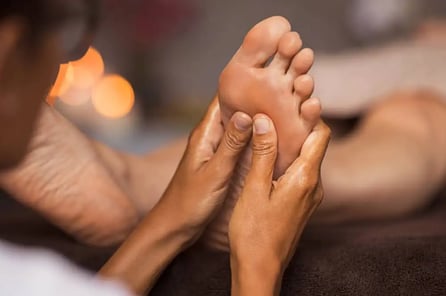
When not to do foot reflexology?
Reflexology may not be appropriate if any of the following conditions are present:
- Circulation problems in the feet.
- Inflammation or blood clots in the veins of the legs.
- foot ulcers
- Fungal conditions on the feet (e.g., athlete's foot).
- Low platelet count (as you may bruise or bleed more easily).
When should reflexology massage not be performed?
There are some cases in which foot reflexology is not usually recommended. To be sure, it is best to ask a health professional, as well as a reflexology expert, who should be informed of any medical conditions present, treatments being performed and medications being taken.
Foot reflexology: pressure points
According to foot reflexology specialists, there are several pressure points on the foot that play a role in the health of an organ or system in other parts of the body.
The various pressure points on the foot, from the top of the toes to the ankle, are thought to affect health in other areas such as:
What parts of the body are reflected in the feet?
| Top of the toes | Head/brain |
| Middle of the toes | Face and sinuses |
| Bottom of toes | Teeth, gums and jaw |
| Base of little finger | Neck |
| Outer lateral side of the foot | Arms, elbows, knees and legs |
| Medial outer side of the foot (near center) | Neck, brainstem, thymus, spine and bladder |
| Lateral side of the ankle | Lower back |
| Medial side of the ankle | Lymph glands, fallopian tubes and groin |
| Medial side of the upper foot | Lungs, chest, breasts, upper back and waist |
What does the right foot mean emotionally?
On an emotional level, the right foot is related to the masculine, the rational, action and the past.
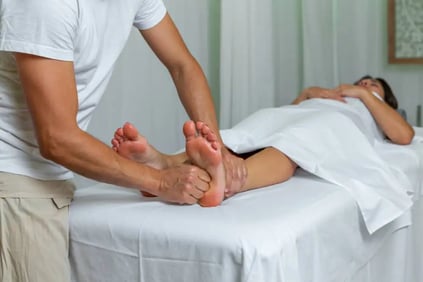
Foot reflexology and emotions: Did you know that your feet can show your emotional state?
Foot reflexology is a therapy that can contribute positively in the treatment of a multitude of health problems or emotional imbalances.
Foot reflexology - emotions? The two are closely connected. The feet are an important reflection of the person, their body and their emotional condition. Thus, the work of certain points located on the feet can help in a holistic way to make the person feel more balanced and get to experience a sense of greater well-being in the physical and bodily, mental and emotional.
When we experience the same emotion over and over again, it can begin to create physical changes in your body, in this case in the feet. Changes that a reflexologist knows how to interpret. The color, the toes, the state of the heels... Everything has a meaning that reflects the emotions.
