
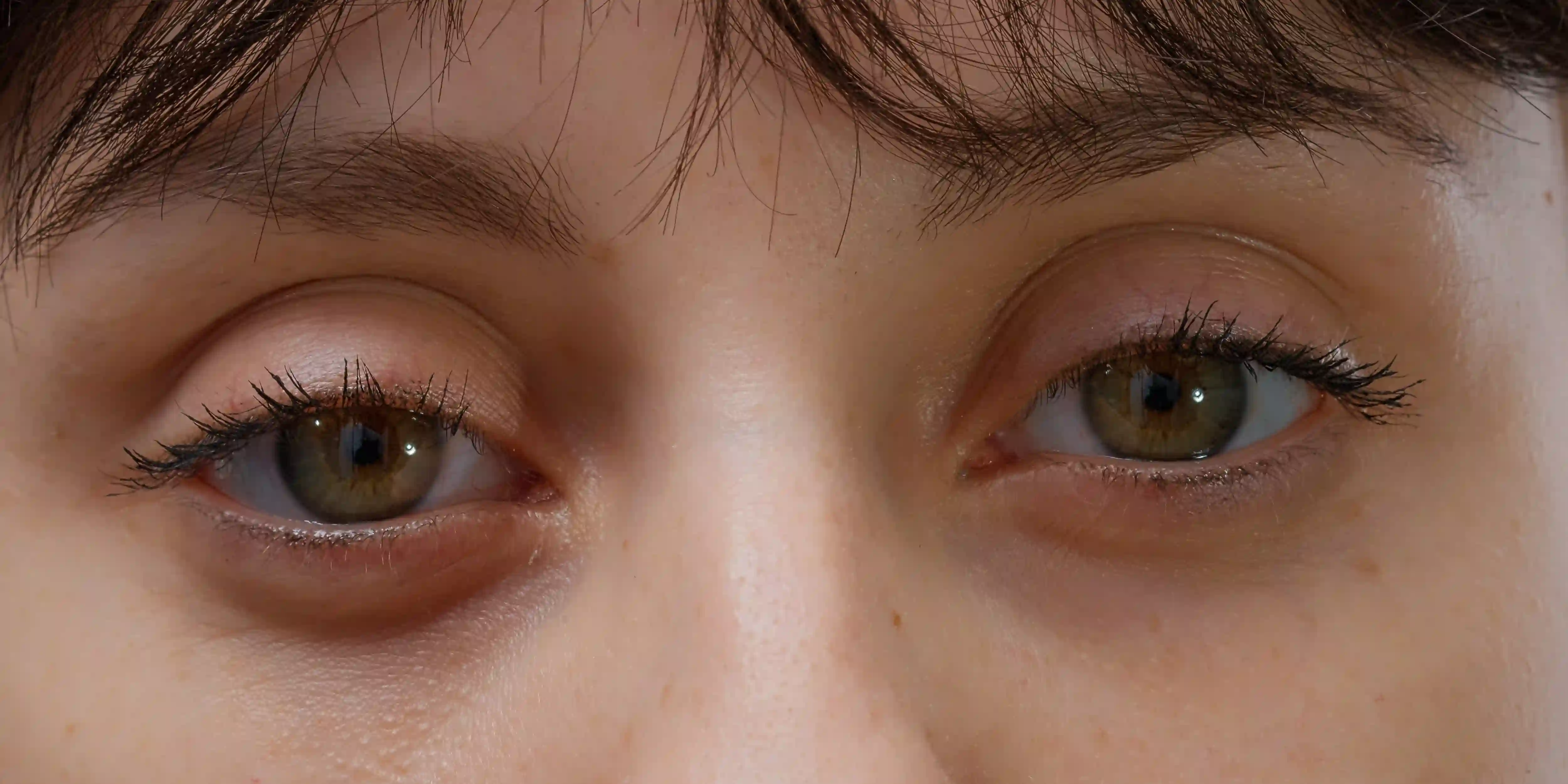
One drooping eyelid and the other isn't; how to treat it naturally
Have you noticed, when you look in the mirror, that you have one eyelid drooping and the other not? Don't panic, there are many reasons why this can happen. However, the most common cause is tissue aging and loss of muscle function.
In this article we tell you the causes of this problem and how you can help your body prevent tissue aging so that not even the force of gravity can bend them.
Why do I have a drooping eyelid and not the other one?
Ophthalmologists call the fact of having one eyelid drooping and the other not drooping ptosis. This can be caused by various factors -pathological, congenital, age-related...-. It is something that can occur at any age and can be punctual or chronic. In general, it can always be resolved with proper treatment.
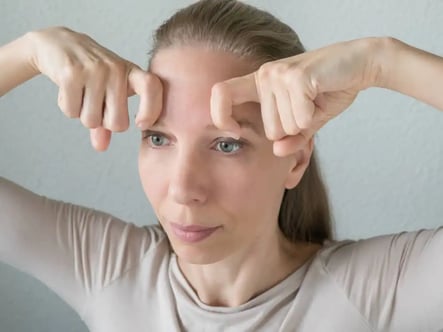
When one eyelid droops and the other does not, what happens is that the levator muscle of the eyelid has lost its tensor action. Why does this happen? There are several reasons, these are the main ones:
- The aging of the tissues, due to the simple fact of the passage of time.
- Genetic inheritance, so the eyelid is drooping from birth.
- Problems in the nervous system; that is, the nerve signal that activates the muscle fails.
- Common diseases affecting the eyes, such as conjunctivitis or sties, viral or bacterial infections...
- The appearance of tumors or cysts in the eyelid.
It is necessary for a professional to determine the cause of one eyelid drooping and the other not, in order to establish the appropriate treatment. This depends on the cause and can be a treatment based on drugs to reconstructive surgery.
However, some of these causes can be prevented, so the ideal is to improve the motor function of the eyelid muscle and tissues to avoid premature aging.
Loss of tissue elasticity
Both skin and muscle tissues lose flexibility and firmness with age.
The eyelid gradually droops over time. The eyelid elevator muscle loses strength and the skin becomes flaccid and heavy.
As the years go by, the metabolism of the skin cells slows down, which influences the rate at which collagen is synthesized. This causes the skin's firmness and elasticity to be compromised.
Therefore, to care for mature skin, the three skin layers - epidermis, dermis and hypodermis - must be taken care of. To do this, we must ensure adequate hydration and stimulate the natural cell renewal process.
How to prevent the body's tissues from losing elasticity
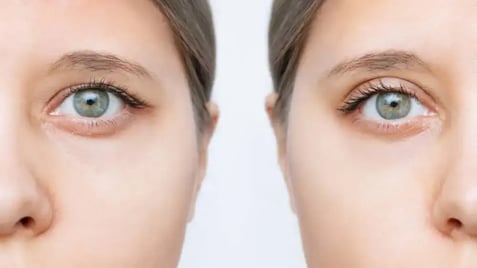
As we pointed out earlier, it is essential to moisturize the skin and promote the skin cell renewal process in a natural way. To do this:
- Take care of your skin with periodic exfoliations and daily moisturizing. Nourish your skin inside and out with the Beauty Pack: Silicium G7 Beauty + Silicium G7 Rosehip. A complete routine can include facial gymnastics that includes specific exercises for the eyelid. It can be done while applying the Rosehip.
- Maintain a healthy diet and supplement it in a way that helps your body produce collagen. You can opt for:
- Supplements based on silicon such as Silicium G7 Original.
- Living Silica Hydrolyzed Collagen Peptides, which boosts collagen naturally.
- Exercise and rest. Healthy habits keep cells young. They also provide a sense of well-being that promotes vitality.
Don't forget that to avoid having one eyelid drooping and the other not due to infections or eye diseases, you can protect your body with:
- Silicium G7 Defender, which includes 17 natural adaptogenic active ingredients related to defenses. At certain times of the year it helps your immune system, for example, to fight colds in autumn and winter.
- Silicium G7 Vision, which provides antioxidant nutrients and helps slow down eye aging. It prevents eye conditions and keeps the muscles of the mobile eyelid healthy.
As you can see, prevention is the key. However, if you notice that you have a drooping eyelid and the other one does not, do not hesitate. See a specialist and rule out any complications.
