
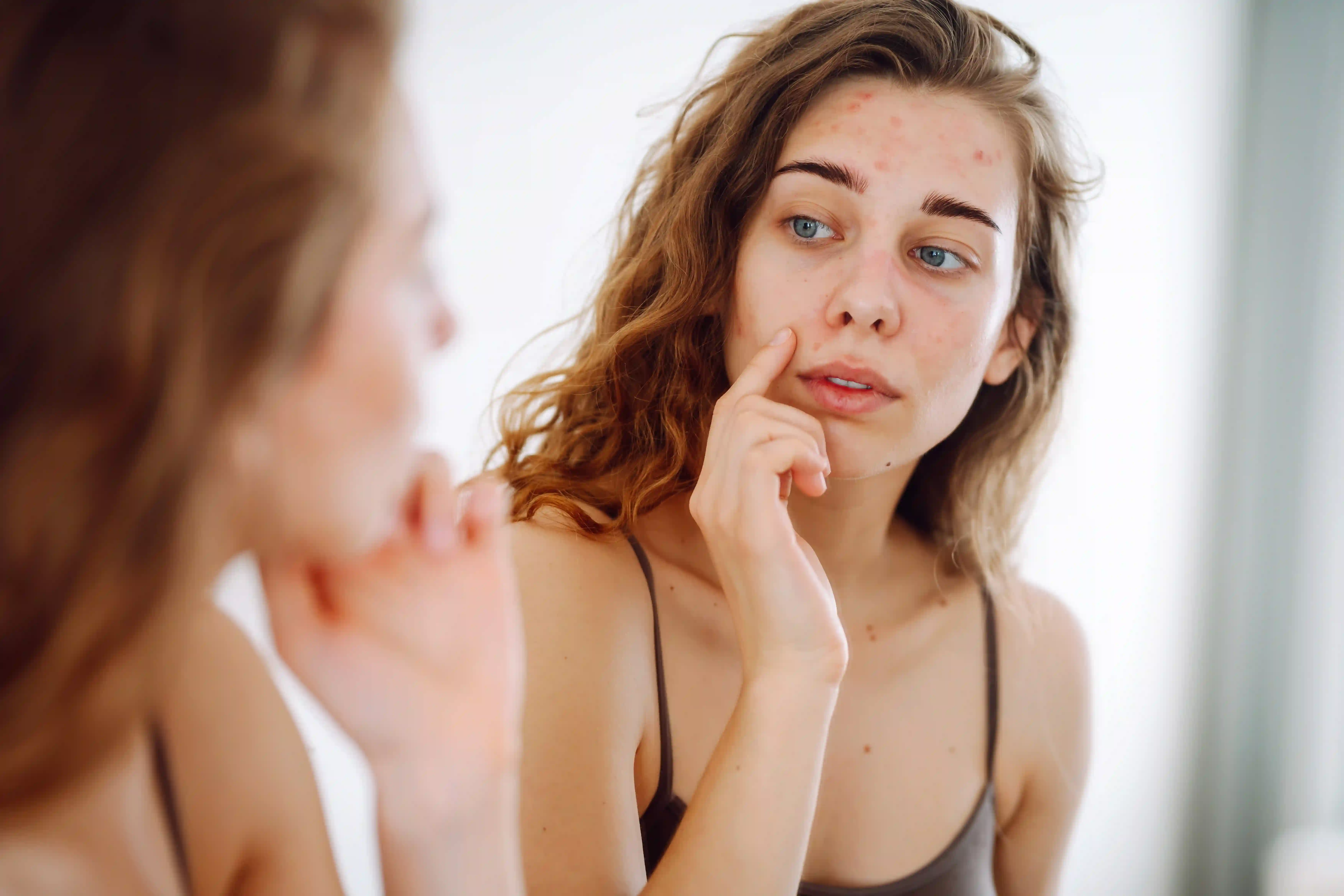
Do you have atopic dermatitis on your face? Causes and treatments
Atopic dermatitis (AD) is a very common type of eczema that affects both children and adults, it is a chronic condition that appears and may disappear for a while and even for life, but also alternates with other types of eczema. What are the causes of dermatitis and what treatments are available?
What is atopic dermatitis and why does it appear on the face?
Atopic dermatitis is a condition whose causes are still not entirely clear. Science has not been able to determine why it appears, although it is known that the immune system becomes hyperactive and disordered, which causes great inflammation responsible for damage to the skin barrier, leaving it extremely dry, with rashes and itching, which can also have different colors such as brown, grayish or purple.
Some research, such as that published in the National Library of Medicine (NIH) has shown that atopic dermatitis has a complex etiology that includes genetic and environmental factors that lead to abnormalities in the epidermis and the immune system, and deduces how some people have a mutation of the gene responsible for creating filaggrin, a protein that helps keep the skin barrier healthy.
Atopic dermatitis, according to the report, usually begins in infancy during the first six months of an infant's life. And while in some cases, the condition is milder and improves seasonally, in others, it can worsen and flare-ups continue for life into adulthood, even coexisting with other allergic conditions such as asthma or hay fever, conditions that aggravate or can trigger the onset of atopic dermatitis.
Symptoms of atopic dermatitis and which people are at risk for it
The most common symptoms of atopic dermatitis, especially visible on the face, is excessive itching that develops daily and is accompanied by pain and discomfort at bedtime.
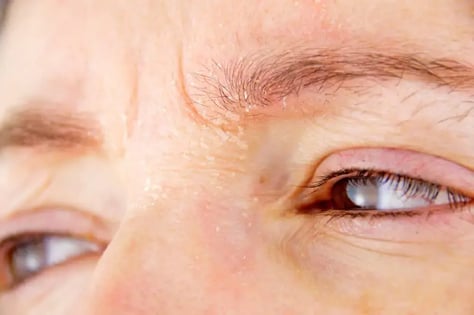
When the itching starts to develop on other parts of the body, where the rashes ooze fluid or bleed when scratched, atopic dermatitis is already a problem. The skin may become discolored, dry to the point of thickening and subsequent hardening, a process called lichenification.
Another research published in the scientific journal of (EAACI), the European Academy of Allergy and Clinical Immunology, concludes that other triggering factors of atopic dermatitis are environmental causes affecting susceptible individuals. And among these, it cites how extrinsic factors such as low microbial exposure and diversity, antibiotic exposure, urban environment, exposure to tobacco smoke, stress, food and pollutants are equally important for the development of atopic dermatitis.
How to prevent, treat and relieve atopic dermatitis
Atopic dermatitis has different treatments that, in general, are based on bathing routines, continuous hydration of the skin, a healthy diet, or other stronger treatments in more severe cases such as the use of topical corticosteroids, etc.
However, when the condition appears and disappears in a mild form, treatments include:
- Managing stress
- Eating a healthy diet
- Following sleep routines and ensuring quality sleep.
- Avoiding known triggers
- Maintaining regular bathing habits and constant moisturizing to protect and strengthen the skin barrier.
In more severe cases, other treatments available include topical non-steroidal biologics, corticosteroids or topical corticosteroids. It should be noted that continued or chronic use without long periods of rest leads to some long-term side effects, such as the appearance of stretch marks, atrophy or potential thinning of the skin, telangiectasis or spider veins, and in more severe cases, progressive muscle weakness, increased risk of infections and delayed wound healing.
In short, atopic dermatitis still has no cure, so the sufferer suffers from inflammations on the face that come and go and damages the skin barrier, leaving it very dry and prone to rashes and itching, so it is essential to use creams with Organic Silicon as Silicium G7 Soriaskin, composed of plants such as echinacea, with powerful antioxidant and anti-inflammatory effects for the skin or horsetail, very effective for its healing and hemostatic properties, a cream that acts as a daily protection for itchy, irritated or prone to dryness and flaking skin.
In addition, this treatment can be combined with drinkable formulas such as Silicium G7 Original, composed of minerals capable of promoting natural collagen in the body, nourishing cells and maintaining optimal skin health.
