
Diet for Gout: Everything You Need to Know
Need to know what foods to include in your diet for gout? Surely you already know that one of the most important aspects to keep this disease at bay is to follow a healthy diet, paying attention to everything we eat. For this reason, in this article we will explain exactly what gout is and we will help you to discover which foods are allowed and which are totally forbidden.
In addition, we will explain the symptoms of this ailment and somehome remedies to prevent an outbreak. Take note!
What is gout?

Gout is a rheumatic disease, although more accurately we can speak of a type of arthritis. It occurs when uric acid levels in the blood are well above normal levels and our body is not able to eliminate it naturally through the kidneys.
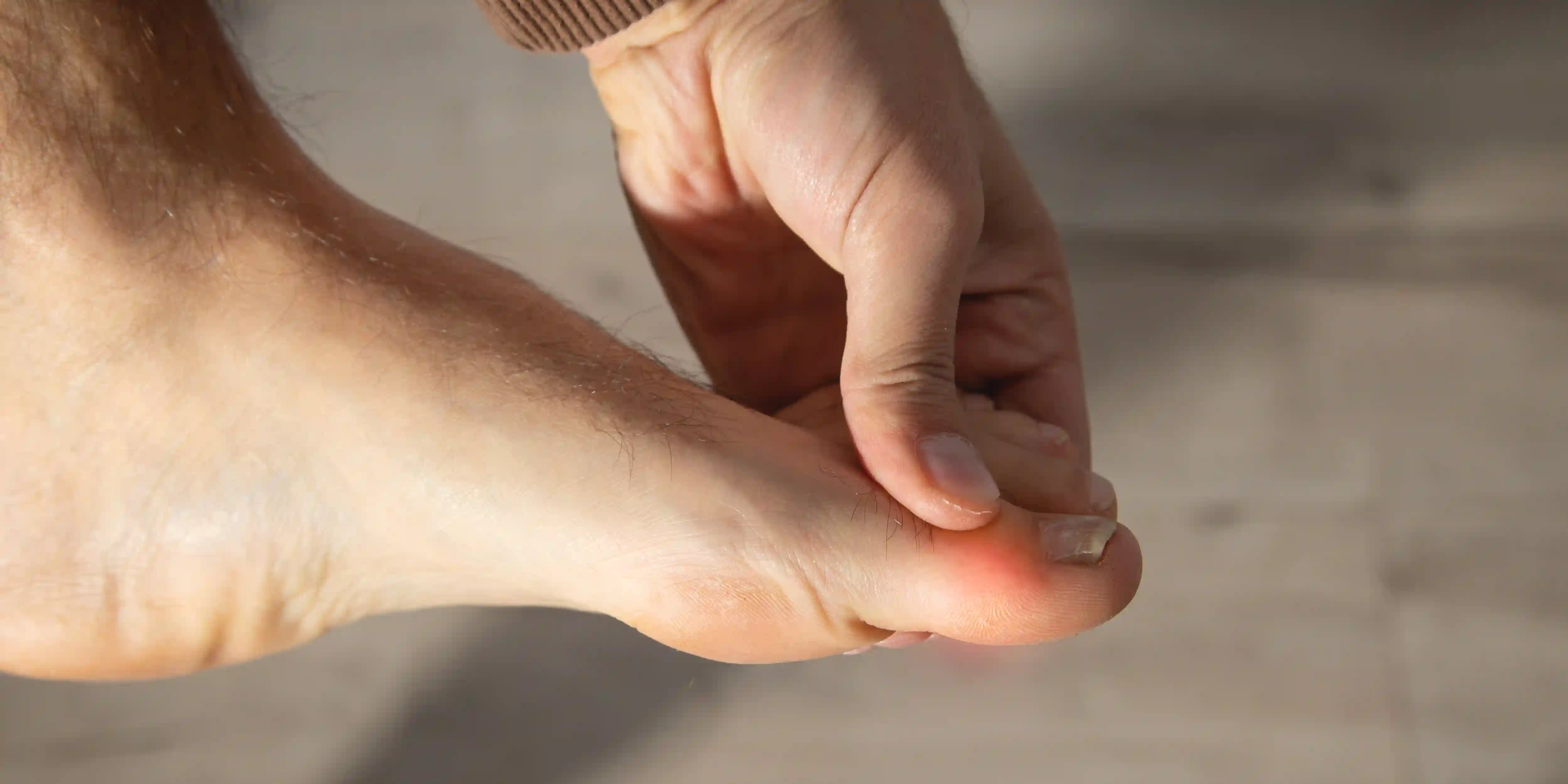
This substance accumulates in the form of crystals in the tissues and joints, especially in the feet and thumbs. But, according to the Spanish Society of Rheumatology (SER), gout can also develop in other areas such as ankles, knees and even fingers. These crystals that form as a result of uric acid are called tophi and can be visible to the naked eye.
Gout symptoms and risk factors
Gout is a disease that, a priori, can go unnoticed, because pain or other warning signs are almost imperceptible. For this reason, one way to be forewarned of this problem is to perform routine blood tests. To learn a little more about this ailment, let's discover some of its main symptoms:
- Acute pain and inflammation in the joints.
- Tight skin that may appear to be shiny.
- The affected joint becomes red and warm.
- There is an increased sensitivity to touch the skin.
- Occasionally, fever may occur.

These symptoms usually appear and last between 3 and 10 days, then tend to disappear, sometimes even without treatment. But, the reality is that with the passage of time, these symptoms become more frequent and intense, becoming chronic. As we mentioned at the beginning of the article, the presence of this substance is directly linked to food, but the reality is that there are also other risk factors, such as:
- Genetics.
- Hormonal changes.
- Taking certain drugs, such as vitamin niacin, levodopa, diuretics...
- Being obese or overweight.
- Men are more likely than women, in fact, it is more common in men between 35 and 50 years of age.
- Other diseases, such as kidney failure, diabetes, hypothyroidism, high blood pressure, cholesterol, among others.
What should I eat if I have gout?
To begin with, it is important to know that the gout diet has very clear objectives: to have an adequate weight and follow a healthy diet; to avoid some foods considered forbidden; and to include others that serve to control gout attacks. Therefore, to avoid the onset of symptoms, it is advisable to include some of the following foods:
- Fruits, such as strawberries, blueberries, cherries... And also citrus fruits, such as oranges, grapefruits or lemons, as their alkalizing power serves to decrease the amount of uric acid. In addition, you can not forget apples, grapes and bananas.
- Dairy and dairy products, but always in skimmed version.
- Nuts, such as almonds, hazelnuts and walnuts.
- Vegetables, especially turnips, celery, cauliflower, cauliflower, carrots and potatoes.
- Olive oil.
- Linseed and chia seeds.
- Oatmeal, rice, corn...

What not to eat for gout?
On the other hand, in the diet for gout, we also find certain foods that are totally forbidden, as well as others whose consumption should be limited to keep uric acid levels under control. For this reason, paying attention to the following recommendations is essential to prevent an attack:
- Red meats, such as veal, beef, beef, lamb... and offal, because as they contain large doses of purine they cause an increase in uric acid in the blood.
- Shellfish, such as prawns; crustaceans, such as crabs; and mollusks, such as clams.
- Oily fish, such as sardines, salmon or anchovies, since their Omega-3 content also increases uric acid levels.
- Caffeinateddrinks and alcoholic beverages.
- Beverages and foods with added sugars.
On the other hand, there is also a list of foods whose consumption should be limited , for example:
- Leafy vegetables, such as spinach and chard.
- Mushrooms and mushrooms.
- Asparagus.
- Hake, codfish, sea bass...
- Chicken, turkey, duck, partridge and rabbit.
- Peas, beans, broad beans, lentils...
- Wheat bran.
- Seeds, peanuts, roasted corn...
Home remedies for uric acid

Now that you know the importance of following a diet for gout, paying special attention to everything we eat and completely discarding those forbidden foods. Also, we can resort to some of these home remedies:
- Good hydration. To control gout attacks it is very important to be well hydrated to eliminate toxins. You can drink water alone or through infusions.
- Blueberries. These fruits help reduce uric acid levels in the blood, just take a handful a day, or take it in capsules.
- Carrot and beet juice with watercress and cucumber. This smoothie will help you to lower uric acid and improve the pain caused by gout.
- Nettle tea because it has a great anti-inflammatory power and improves circulation, reducing inflammation in the area.
- Horsetail infusion because its diuretic and anti-inflammatory power improves symptoms and contributes to the elimination of uric acid through urine.
- Onion infusion. In addition to adding it to your recipes, try boiling it and drinking the infusion when it has cooled.
As you have seen, the gout diet is essential to control the production of uric acid. Therefore, it can be said that following a healthy diet is essential to prevent the onset of this ailment, but sometimes, it may not be enough. At that time, you can also resort to natural supplements, such as those with vitamin C or diuretic power to promote the elimination of toxins, such as Silicium G7 Siliplant, formulated based on rosemary, horsetail and organic silicon.
In spite of all the above and depending on the degree of the disease, diet alone will not be enough for gout and it will be necessary to resort to medication prescribed by a doctor, follow good eating habits, carry out routine controls, take the medication and supplement the diet with supplements. But, in any case, both the elimination of certain foods and physical activity can help you keep uric acid levels in the blood at bay.
Fruits such as cherries, blueberries and citrus fruits; skimmed dairy products; nuts; selected vegetables; olive oil; flaxseed and chia seeds; oats, rice and corn.
To reduce uric acid, your diet should focus on foods low in purines and rich in nutrients that promote its elimination.
Water, diuretic infusions such as horsetail, nettle tea and vegetable juices that help eliminate uric acid.
