
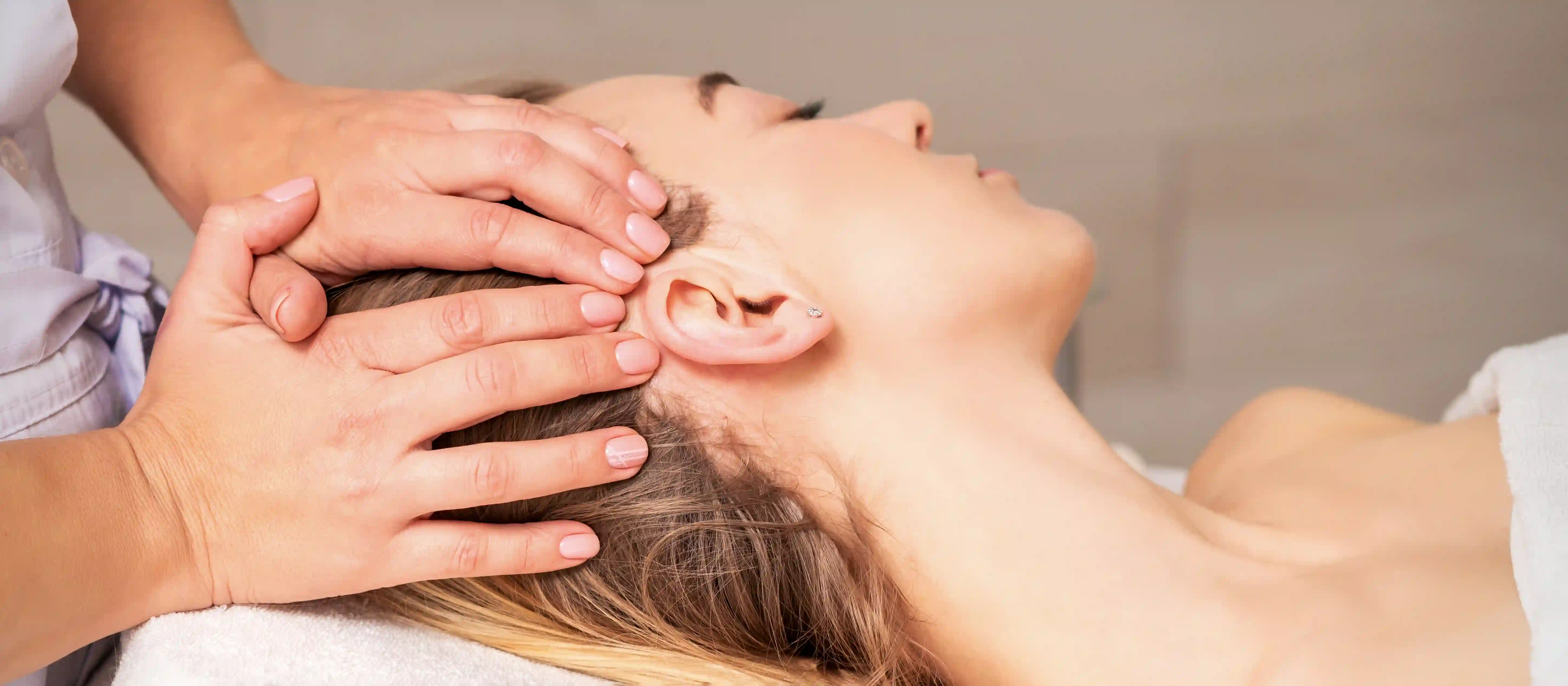
Craniosacral Therapy: How It Works and What Its Benefits Are
Craniosacral therapy is a gentle massage technique that relieves compression in the bones of the head, sacrum - triangular bone in the lower back - and spine. This therapy is able to release tension around the body ' s network of connective tissue called fascia, helping to relieve head and neck pain.
In this article we explain what "cranio-sacral" (therapy) means, what its benefits are and what conditions or ailments it can improve.
What is craniosacral therapy?
Craniosacral therapy is a (non-invasive) technique or body massage that relieves compression in the bones of the head, sacrum and spine.
This therapy exerts gentle pressure on the head, neck and back to relieve stress and pain caused by compression.
Gentle manipulation of the bones of the skull, spine and pelvis can normalize the flow of cerebrospinal fluid in the central nervous system. This removes "blockages" to normal flow, which improves the body's ability to heal.
What is craniosacral massage and how is it performed?
Craniosacral therapy focuses on gentle placement of the hands to help release tension in your body's connective tissue (fascia). This is a "casing" found throughout the body, it guards and holds in place the organs, glands, nerves, muscles, blood vessels, brain and spinal cord. Fascia forms a network of connective tissue throughout the body.
There are trace elements that are essential for the structural function of the body, such as silicon, a component of connective tissue. When the connective tissue is weak we can suffer from: unstable joints, organs that detach, dull and inelastic skin, stretch marks, cellulite or dilated arteries, among others. It is important to take into account that, after the age of 35, the level of silicon is reduced through food. Therefore, providing an adequate dose through a quality supplement such as Silicium G7 Original, highly assimilable organic silicon that provides a higher availability than other forms of silicon, which guarantees its effectiveness.
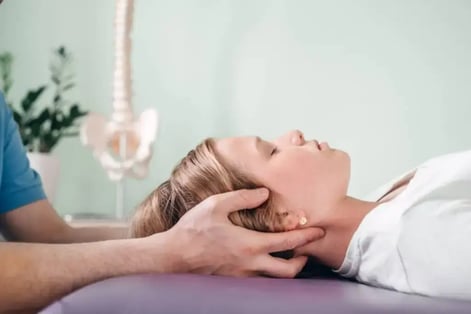
The human body is interconnected, which means that one area of your body can affect another. The goal of craniosacral therapy is to relieve tension. In turn, this can help other connected parts of your body function better through processes of:
- Self-regulation.
- Self-correction.
- Self-healing.
What ailments can be improved through craniosacral massage (therapy)?
Craniosacral therapy helps relieve symptoms of conditions such as:
- Complex regional pain syndrome.
- Fibromyalgia.
- Chronic pain.
- Headaches, such as migraines.
- Neuralgia.
- Post concussion syndrome.
- Scoliosis.
- Temporomandibular joint syndrome.
Benefits and Uses of Craniosacral Therapy
Craniosacral therapy improves compression in the head, neck and back and helps restore lost mobility. This relieves pain, relieves stress and tension, both emotional and physical.
Cranial sacral therapy can be used on people of all ages, and is even very beneficial for children. It is used as part of the treatment of conditions or ailments such as:
- Migraine or headache.
- Constipation.
- Autism.
- Autoimmune disorders.
- Irritable bowel syndrome (IBS).
- Insomnia or altered sleep cycles.
- Scoliosis and back pain.
- Mood disorders (anxiety, depression, stress...).
- Sinus infection.
- Recurrent ear infections or colic in infants.
- Recovery from joint trauma - In these cases, the joint gel with silicon and magnesium, Orgono G7 Sport Gel, helps relieve joint and tendon overload.
- Pregnancies with complications.
- Cervical pain.
- Fibromyalgia.
- Tinnitus.
What does science say about the uses of craniosacral therapy?
The evidence so far shows that it can reduce stress and tension, and be an effective treatment or part of it, for various conditions or ailments, being especially useful in infants and children.
Several studies found that craniosacral therapy was effective in reducing symptoms of severe migraines. Others found improvement in people with fibromyalgia suffering from pain and anxiety, thanks to craniosacral therapy. Here are some studies that found benefits of craniosacral therapy:
- Study 1: Analyzed the effects of this therapy in people with fibromyalgia. The results showed that those patients who were treated with craniosacral therapy, compared to those who received a "placebo" therapy, experienced improvements in pain in the medium term.
- Study 2: This study also focused on patients with fibromyalgia and found that this craniosacral manipulation can reduce anxiety and improve the quality of life of these patients.
- Study 3: Studied the impact of craniosacral therapy in conjunction with acupuncture in adults with asthma. The findings showed that both therapies provided benefits when used in conjunction with conventional asthma treatment. The combination of both therapies did not show any benefit compared to using either therapy alone.
- Study 4: This study looked at craniosacral therapy applied to multiple sclerosis patients with lower urinary tract symptomatology. The study found that these individuals were able to improve both their quality of life and their ability to empty their bladder through the application of craniosacral therapy.
*It is important to note that research on craniosacral therapy is limited, there are not many references. However, its almost non-existent risks and benefits make it an interesting complementary therapy for some people, particularly in relation to stress and anxiety reduction.
In addition, it helps to inspire a change of attitude towards the pursuit of health and well-being. Practitioners and professionals of craniosacral therapy should always inform you about its uses and limitations. This therapy should not be used as a substitute for other previously prescribed medical treatment, but as a complement.
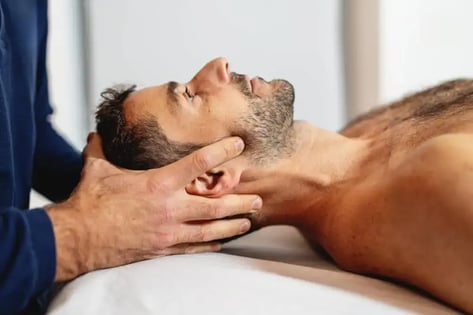
Craniosacral therapy: contraindications
This therapy is not recommended in the following cases:
- Blood clots.
- Cerebral concussion.
- Brain inflammation.
- Brain aneurysm.
- Chiari malformation.
- Conditions causing pressure, flow or accumulation of cerebrospinal fluid.
Craniosacral therapy: dangers?
This therapy is an alternative, non-invasive and gentle treatment. Therefore, its side effects or risks are practically non-existent. In some isolated cases, the following may occur
- Dizziness.
- Tiredness.
- Mild discomfort.
Craniosacral therapy: more than a massage
Craniosacral therapy is a complementary tool that connects the physical, emotional and spiritual. A holistic approach that can accompany other treatments and with virtually no risks or side effects.
The therapy should be practiced by chiropractors, osteopaths, physiotherapists or occupational therapists with specific training in the craniosacral area. Its greatest benefits have been shown in people with episodes of stress, anxiety, or pain and tension in the cervical area. If you think that this therapy could benefit you, consult your case with a professional so that he/she can guide you in a personalized way and obtain optimal results.
