
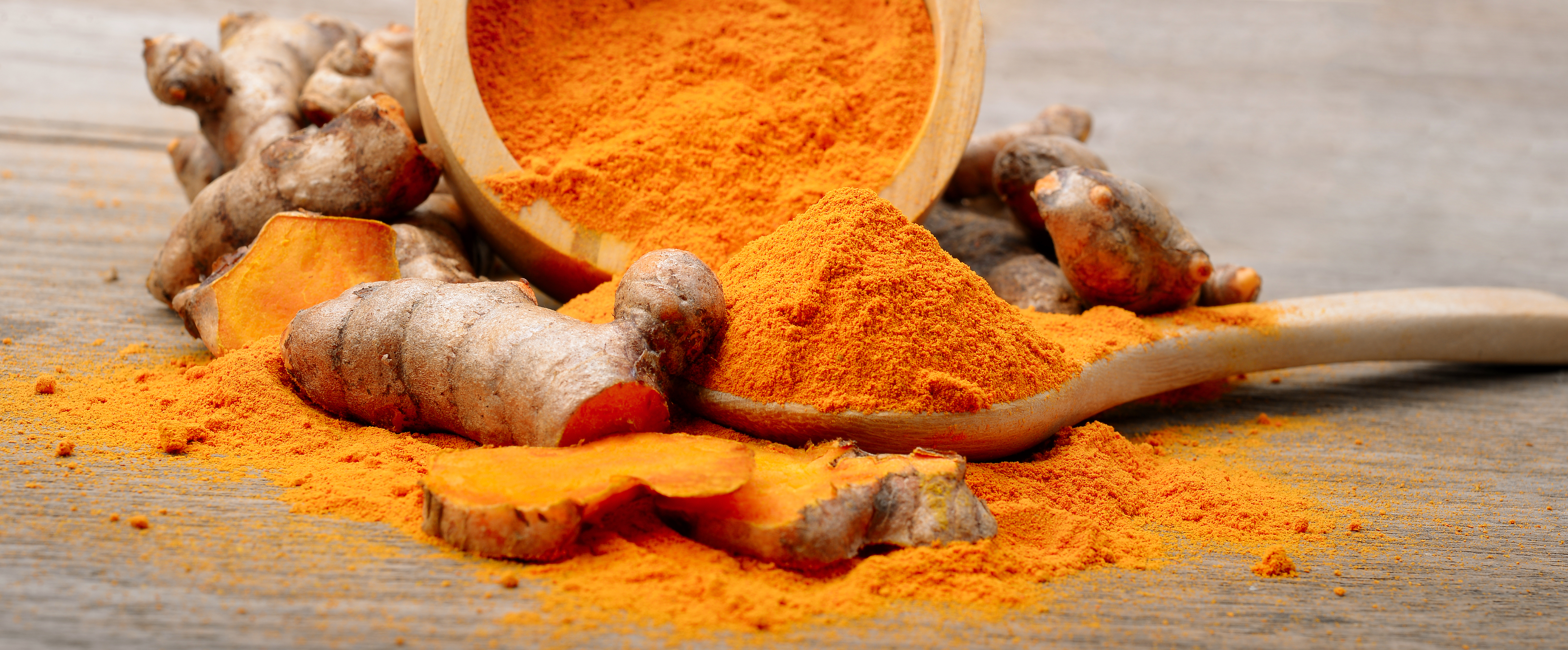
The Benefits of Turmeric Tea: A Natural Boost for Your Health
Turmeric is a spice known for its health benefits that can be used and consumed in many ways, including as an infusion. If you have not yet tried turmeric infusion, we recommend that you do so to maximize your health.
In this article we tell you:
- What are the health benefits of turmeric?
- How turmeric infusion helps you to boost your health
- Different turmeric tea recipes
What is turmeric: origin and ways of consumption
Turmeric is a spice with an origin dating back more than 4,000 years in South Asia. Throughout history, it has been appreciated both in cooking and in traditional medicine for its therapeutic properties. And it remains so today.
There are several ways to consume turmeric:
- Turmeric powder: it is frequently used as a spice in cooking.
- Turmeric capsules: are an interesting option for those who do not enjoy the taste of turmeric and for a simple and quick consumption.
- Turmeric infusion: is a form of consumption that has gained popularity due to its higher bioavailability. This means that the body can absorb more of turmeric's beneficial compounds more effectively when consumed as an infusion.
The best time to consume turmeric infusion is in the morning or before meals. This maximizes the absorption of its compounds. This infusion can be taken up to three times a day. However, it is important to take into account individual needs and to pay attention to how the body reacts when it is taken.
Benefits of turmeric infusion
Turmeric infusion is not only a tasty and comforting drink, but also has many health benefits. In this regard, it is well known for its use in Ayurvedic medicine, where turmeric has been used for a multitude of uses, from pain relief to promoting good digestion.
Today, science has begun to support many of the ancient uses. In fact, many studies on the benefits of turmeric have been conducted in recent years.
Here's what those benefits are and how turmeric tea can help improve health.
It is a powerful antioxidant
Turmeric is a rich source of antioxidants, essential to protect our cells from damage caused by free radicals. Therefore, consuming turmeric infusion provides you with a healthy dose of antioxidants that can help neutralize these free radicals.
It has anti-inflammatory properties
Turmeric contains curcumin, a compound with potent anti-inflammatory properties. Inflammation is a natural response of the body to injury or infection, but when it becomes chronic, it can lead to various diseases. Turmeric infusion can be conducive to reducing inflammation in the body, and it works especially well when combined with other eating habits geared toward that same goal - if you want to delve into that approach, the anti-inflammatory eating guide details which foods to boost and which to cut back on to keep inflammation in check over the long term.
Improves brain function
Some studies also suggest that turmeric may boost brain function and reduce the risk of brain diseases, such as Alzheimer's. This is because curcumin can cross the blood-brain barrier and has neuroprotective properties. For example, one study found that tumercone, a compound present in turmeric, may be useful in the treatment of neurodegenerative diseases.
It has benefits for the heart
Turmeric may support heart health by improving the function of the endothelium, which is the lining of blood vessels. This can also help regulate blood pressure.
Improves skin health
Thanks to antioxidant and anti-inflammatory properties, turmeric can support skin health. In this regard, consuming turmeric infusion can reduce redness and inflammation, improve acne and delay the signs of aging. It can be an excellent natural remedy in the skin care routine.
Improves digestion
Turmeric can help improve digestion by stimulating bile production in the liver. In this regard, it can reduce symptoms of digestive disorders such as irritable bowel syndrome and Crohn's disease.
Lowers cholesterol
Turmeric can improve blood cholesterol levels. High cholesterol is a risk factor for heart disease. As a result, taking turmeric infusion is a good remedy to strengthen the immune system.
Strengthens the immune system
Turmeric is rich in bioactive compounds, which can strengthen the immune system, the main line of defense against viruses and bacteria. Therefore, turmeric infusion can be an excellent way to improve defenses and strengthen natural health.
Relieves arthritis symptoms
We have already seen that turmeric is an important ally to cope with diseases such as arthritis. Although it has no cure, thanks to alternative medicine much research has been done on ways to deal with its treatment and one of the elements that has given the best results has been turmeric. In fact, one study found that various natural compounds, such as curcumin, prove to be a much more potent anti-inflammatory and anti-proliferative agent than others of pharmacological origin. In addition, another animal study found that curcumin is able to alleviate arthritis-induced inflammation.
Helps in the prevention of type 2 diabetes
Type 2 diabetes is another disease that has no cure, but if you take turmeric infusion you can regulate blood sugar levels.
Possible Risks and Side Effects of Turmeric Tea
Although turmeric is generally safe for most people, excessive consumption may cause some side effects. These may include stomach upset, nausea, diarrhea, and dizziness. In addition, in very high doses, turmeric can cause stomach ulcers.
Moreover, it may interact with certain medications, such as anticoagulants, and increase the risk of bleeding. Hence the importance of informing the doctor about its consumption, so that interactions can be evaluated.
Who should not take turmeric infusion?
People with gallbladder disorders, bile duct obstruction, stomach ulcers or gastroesophageal reflux should avoid turmeric . It should also be avoided by people who are about to undergo surgery or who are taking anticoagulant drugs.
On the other hand, pregnant and breastfeeding women should also consult their doctor before consuming turmeric.
Healthy alternatives: infusions or teas
For people who cannot consume turmeric for any reason, there are many other natural alternatives of infusions and teas that can be valued:
- Green tea is rich in antioxidants and can improve heart health and brain function.
- Ginger tea can aid digestion and relieve nausea.
- Chamomile tea is known for its calming properties and may help improve sleep.
- Rooibos tea is another antioxidant-rich and caffeine-free option.
- Horsetail tea has many healthful benefits.

How to make turmeric tea
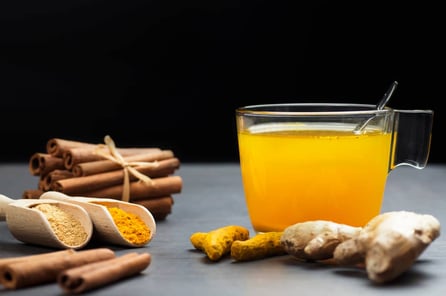
Turmeric infusion is a very easy drink to prepare. To make it, you will need one teaspoon of turmeric powder, two to three cups of water and sweetener (honey or agave syrup). Follow this easy process:
- Heat the water in a pot until it boils.
- Add the turmeric powder and reduce the heat to medium-low.
- Let the mixture simmer for about 10 minutes.
- Strain the infusion into a cup and add sweetener to taste.
Turmeric tea is quite versatile and you can customize it by adding other healthy ingredients, such as fresh ginger, which has anti-inflammatory properties and can help improve digestion.
You can also add lemon or lime for a refreshing twist, cinnamon for a sweet and warming flavor, or coconut or almond milk for a creamier texture. Black pepper can help increase the absorption of curcumin, the active compound in turmeric.
Boost your natural health by drinking turmeric infusion.
As you've seen, turmeric is more than just a spice, it's a powerful ally for your health. In infusion, it is a delicious and natural way to take advantage of its multiple benefits, so it can be a very interesting complement to your daily wellness routine.
In addition, as it is possible to combine turmeric infusion with many other ingredients, you can get a drink to your liking.
